



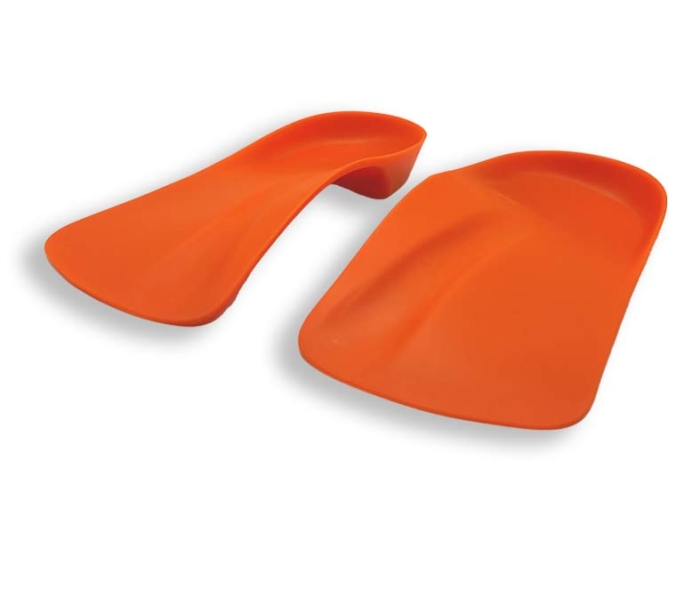
Interpod Flex 6° Foot Orthotics with Heel Cup
This rigid foot orthotic is made for maximum control.
It has a deep heel cup that gives stability and helps reduce pain from different foot conditions.
Please Note: This product is no longer sold with a 3/4 length top cover.
Sold: Sold per Pair
Incl. VAT Exl. VAT
Product Description
Maximum Control Orthotics with Stabilising Heel Cup
A strong, thin, heat-mouldable orthotic device designed for maximum control, helping to stabilise foot motion and support alignment in challenging biomechanical presentations.
Best for: People who need firm control for pronation or overpronation patterns, sports loading, heavier bodyweight demands, flat feet, high arches, plantar fasciitis-style symptoms or when a more rigid device is preferred for stability and posture support.
Not ideal for: Users who prefer very soft cushioning-only insoles, very shallow footwear with no removable liner, or anyone with unexplained severe pain, numbness, or a rapidly changing foot shape (professional assessment recommended).
- Rigid polypropylene shell for durable control
- 6° rearfoot wedge and supportive heel cup for alignment
- Heat mouldable for professional customisation
What is it?
The Interpod Flex 6° Foot Orthotic is a prefabricated, biomechanical foot orthotic made from durable polypropylene. It is designed to provide a higher level of control than soft comfort insoles, making it suitable for situations where stability and alignment are the priority.
The built-in rearfoot wedge and heel cup work together to support rearfoot positioning and reduce excessive pronation moments around the subtalar joint.
While it is a ready-made device, the Interpod Flex is heat mouldable and can be shaped by orthotics professionals to better match individual foot contours.
This makes it a practical option for clinics, sports settings, and informed users looking for a strong device that can be adapted rather than starting from scratch with a fully custom orthosis.
Who is it for?
This orthotic is intended for people who want a structured device that prioritises control. It can be used by individuals who have been advised to use a more rigid orthotic, as well as by clinicians and podiatrists who want a reliable shell that can be modified with additions if needed.
It may be particularly suitable for:
- Overpronation and pronation control needs: where motion management and alignment support are key goals.
- Flat feet: where a firmer structure can help create a more stable base during standing and gait.
- High arches (pes cavus): where improved pressure distribution and rearfoot control may support comfort.
- Plantar fasciitis-style arch discomfort: where a plantar fascial groove may help reduce irritation under the arch.
- Sports and high-load use: where repeated forces can overwhelm softer inserts.
- Heavier users: where a more rigid device may retain its shape and control better over time.
What does it help with?
Interpod Flex is designed to provide stability and alignment support across common biomechanical patterns. It is not a medical treatment on its own, but it may help reduce symptoms that are influenced by foot loading and mechanics by offering a stable foundation within the shoe.
Condition-to-practical benefit examples
- Overpronation: rearfoot wedging and a supportive shell help reduce excessive inward rolling forces.
- Flat feet: structured support can improve stability and reduce fatigue when standing or walking.
- Supination patterns: the stable platform can help guide more even loading through the foot for some users.
- High arches (pes cavus): a contoured shell can help redistribute pressure away from concentrated areas.
- Plantar fasciitis-style symptoms: plantar fascial groove may reduce rubbing or irritation under the arch during gait.
- General postural balance goals: improving the base of support in the foot may help some people feel more aligned up the kinetic chain.
How does it work?
This orthotic focuses on controlling rearfoot motion and supporting midfoot alignment. The rigid polypropylene shell provides the main structure, resisting deformation under load. The rearfoot wedge (6°) is designed to address pronation moments around the subtalar joint, supporting a more controlled rearfoot position during stance.
The heel cup helps cradle the heel for stability and can assist with consistent positioning within the shoe. A plantar fascial groove is included to help reduce arch irritation for users sensitive through the plantar fascia region. A cuboid notch supports the cuboid area, which may be relevant for lateral column comfort and stability in some foot types.
The device is also described as shank independent, allowing for independent movement of the shank, and it uses a flexible shell approach within a control-focused design to help balance comfort with motion management and shock attenuation.
Expected comfort and use timeline
First use: Because this is a firmer device, many users notice the support immediately. A supportive, 'guided' feel is normal. It should not feel sharply painful. If you are new to rigid orthoses - start with shorter sessions.
Short-term use (days): As the feet and lower limbs adapt, you may feel changes in how pressure is distributed. Some mild muscle awareness in the arch, calves, or hips can occur as mechanics change.
Ongoing use (weeks): With consistent use in appropriate footwear, many users find they feel more stable and comfortable during longer walking, standing, or sport. If pain persists, worsens, or becomes sharp, professional review is recommended to check fit, shoe compatibility, and whether adjustments are needed.
Problem and solution overview
| Common problem | How the product helps |
|---|---|
| Foot rolls inwards (overpronation) causing fatigue or discomfort | 6° rearfoot wedge and rigid shell support a more controlled rearfoot position |
| Flat feet leading to poor stability during long days | Structured support creates a firmer base for standing and walking |
| Arch irritation during walking | Plantar fascial groove is designed to reduce rubbing and pressure under the arch |
| High-load sport or heavier bodyweight compresses soft insoles quickly | Durable polypropylene retains shape and control over time |
| Need an orthotic that can be tailored without full custom fabrication | Heat mouldable shell allows professional customisation and additions |
Key benefits
- Rigid control-focused design for maximum stability where required
- Durable polypropylene shell designed for long-term use
- Rearfoot wedging supports pronation management and alignment goals
- Heel cup helps stabilise heel positioning inside footwear
- Plantar fascial groove may reduce arch irritation during gait
- Thin, lightweight profile for use in many shoe types (where depth allows)
Fit and comfort check
This is a firmer orthotic, so comfort depends heavily on correct fit and suitable footwear. Aim for snug, not painful. You should feel supported through the heel and arch without sharp pressure points.
- Choose shoes with a removable liner and enough depth to accommodate a rigid shell.
- If you feel heel lift, check lacing and heel counter stability, or try a different shoe style.
- If you feel pinpoint pressure under the arch or outer midfoot, stop and seek adjustment advice (especially if heat moulding is planned).
Common mistakes to avoid
- Wearing all day immediately: build up gradually, especially if moving from soft insoles to a rigid device.
- Using in shallow or tight shoes: lack of space can cause discomfort and reduce effectiveness.
- Ignoring fit issues: rubbing, numbness, tingling, or sharp pain suggests the device or shoe fit needs review.
- Assuming “more rigid is always better”: the right level of control depends on your foot type, activity, and comfort.
How to use
- Select suitable footwear: ideally a stable shoe with a removable insole and adequate depth.
- Remove the existing insole: this helps prevent the shoe feeling overly tight.
- Insert the orthotic: seat it fully back so the heel cup sits correctly in the shoe.
- Start gradually: wear for 1–2 hours on day one, then increase daily as tolerated.
- Monitor comfort: a supported feel is expected; sharp pain is not.
- Consider professional adjustment: if heat moulding or additions are needed, this should be done by orthotics professionals.
- Re-check after activity changes: new sports loads or different shoes may require re-evaluation of fit.
Technical specifications
| Product type | Prefabricated biomechanical foot orthotic (rigid control device) |
|---|---|
| Rearfoot posting | 6° rearfoot wedge |
| Construction | Uncovered polypropylene shell |
| Shell design | Control-focused with flexible shell characteristics for shock attenuation |
| Heel feature | Integrated heel cup |
| Additional features | Cuboid notch; plantar fascial groove; shank independent design |
| Thickness / profile | Thin and light (exact thickness varies by size/option) |
| Top cover | No longer sold with a 3/4 length top cover |
| Left/right | Pair (left and right) |
| Care and cleaning | Wipe clean with a damp cloth - air dry away from direct heat; avoid prolonged soaking |
| Pack contents | 1 pair of Interpod Flex 6° foot orthotics with heel cup |
Frequently asked questions
Is this orthotic suitable for plantar fasciitis?
It is commonly used where plantar fasciitis-style arch and/or heel discomfort is influenced by mechanics. The structured arch profile and plantar fascial groove are designed to support the arch and reduce irritation. If your pain is severe or persistent, professional assessment is recommended.
How rigid is the Interpod Flex compared to soft arch supports?
This is a control-focused device made from polypropylene. It is generally firmer than cushioned comfort insoles and is intended for situations where maximum stability and alignment support are required.
Can it be customised?
Yes. The shell is heat mouldable and can be shaped by orthotics professionals to better match foot contours. Polypropylene is also commonly adjusted by grinding when clinical modification is required.
Will it fit in all shoes?
It is thin and light, but fit still depends on footwear depth and shape. It is usually most comfortable in shoes with removable liners and a stable heel counter. Very shallow or tight shoes may feel too restrictive.
Do I need time to adapt to it?
Most people benefit from a gradual break-in period, especially if moving from soft inserts to a firmer orthotic. Start with short wear periods and increase as comfort allows.
Is it suitable for sports?
It can be a good option for sports and higher-load activity where stability is important. Ensure footwear is appropriate, and monitor comfort during changes in training load.
What does “shank independent” mean in practical terms?
It describes a design approach intended to allow independent movement through the shoe’s shank area, supporting a more natural transition while still providing structured control through the orthotic shell.
Complementary product suggestions
This orthotic can be paired with stable footwear, heel lifts (where clinically appropriate), anti-friction socks, blister prevention products, and calf/plantar stretching aids to support comfort. In clinic settings, additions such as metatarsal pads or top-cover adjustments may be used by professionals depending on individual needs.
Content credibility
Written by: Algeos Product & Clinical Content Team
Last reviewed: January 2026
Purpose: This content is intended to support informed purchasing decisions and safe product use. It does not provide diagnosis or replace personalised advice from a qualified healthcare professional.
Frequently bought together
Sold: Sold per Pair
Incl. VAT Exl. VAT
Sold: Sold per Pair
Incl. VAT Exl. VAT
Sold: Pair
Incl. VAT Exl. VAT
Sold: Sold per Pair
Incl. VAT Exl. VAT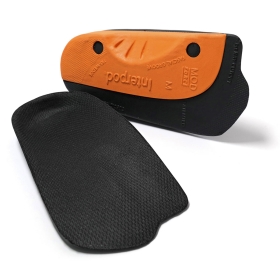
Sold: Sold per Pair
Incl. VAT Exl. VAT

Sold: Sold per Pair
Incl. VAT Exl. VAT