




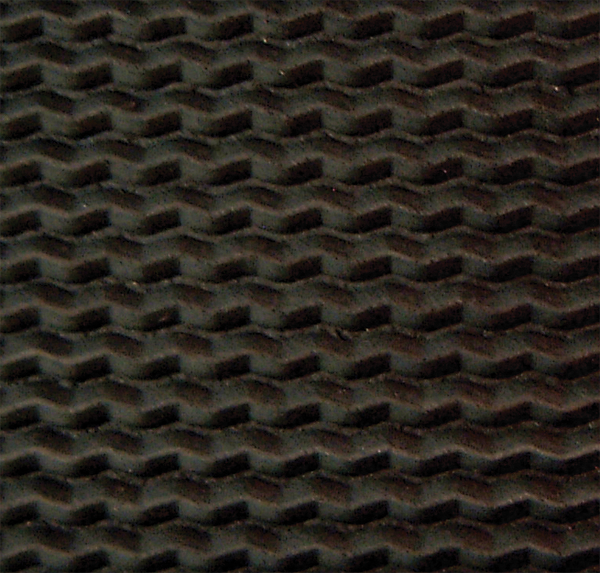
Flex Rib Ribbed Rubber Shoe Soling Sheet for Repairs & Manufacture
Ribbed surface design supports traction.
Flexible structure supports natural gait movement.
Durable rubber formulation suitable for daily wear.
Large sheet format allows custom shaping.
Compatible with common footwear adhesives.
Sold: 840 x 700mm Sheet
Incl. VAT Exl. VAT
Product Description
Ribbed Rubber Shoe Soling Sheet
Flex Rib is a durable ribbed rubber soling sheet designed for footwear repair, orthopaedic shoe modification and custom footwear construction where flexible traction and long-lasting outsole protection are required.
- Best for footwear repair workshops, orthotic labs, and custom shoe fabrication
- Not ideal for ultra-thin dress shoe soling or applications requiring rigid materials
- Designed for flexible traction and reliable bonding in footwear environments
What is it?
Flex Rib is a sheet material made from durable rubber designed specifically for use as an outsole or protective soling layer on footwear. The material is supplied in large sheets that can be cut to shape and bonded onto the underside of shoes using standard footwear adhesives.
The surface of the sheet features a ribbed or grooved pattern. This design improves traction while also allowing the sole to flex naturally during walking. The rib structure helps footwear bend through the gait cycle rather than resisting movement, which can be important in both everyday footwear and specialist orthopaedic shoe designs.
Because the material is supplied in sheet form, technicians can cut and shape it to match the exact size and contour of the shoe. This makes it suitable for repairs, modifications, and bespoke footwear manufacturing where standard replacement soles may not be appropriate.
Flex Rib rubber soling sheets are commonly used in cobbler shops, orthotic fabrication workshops, hospital footwear departments, and specialist shoe manufacturing environments. The material provides a balance between durability, flexibility, and workability.
Who is it for?
Flex Rib is primarily designed for professionals who modify, repair, or build footwear. It is commonly used in environments where reliable soling materials are required for consistent workshop processes.
Typical users include footwear repair specialists, orthotic technicians, and clinicians involved in orthopaedic footwear modification. It is also suitable for footwear designers, bespoke shoe makers, and training institutions teaching footwear construction techniques.
Because the material can be cut, ground, and bonded using common footwear tools, it integrates easily into existing workshop workflows.
What is it used for?
The material is used whenever a durable rubber outsole or protective base layer needs to be created or replaced. Its sheet format allows technicians to adapt it to different shoe shapes, sizes, and modification requirements.
- Replacing worn or damaged shoe outsoles
- Adding protective soling layers during footwear repairs
- Constructing soles for custom or handmade footwear
- Creating flexible base layers for orthopaedic shoe modifications
- Improving traction on footwear used in everyday environments
- Providing a durable rubber base on adapted footwear
- Supporting shoe modification work in podiatry clinics and orthotic labs
Characteristics
The material is designed to combine durability with flexibility. Rubber soling materials must withstand repeated loading while still allowing the shoe to move naturally during walking.
- Ribbed surface design supports traction
- Flexible structure supports natural gait movement
- Durable rubber formulation suitable for daily wear
- Large sheet format allows custom shaping
- Compatible with common footwear adhesives
- Suitable for grinding and finishing during shoe fabrication
Typical Users
- Orthotists and prosthetists working with modified footwear
- Orthotic technicians and fabrication labs
- NHS and hospital orthopaedic workshops
- Podiatry clinics performing footwear adaptations
- Shoe repair professionals and cobblers
- Bespoke footwear makers
- Footwear design and development teams
- Universities and technical training institutions
How to work with it
Flex Rib rubber sheets are intended for use in footwear workshops where standard cutting, grinding, and bonding tools are available. The material can be shaped to suit the sole profile of the shoe before being bonded securely in place.
Once bonded, the material can be trimmed and finished to integrate smoothly with the shoe structure. This allows the outsole to match the original shoe profile or support the desired modification.
Expected use
First use
Once the soling material has been cut, bonded, and finished onto the footwear, it immediately begins functioning as the outsole layer. The ribbed rubber pattern provides traction and flexibility during normal walking activities.
Ongoing use
Over time the rubber surface will gradually wear depending on walking surfaces, body weight, gait pattern, and environmental conditions. In workshop environments the material is generally selected because it offers a balance between durability and flexibility suitable for regular daily wear.
Periodic inspection of repaired or modified footwear is recommended, particularly in orthopaedic footwear where structural integrity is important for function and safety.
Problem → Solution
| Common problem | How the product helps |
|---|---|
| Worn out shoe soles | Provides a replacement rubber outsole that can be cut and bonded to restore footwear function. |
| Footwear lacks traction | The ribbed surface pattern improves grip on everyday walking surfaces. |
| Orthopaedic footwear needs a flexible base layer | The rubber construction supports natural bending during walking while maintaining durability. |
| Custom footwear requires adaptable soling materials | The sheet format allows technicians to cut and shape soles for bespoke shoe designs. |
| Shoes require protective bottom layers | Acts as a protective rubber barrier between the shoe and ground surfaces. |
Soling Key benefits
- Ribbed surface pattern supports traction during walking
- Flexible rubber allows natural foot movement through the gait cycle
- Large sheet format enables precise custom cutting for repairs or bespoke builds
- Durable construction suitable for footwear exposed to regular daily wear
- Compatible with common workshop adhesives and finishing processes
- Suitable for both footwear repair and orthopaedic modification environments
Common mistakes to avoid
- Using inappropriate adhesives that are not designed for rubber footwear soling materials
- Applying the material without adequate surface preparation of the shoe base
- Expecting the material to compensate for structural problems in the shoe itself
- Using incorrect thickness for the intended footwear modification
How to work with Flex Rib Soling Material
- Inspect the footwear and determine the required soling area or modification.
- Measure and mark the required shape on the Flex Rib sheet.
- Cut the material carefully using appropriate workshop tools.
- Prepare both bonding surfaces by cleaning and roughening if required.
- Apply suitable footwear adhesive according to manufacturer instructions.
- Position the rubber sheet onto the shoe base and apply even pressure.
- Allow the adhesive to cure fully before trimming and finishing.
- Grind or shape edges as needed to match the footwear profile.
Technical specifications
| Specification | Details |
|---|---|
| Product type | Rubber soling sheet |
| Material | Rubber |
| Surface design | Ribbed / grooved pattern |
| Sheet size | Approximately 840 × 700 mm |
| Thickness options | 5 mm and 6.5 mm |
| Application | Footwear soling, repairs, and orthopaedic modifications |
| Workability | Can be cut, ground, and bonded using standard footwear workshop tools |
| Compatibility | Suitable for use with common footwear adhesives |
| Pack contents | Single rubber sheet (size varies by option) |
Frequently asked questions
Can this material be used for full shoe sole replacement?
Yes. The sheet format allows technicians to cut the material to match the full outsole shape of a shoe. It is commonly used in footwear repairs where the original outsole has worn down.
Is the ribbed surface important?
The ribbed pattern is designed to provide traction and flexibility. The grooves allow the sole to bend more easily during walking while also improving grip on common walking surfaces.
Which thickness should I choose?
The appropriate thickness depends on the footwear type and intended modification. Thicker options may provide additional durability, while thinner options may be preferred where flexibility and minimal height increase are required.
Can it be used for orthopaedic footwear modifications?
Yes. The material is frequently used in orthotic workshops where modified footwear requires a durable and flexible outsole layer.
Is the material easy to cut?
The rubber sheet can typically be cut and shaped using standard footwear workshop tools. Grinding and finishing processes can also be used to refine the final sole profile.
Does it require specialist adhesives?
It should be bonded using adhesives suitable for footwear repair and rubber soling materials. Following adhesive manufacturer guidance is recommended.
Complementary products
Flex Rib soling sheets are often used alongside other footwear repair and modification materials. Workshops may combine them with compatible adhesives, grinding and finishing tools, midsole materials, or protective top lifts depending on the footwear design.
In orthotic environments the material may also be used in conjunction with custom orthotic insoles, shoe modification wedges, and other soling components to achieve the desired functional outcome.
Written by: Algeos Product & Clinical Content Team
Last reviewed: March 2026
This content is provided for product guidance and purchasing support. It is not intended to replace professional clinical judgement, diagnosis, or medical advice.
Frequently bought together
Sold: Each (sheet)
Incl. VAT Exl. VAT
Sold: 1320 x 830mm Sheet
Incl. VAT Exl. VAT
Sold: Sold per Sheet
Incl. VAT Exl. VAT
Sold: Sold per Sheet
Incl. VAT Exl. VAT
Sold: Sheet
Incl. VAT Exl. VAT
Sold: Sheet
Incl. VAT Exl. VAT
Sold: Sold per Sheet
Incl. VAT Exl. VAT
Sold: Sold per Sheet
Incl. VAT Exl. VAT
Sold: Sold per Sheet
Incl. VAT Exl. VAT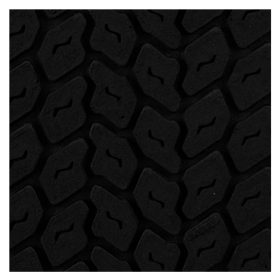
Sold: Sheet
Incl. VAT Exl. VAT
Sold: Sold per Sheet
Incl. VAT Exl. VAT
Sold: 840 x 700mm Sheet
Incl. VAT Exl. VAT