




Dry skin on the hands is a common issue that many of us face, especially during colder months or after frequent handwashing. It can lead to discomfort, itchiness and even painful cracks. These symptoms can disrupt daily activities and affect your overall well-being.
Fortunately, there are several effective strategies and remedies to prevent dry skin and keep your hands soft and healthy. By adopting a consistent care routine, you can protect your hands from the harsh elements that contribute to dryness.
In this article, we'll explore some practical methods and tips that you can easily incorporate into your daily routine.
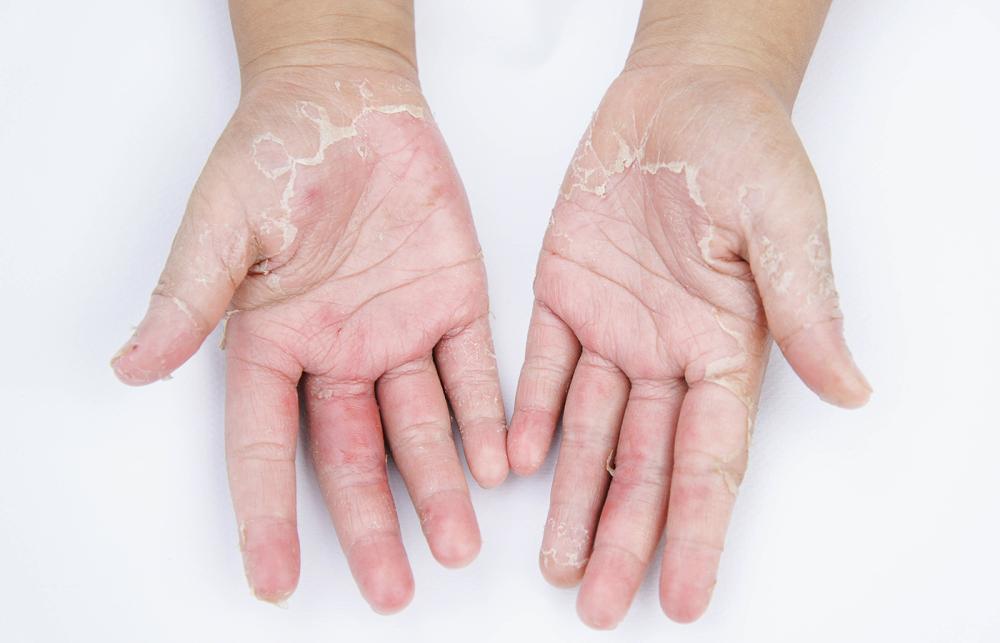
Understanding the Causes of Dry Skin
Before diving into solutions, it's essential to understand what causes dry skin. The skin on our hands is exposed to various elements that can strip away natural oils, leading to dryness.
These elements can weaken the skin's natural barrier, making it more susceptible to environmental damage. Some of the primary contributors to dry skin include:
-
Frequent Handwashing: While washing your hands is crucial for hygiene, overdoing it can wash away the skin's natural oils. This is especially common in professions where handwashing is frequent, such as healthcare and food service.
-
Harsh Soaps and Chemicals: Many soaps and cleaning products contain harsh chemicals that can irritate and dry out the skin. Ingredients like sulfates and alcohol can be particularly drying.
-
Weather Conditions: Cold, dry air can sap moisture from the skin, making it dry and flaky. Wind and low humidity levels further exacerbate this issue, leading to chapped skin.
-
Underlying Skin Conditions: Conditions like eczema and psoriasis can also contribute to dry skin. These conditions cause inflammation and can severely impair the skin's ability to retain moisture.
Simple Tips to Prevent Dry Skin
Taking proactive steps can significantly reduce the chances of developing dry skin on your hands. Establishing a consistent skincare routine is key to maintaining healthy skin. Here are some simple yet effective tips:
1. Choose the Right Soap
Opt for mild, fragrance-free soaps that are less likely to irritate or dry out your skin. Look for soaps labeled as "moisturizing" or "for sensitive skin." These soaps typically contain added emollients to help maintain skin moisture. Avoid antibacterial soaps, as they can be harsher on the skin, potentially causing more dryness and irritation.
2. Moisturise Regularly
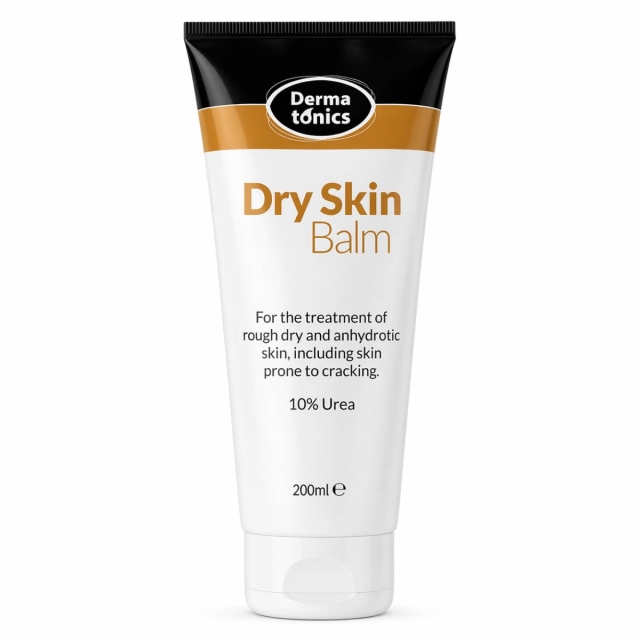
Applying moisturiser is one of the most effective ways to prevent and treat dry skin. Choose a good quality hand cream or lotion and apply it immediately after washing your hands.
This helps to lock in moisture and replenish any oils lost during washing. For best results, apply a thicker layer of moisturiser before bed, allowing it to work overnight while your skin regenerates.
Recommended Ingredients in Moisturisers
-
Glycerin: Attracts moisture to the skin, helping it stay hydrated throughout the day.
-
Shea Butter: Provides deep hydration, creating a protective barrier on the skin's surface.
-
Ceramides: Help restore the skin barrier, improving its ability to retain moisture.
-
Hyaluronic Acid: Retains moisture, providing a plumping effect that reduces the appearance of fine lines and dryness.
3. Use Gloves for Protection
Wearing gloves can provide a protective barrier against harsh elements and chemicals. Gloves can also prevent direct contact with water and detergents that dry out the skin. Consider the following:
Gloves for Moisturizing
-
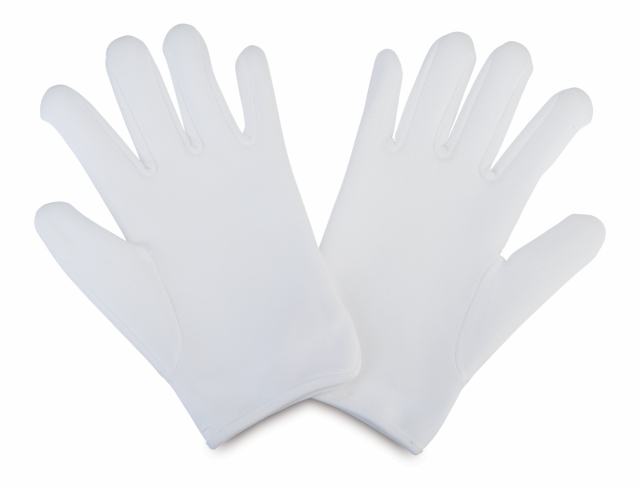
Cotton Gloves: After applying a thick layer of moisturizer, wear cotton gloves overnight to help the moisturizer penetrate deeply. This method enhances the skin's absorption of moisture.
-
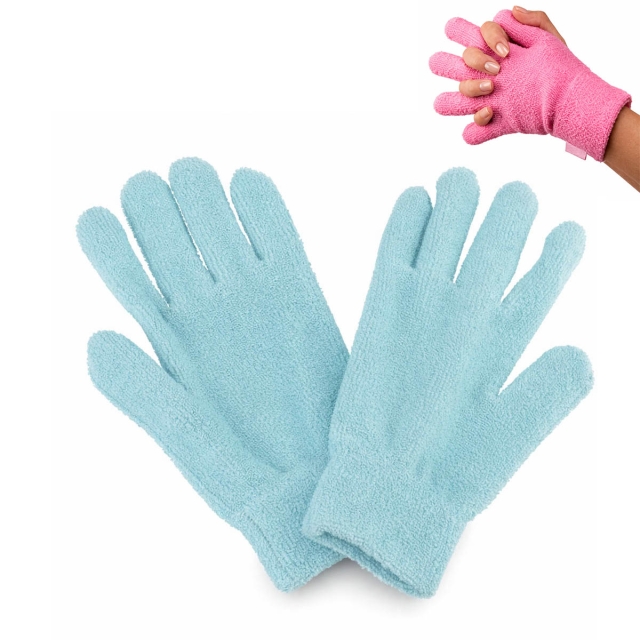
Specialized Moisturizing Gloves: These gloves are designed to hydrate your hands while you sleep. They often contain lining materials that help retain heat, improving moisturizer absorption.
Protective Gloves
-
Rubber Gloves: Use them while cleaning or washing dishes to protect your hands from harsh chemicals and water exposure. These gloves provide an essential barrier between your skin and irritating substances.
-
Warm Gloves: In cold weather, wear warm gloves to protect your hands from the drying effects of the cold air. Choose gloves with a soft lining to prevent friction and additional dryness.
4. Stay Hydrated
Hydration starts from within, so make sure you're drinking plenty of water throughout the day. Staying well-hydrated helps maintain the skin's moisture levels, ensuring your skin remains supple. In addition to drinking water, consuming water-rich foods such as fruits and vegetables can also contribute to overall hydration.
5. Avoid Hot Water
Hot water can strip away natural oils from your skin. Use lukewarm water instead when washing your hands or taking a shower. Lukewarm water cleanses effectively without causing the same level of moisture loss as hot water. After washing, pat your hands dry with a soft towel to prevent irritation.
Home Remedies for Dry Skin
If you're looking for natural remedies, several ingredients found in your kitchen can help soothe and hydrate dry skin. These remedies are simple to use and can be incorporated into your daily routine.
1. Olive Oil
Olive oil is rich in antioxidants and healthy fatty acids that can nourish and hydrate the skin. Gently massage a small amount onto your hands and leave it on for about 10 minutes before rinsing. For added benefit, combine olive oil with sugar to create a natural exfoliating scrub.
2. Honey
Honey is a natural humectant, meaning it attracts and retains moisture. Apply a thin layer of honey to your hands and let it sit for 15-20 minutes before washing off with warm water. Honey also has antibacterial properties that can help prevent infections in cracked skin.
3. Aloe Vera
Aloe vera is known for its soothing and hydrating properties. Apply pure aloe vera gel to your hands, and let it absorb into the skin for a natural moisturizer. The gel can be harvested directly from an aloe plant or purchased as a pre-packaged product for convenience.
4. Coconut Oil
Coconut oil is an excellent natural moisturizer. Apply a small amount to your hands before bed and cover with cotton gloves for overnight hydration. Coconut oil can also be used as a base for homemade hand creams, mixed with essential oils for added benefits.
When to See a Doctor
While most cases of dry skin can be managed at home, there are times when you should consult a healthcare professional. Persistent or severe dry skin can indicate an underlying condition that requires medical attention.
-
Persistent Dryness: If your skin remains dry despite using moisturizers and following preventive measures.
-
Cracked Skin: If you experience painful cracks or bleeding that do not heal with home treatment.
-
Underlying Conditions: If you suspect a skin condition like eczema or psoriasis, which may require specialized treatment.
A dermatologist can provide you with a tailored treatment plan and recommend prescription treatments if necessary. They can also help identify any allergies or irritants contributing to your dry skin.
Conclusion
Dry skin on the hands can be uncomfortable, but with the right care and preventive measures, you can keep your hands soft and healthy. Consistency is key in maintaining skin health, so incorporate these tips into your daily routine. Remember to moisturize regularly, protect your hands with gloves, and use gentle soaps. Incorporating these practices into your routine will help you prevent dry skin and maintain the health of your hands. By understanding the causes and remedies, you'll be well-equipped to tackle dryness whenever it arises. Taking these steps will not only improve the appearance of your hands but also enhance your overall comfort and well-being.
Sold: pair
Incl. VAT Exl. VAT