




This guide outlines common product options used to help manage bunion discomfort and pressure, and explains how they may support day-to-day comfort.
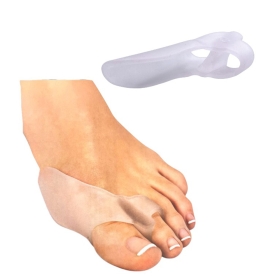
Bunion Guard with Buddy Spacer - One Size Fits AllÂŁ8.10 ÂŁ6.75
To help manage bunions without surgery, many patients can benefit from a bunion corrector or protector.
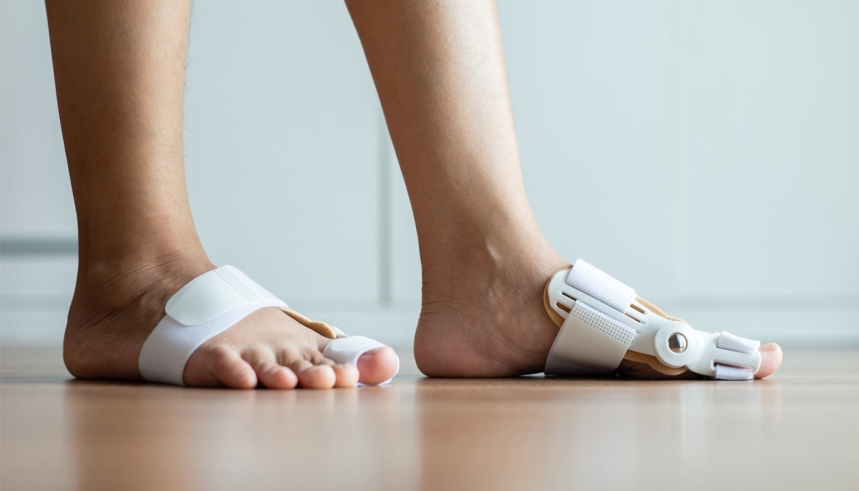
Correctors (big toe splints) are great for gently realigning the toe and easing pressure on the joint, especially when you’re resting.
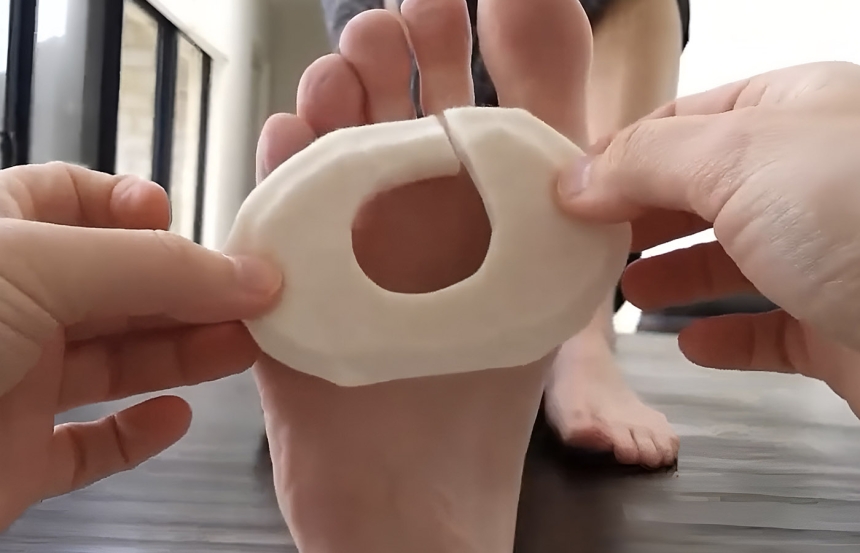
Slightly different, bunion protectors such as pads or cushions add a layer of cushioning to protect the toe joint from rubbing against your shoes. This can really help with the discomfort.
While these devices won’t make the bunion disappear - they can definitely make life more comfortable and help prevent the bunion from getting worse.

This page serves a mixed search intent: people want to understand what bunion correctors do, compare different non-surgical options, and find practical products that reduce pressure around the big toe joint. For many shoppers and clinics, the goal is not to “cure” a bunion with a single device, but to improve comfort, reduce rubbing in footwear, and support toe position more sensibly day to day.
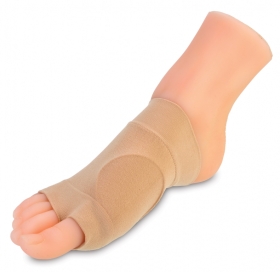
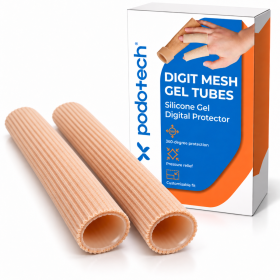
At Algeos, the bunion range includes soft protectors, toe spacers, gel sleeves and more structured splints for rest or night use. These can sit alongside broader footcare pathways such as orthotic insoles, hallux valgus splints, and cushioning products from the wider silicone gel toe care range.
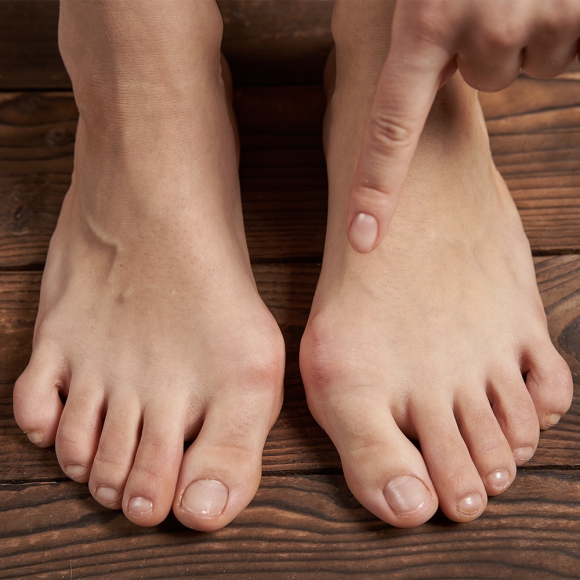
Bunion correctors are removable supports designed to help manage symptoms linked to hallux valgus. Depending on the style, they may gently separate the big toe, reduce friction over the bunion prominence, cushion the joint against footwear, or provide a more structured splinting effect when worn at rest or overnight.
That makes this category useful for both self-selection and clinician-led buying. Some people simply need a soft barrier between the bunion and the shoe. Others want a toe spacer or splint that encourages a better toe position while resting. In practice, bunion care often works best as a combination of protection, footwear changes and pressure management rather than one product alone.
For wider condition-led browsing, see the full bunion correctors, protectors and pads section, the more focused bunion correctors subcategory, and the related guide to what bunions are.
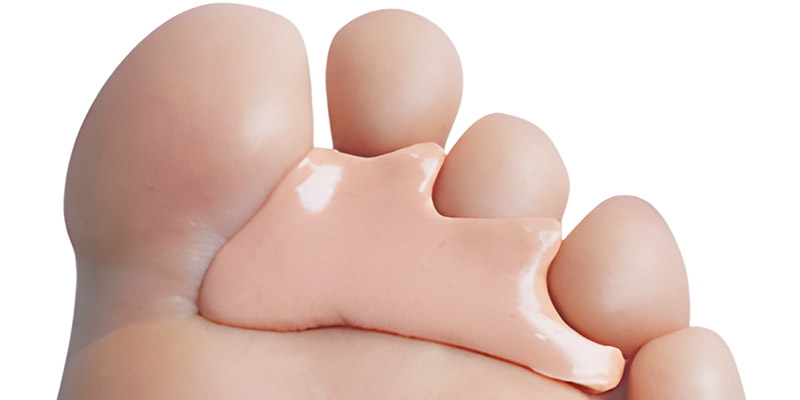
These are mainly about cushioning. They sit over or around the bunion area to reduce friction from shoes and provide a softer interface over the joint. They are often a good first step for people whose main problem is rubbing or pressure. Browse gel bunion pads and products such as the Silipos Gel Bunion Pad.
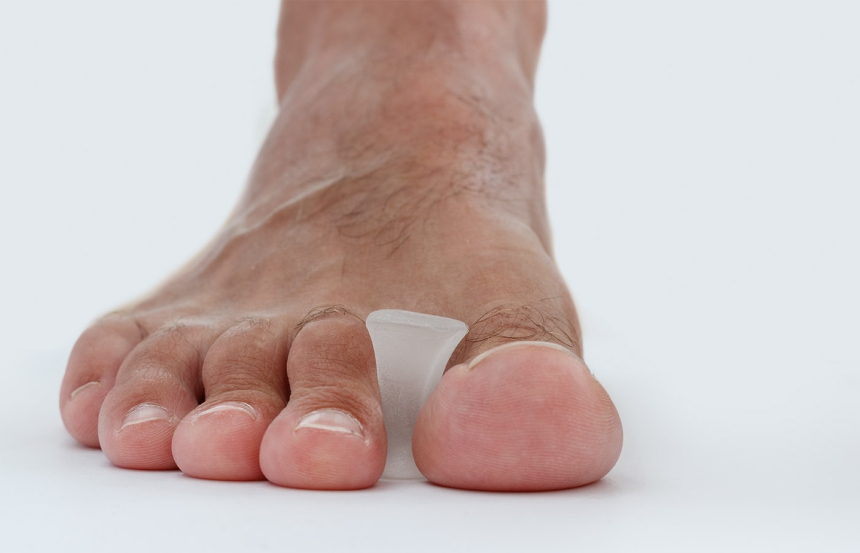
These are designed to create space between the big toe and second toe. They may help reduce toe crowding and can be useful where overlapping or drifting toes increase discomfort. See Silipos Active Gel Toe Spacers, No-Slip Gel Toe Spacer and No-Slip Buddy Spacer.
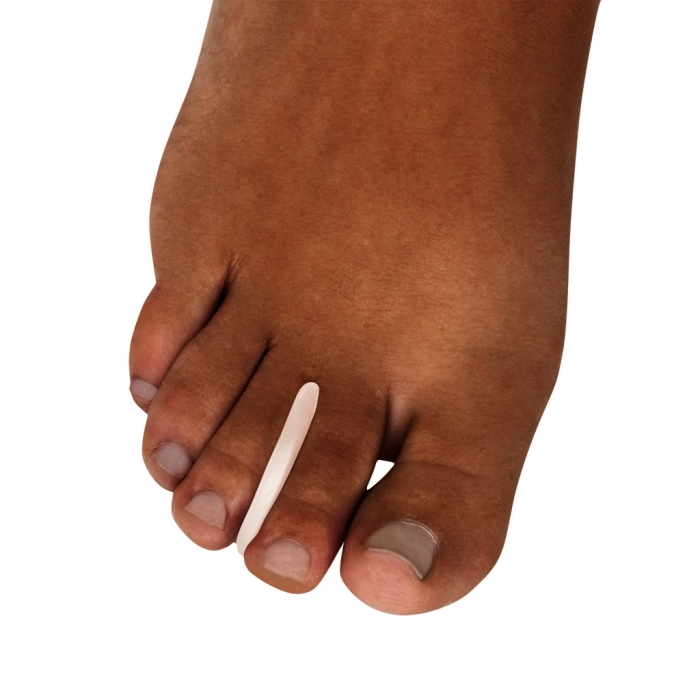
These combine protection over the bunion with some degree of toe separation. They can suit people who want pressure relief and a gentle alignment effect in one product. A good example is the Bunion Guard with Spacer.
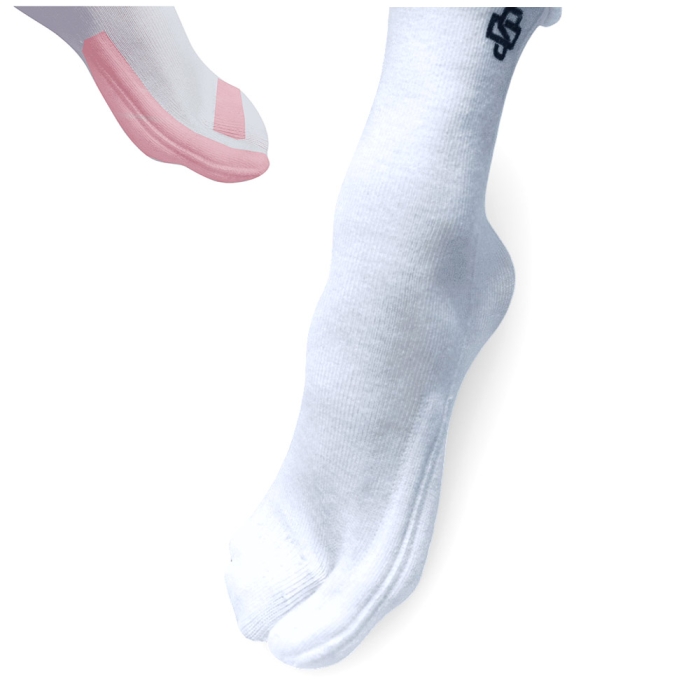
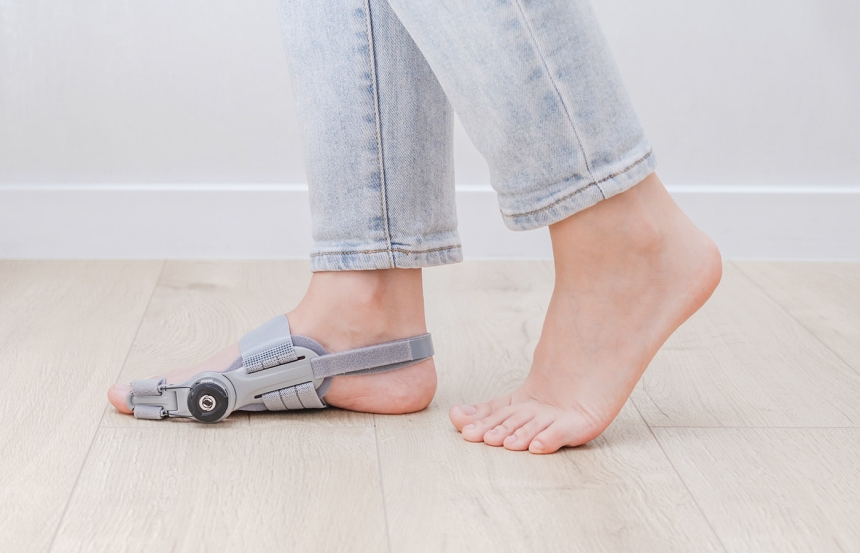
These provide a firmer, more controlled realignment effect, usually for rest or overnight wear rather than active daytime use. Explore options such as the Deramed Hallux Valgus Nighttime Bunion Corrector, Hallufix Hallux Valgus Bunion Corrector Splint and Bunion Buster Bunion Corrector Sock.
| Concern or use case | How the product type may help | Useful route at Algeos |
|---|---|---|
| Rubbing over the bunion in shoes | Soft gel protectors and pads can cushion the bunion prominence and reduce friction from tighter uppers. | Gel bunion pads and silicone gel toe care |
| Toe crowding or overlap | Toe spacers may create a little separation between the toes and reduce pressure where they rub together. | Toe separators and toe spreaders |
| Mild to moderate hallux valgus needing rest support | Night splints and structured correctors may hold the toe in a more supported position during rest. | Hallux valgus splints |
| Forefoot pressure alongside bunion discomfort | Some users benefit from combining bunion protection with metatarsal cushioning or footwear changes. | Metatarsal gel pads and metatarsal pads |
| Longer-term foot function support | Bunion care sometimes sits alongside insoles that help overall foot loading, especially when comfort in walking is the main goal. | Orthotic insoles |
| Need for broader patient education | Guide content can help users understand what bunions are, what products can realistically do, and when professional review matters. | Living with bunions and podiatry bunion treatment |
If the main issue is shoe rubbing, start with a pad or protector. If your toes feel crowded, a spacer may be more useful. If you want a firmer support option while resting, compare structured splints within the hallux valgus splints range.
Some products are better suited to the day, especially low-profile gel protectors and sleeves. Others are designed mainly for night use or time spent resting. Product choice should match your routine, not just the diagnosis.
Bulky correctors may not fit inside narrow shoes. When everyday wear matters, low-profile products such as the Silipos Gel Bunion Pad or Bunion Guard with Spacer may be easier to use consistently.
Bunion discomfort can be affected by footwear, forefoot pressure, toe crowding and overall foot mechanics. In some cases, adding orthotic insoles or metatarsal cushioning makes the routine more practical.
Ongoing swelling, severe deformity, shoe intolerance, skin breakdown or rapidly worsening pain usually needs a more detailed assessment. For broader product pathways and aftercare information, visit product support or use the condition-led education pages to narrow your options.
Bunion correctors are best viewed as conservative support tools. They may improve comfort, reduce rubbing, provide cushioning and offer gentle toe position support, particularly in mild to moderate cases. They are not a substitute for specialist assessment where symptoms are severe, but they can be a helpful and practical part of day-to-day bunion management.
Practical patient-focused guidance on managing bunions conservatively.
A useful starting point for shoppers who want a simple explanation before comparing products.
Broader clinical context for conservative care, offloading and treatment choices.
Helpful background on gel toe care products used for pressure relief and alignment support.

Useful for friction control and everyday cushioning where shoe contact is the main problem.

Helpful for people wanting simple toe spacing, reduced overlap and less rubbing.

Structured options for rest periods and more deliberate toe support.

Useful when bunion discomfort sits alongside wider foot fatigue or loading issues.
A straightforward option for reducing friction and pressure in footwear.
Useful when a shopper wants cushioning over the joint plus gentle toe separation.
Deramed Hallux Valgus Nighttime Bunion Corrector
A practical option for users wanting a more structured support routine while resting.
No. Conservative bunion products are mainly designed to improve comfort, reduce pressure, cushion the joint and provide some toe support. They are not intended to make the bony prominence disappear.
A bunion pad mainly cushions and protects the sore area from rubbing. A bunion corrector usually adds some toe positioning or splinting effect. Many people use both approaches at different times of day.
They can be. Toe spacers may help reduce toe crowding and discomfort where the big toe drifts towards the second toe. Explore toe separators and active gel toe spacers for simpler day-to-day options.
Some low-profile protectors and sleeves can fit inside roomy shoes, but structured splints are often better for rest or overnight use. Footwear depth and toe-box width matter a great deal.
Choose based on your routine and the type of support you need. Day products usually focus on cushioning and wearability, while night splints provide firmer support when you are not walking. The hallux valgus splints page is useful for comparing these routes.
Sometimes, yes. Insoles do not correct the bunion itself, but they may help with overall comfort and loading through the foot. That can be useful when bunion pain sits alongside broader foot fatigue or forefoot strain. See orthotic insoles.
Seek clinical advice when bunion pain is severe, worsening, associated with skin irritation or ulcer risk, or making shoe wear very difficult. Persistent symptoms deserve a more individual assessment.
Marc Cameron
Product and digital lead with extensive experience in health-related product development and orthotic therapy education. 25 years. Writing for educated consumers who want clear, evidence-informed guidance without the marketing fluff.
April 06, 2026
This guide outlines common product options used to help manage bunion discomfort and pressure, and explains how they may support day-to-day comfort.
March 18, 2026
Bunion pads help you feel comfortable during the day. The bunion corrector or splint is meant to be worn at night. It gives gentle pressure to help realign the big toe. Read our guide.
February 12, 2026
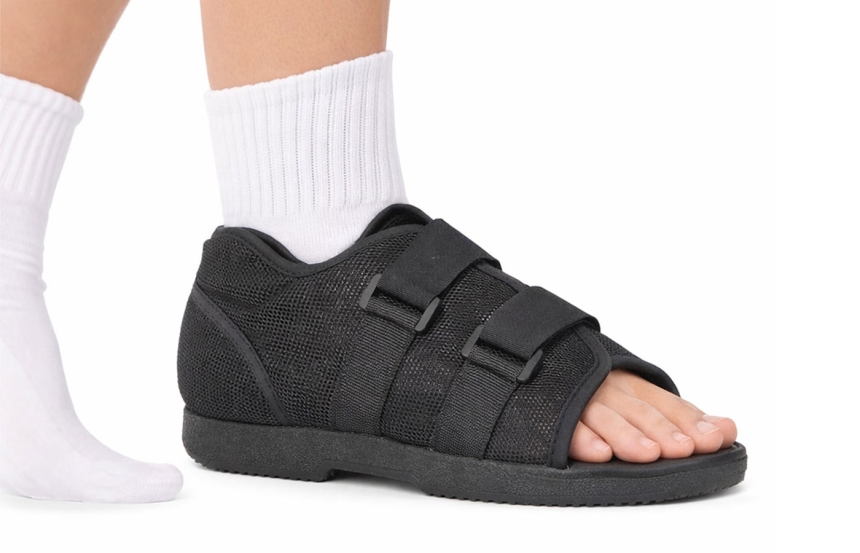
Offloading medical shoes are specialised footwear designed to alleviate pressure and reduce weight-bearing on injured or sensitive areas of the feet. These shoes are particularly beneficial for individuals recovering from foot injuries, undergoing surgery, or managing conditions such as toe fractures, patellofemoral pain syndrome, and post-operative recovery.
December 19, 2025
Silipos Gel products are designed to offer protection, comfort, and relief for various foot-related issues. These products, which include toe protectors, toe separators, gel caps, and toe straighteners, are made from high-quality, medical-grade gels that are soft, flexible, and durable. They are specifically crafted to alleviate discomfort caused by conditions such as blisters, corns, calluses, bunions, and hammertoes.Â
November 28, 2024
Foot health is a vital component of overall well-being. Our feet support mobility and balance, but many people suffer from discomfort due to deformities, pressure points, and poor biomechanics. Fortunately, customised silicone orthoses provide an effective solution to alleviate foot pain and correct alignment issues. These tailor-made devices, commonly used by podiatrists, offer a personalised approach to support and improve foot function.
October 23, 2024
Podiatry felt, also known as chiropody felt, is a versatile tool widely used in foot care to alleviate discomfort from conditions such as corns, calluses, blisters, and ulcers. Its primary function is to redistribute pressure away from sensitive areas, providing immediate relief and promoting healing.

Sold: Each
Incl. VAT Exl. VAT