




 Neo G Universal Ankle Brace£18.01 £15.01
SHOW PRICES WITH OR WITHOUT VAT? MANY BUSINESS CUSTOMERS PREFER TO VIEW PRICES EXCLUDING VAT.
0151 448 1228 (UK)

Condition-specific foot support
Arthritis insoles for cushioning, pressure relief and everyday comfort
People searching for arthritis insoles are usually trying to make walking, standing and daily footwear feel more manageable. This page is built to help with that next step: understanding what arthritis insoles do, which features matter most, and where to browse supportive options across Algeos.
Whether symptoms are linked to osteoarthritis, rheumatoid arthritis, sensitive forefeet or general joint stiffness, the aim is usually the same: reduce pressure on painful areas, improve in-shoe comfort and support more confident movement. Explore the full arthritis insoles range, or broaden your search across orthotic insoles.
What are arthritis insoles?
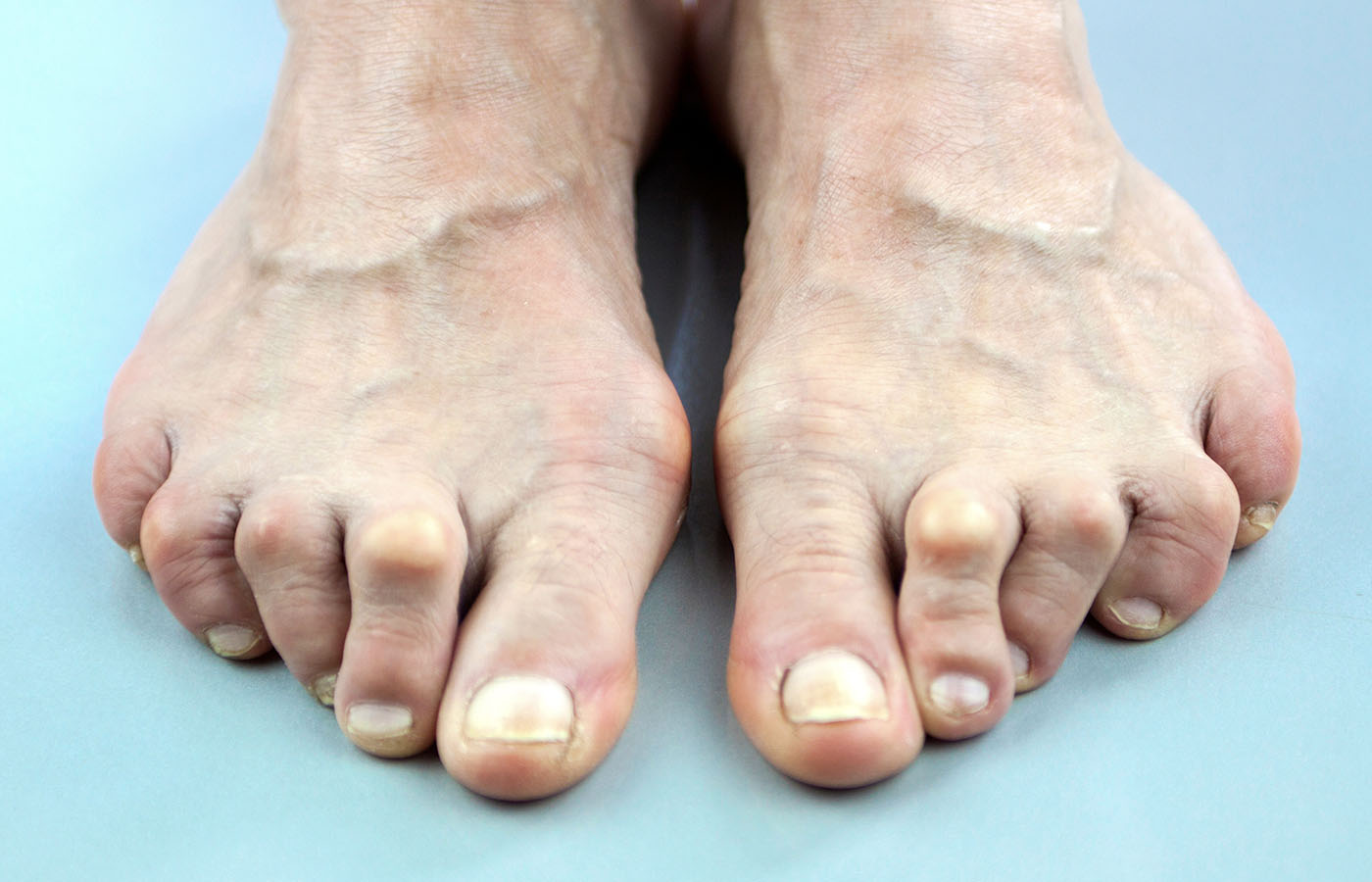
Arthritis insoles are shoe inserts chosen to make painful, stiff or sensitive feet feel more protected inside footwear. Depending on the design, they may offer soft cushioning, shock absorption, mild to firmer arch support, heel stability, pressure redistribution and extra comfort under vulnerable joints.
For some people, a softer option is the right starting point. Others need a more structured orthotic that supports foot alignment as well as comfort. At Algeos, this can include softer cushioning styles such as memory foam insoles and silicone gel insoles, or more supportive ranges such as Slimflex orthotic insoles and Interpod foot orthotics.
Quick summary: the right insole is rarely about softness alone. For arthritic feet, comfort often improves when cushioning, pressure relief, footwear fit and foot support are considered together.
Why people choose them
- To reduce pressure on sore joints, forefoot areas and heels
- To add cushioning for walking, standing and work footwear
- To improve how the foot sits inside the shoe
- To support sensitive feet that do not tolerate hard surfaces well
- To explore a practical option before moving into more customised support
- To combine comfort with related products such as diabetic socks, braces and supports or hot and cold therapy
Common features to look for
- Soft top layers for comfort against sensitive skin
- Shock-absorbing materials under heel and forefoot
- Pressure redistribution rather than concentrated loading
- A shape that suits your arch profile and footwear depth
- Low-profile or 3/4 length designs for tighter shoes where needed
- Options compatible with related needs such as bunions, heel pain or osteoarthritis
Who this page is for
This guide is suitable for people comparing support options, as well as clinicians and retailers looking for a clear overview of the main product routes.
It is especially useful when symptoms overlap with flat feet, high arches, plantar fasciitis or pressure-sensitive diabetic footcare.
For a wider condition overview, see the Algeos article on treating patients with rheumatoid arthritis.
Insoles types and related options
Soft cushioning insoles
Useful when comfort is the main priority. Explore memory foam insoles for a softer feel and a gentle in-shoe interface.
Gel and silicone styles
Often chosen for impact reduction and pressure relief. Browse silicone gel insoles and specific products such as Softzone shock absorbing silicone insoles.
Structured orthotic insoles
Better suited where support and alignment matter alongside cushioning. The Slimflex range and Interpod range are useful places to compare options.
Pressure-sensitive and diabetic-friendly routes
Where offloading and soft contact surfaces are important, look at diabetic insoles, Trisorb diabetic cushioning insoles and Interpod diabetic foot orthotics.
Condition and use-case guide
| Concern or presentation | What usually helps |
|---|---|
| General arthritic foot pain with sensitive joints | Cushioning, pressure relief and comfortable contact with the foot |
| Osteoarthritis with load-related discomfort | Shock absorption, support under load and footwear fit |
| Rheumatoid arthritis with forefoot sensitivity or changing foot shape | Softer interfaces, pressure redistribution and roomier footwear choices |
| Heel pain or mixed arthritis and plantar fascia overload | Heel cushioning, arch support and reduced repetitive impact |
| Low arches or pronated foot posture increasing joint strain | More structured support and improved foot stability |
| High arches with concentrated pressure under heel or forefoot | Cushioning with shape support to spread load more evenly |
How to choose the best insoles
Start with where the pain sits.
Forefoot discomfort, heel pain, midfoot stiffness and general joint sensitivity do not always need the same solution. Narrowing down the area helps you choose between softer cushioning, more targeted heel relief or a more supportive orthotic shape.
Match the insole to your footwear.
Deep trainers or roomy shoes can usually take a fuller, more supportive insole. Tighter footwear may suit lower-profile options, 3/4 length designs or carefully chosen heel raises and heel cushions.
Think about support as well as softness.
Very soft insoles can feel pleasant at first, but some people do better with a balance of cushioning and structure. Compare softer comfort options with more supportive categories in orthotic insoles.
Consider related conditions.
If symptoms overlap with bunions, heel pain or plantar fasciitis, the best route may be condition-led rather than diagnosis-led.
Escalate when symptoms are persistent.
If foot shape is changing, pain is localised to specific joints, or offloading needs are more complex, it may be worth moving into more specialised support, a diabetic-friendly pressure-relief route or clinical assessment.
Helpful guides, categories and advice
Arthritis support
Browse braces, supports, insoles and comfort aids across the wider arthritis category.
Orthotic insoles guide
A useful overview if you are still comparing softer comfort inserts with more structured orthotic options.
Treating patients with rheumatoid arthritis
Practical background reading on rheumatoid arthritis and foot support considerations.
Osteoarthritis foot support
Condition-led browsing for people whose symptoms are mainly load-related and degenerative.
Flat feet support
Helpful when arthritic discomfort overlaps with fallen arches or overpronation.
High arch insoles
Worth exploring when pressure feels concentrated under heel and forefoot.
Heat and cold therapy
Supportive adjuncts for stiffness, irritation and post-activity symptom management.
Arthritis advice article
Additional reading for those browsing broader arthritis self-management content.
Popular brands and product families for arthritic feet
Slimflex
Structured orthotic options with different densities and fits for everyday footwear.
Interpod
Prefabricated orthotics suited to users who need more control and clinical-style support.
Diabetic and pressure-relief insoles
Useful where sensitive feet need softer contact surfaces and careful load distribution.
Gel and cushioning ranges
Suitable for people prioritising shock absorption and underfoot comfort.
Frequently asked questions
What kind of insoles are usually best for arthritis in the feet?
The best option depends on whether you need mainly cushioning, better pressure distribution, extra support, or a mixture of all three. Softer insoles can be helpful for sensitive joints, while more structured orthotics may suit people whose arthritis symptoms are made worse by poor foot mechanics or unstable alignment.
Are soft insoles always better than supportive orthotics?
Not always. Softness can improve comfort, but some feet need a more supportive base to reduce strain during walking and standing. A balanced design often works well, especially when symptoms coexist with flat feet, heel pain or arch collapse.
Can arthritis insoles help with osteoarthritis and rheumatoid arthritis?
They may be helpful for both, but the choice often differs. Osteoarthritis may respond well to cushioning and impact reduction, while rheumatoid arthritis may need more attention to pressure relief, forefoot sensitivity, footwear fit and changing foot shape.
Do I need full-length or 3/4 length insoles?
Full-length styles are often chosen for overall comfort, while 3/4 length options can be easier to fit into tighter footwear. The best choice depends on your shoes, symptom location and how much space is available.
What if I also have bunions, plantar fasciitis or diabetic foot sensitivity?
That is common. In those cases, it usually helps to browse by the most limiting symptom as well as by diagnosis. Algeos provides routes for bunions, plantar fasciitis and diabetic-friendly insoles.
Can I wear arthritis insoles every day?
Many people do, provided the fit is right and the shoes are suitable. It is usually sensible to introduce them gradually and make sure there is enough room in the shoe to avoid rubbing or crowding the toes.
When should I seek professional advice?
References
- National Institute for Health and Care Excellence (NICE): Rheumatoid arthritis in adults: management
- NHS: Osteoarthritis
- NHS: Rheumatoid arthritis
- Woodburn J, et al. A randomised controlled trial of foot orthoses in rheumatoid arthritis
- Keenan AM, et al. The clinical effect of foot orthoses on rheumatoid arthritis
Sold: Each
Incl. VAT Exl. VAT