




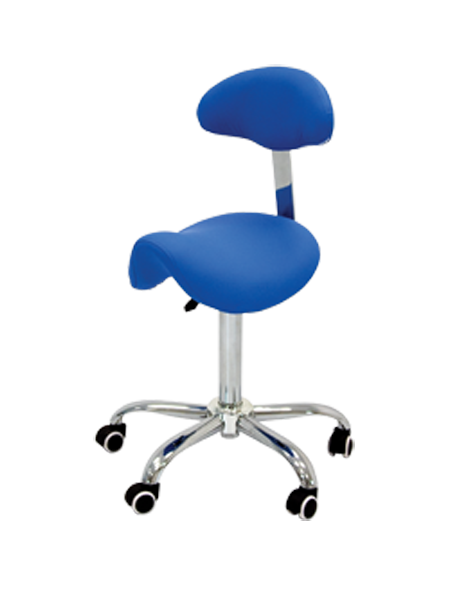
Nova Nene Podiatry Clinic Saddle Stool
Say goodbye to back pain and discomfort with our ergonomically designed saddle stool.
Perfect for long hours of sitting, it promotes better posture and reduces strain on your back.
Sold: Each
Incl. VAT Exl. VAT
Product Description
Ergonomic Clinical Saddle Stool
The Nova Nene Podiatry Clinic Saddle Stool is designed to support healthier seated working posture in podiatry, treatment, and examination environments while offering dependable mobility, easy cleaning, and day-to-day comfort.
Best for: Podiatry clinics, treatment rooms, consultation spaces, and healthcare professionals who spend long periods seated while working close to patients.
Not ideal for: Settings that require a backrest, static boardroom-style seating, or users who prefer a conventional flat office chair.
- Ergonomic saddle seat design intended to encourage a more open hip position
- Height adjustable seat range from 45cm to 60cm for practical clinic use
- Five-castor base supports stability and smooth movement around treatment areas
What is it?
The Nova Nene is a saddle-style clinical stool created for healthcare and treatment environments where comfort, posture, and manoeuvrability matter throughout the working day. Unlike a standard flat stool, the saddle seat shape is designed to position the user in a more open seated posture, which may help reduce the feeling of slumping that often develops during prolonged clinical work.
This type of seating is especially relevant in podiatry and similar disciplines, where practitioners often move repeatedly between instruments, patient positioning, note-taking, and close visual assessment. The stool provides a compact, mobile seating solution that supports these tasks without taking up unnecessary floor space.
The Nova Nene also includes practical features that suit professional environments. Its upholstery is designed to be comfortable and easy to clean, the base uses five castors for reliable movement, and the adjustable height range allows the seat position to be adapted to the user and the clinical setup. The overall result is a stool intended for regular professional use rather than occasional seating.
Who is it for?
This stool is aimed at clinical users and treatment teams who need a seating option that supports frequent movement, upright working posture, and practical hygiene standards. It is particularly relevant for podiatrists, foot health practitioners, and other clinicians who work near floor level or around treatment chairs for extended periods.
It is also suitable for private clinics, hospital departments, community treatment rooms, university teaching clinics, and other professional settings where a compact stool is preferable to a larger chair. Because it is available in coordinated colour options, it also suits practices that want a visually consistent treatment room setup.
Although developed with podiatry in mind, the Nova Nene may also be appropriate for other medical, therapy, and healthcare environments where practitioners benefit from a mobile, height-adjustable saddle stool during close-up work.
What is it used for?
The Nova Nene Saddle Stool is used as a working seat in professional treatment spaces. It supports clinicians during consultations, assessments, and procedures where repeated repositioning and seated access to the patient are needed. Its design makes it useful in rooms where the practitioner alternates between sitting and standing, or where quick movement around a treatment chair is part of normal workflow.
Applications
- Seated patient consultations in podiatry clinics
- Foot and lower limb assessment in examination rooms
- Treatment sessions that require close working access
- Clinical tasks involving frequent movement around the patient chair
- Multi-user treatment rooms where adjustable seat height is important
- Healthcare environments where easy-clean upholstery supports hygiene routines
- Clinic refurbishments where coordinated colour choices matter
Characteristics
- Saddle-style seat shape designed to encourage a more natural seated position
- Height adjustment allows users to tailor the stool to task and preference
- Compact footprint suits treatment spaces where floor area is limited
- Five-castor base supports stability and everyday clinic mobility
- Easy-clean upholstery supports routine infection control procedures
- Professional appearance suited to modern clinical interiors
- Durable construction intended for regular practice use
Typical users
- Podiatrists and podiatry assistants
- Foot health practitioners
- Clinicians working in treatment and examination rooms
- Private practice owners fitting out clinic spaces
- Hospital and NHS in-house treatment teams
- University clinics and training environments
- Healthcare professionals who need mobile, height-adjustable seating
How to work with it
The stool is intended to be adjusted so the user can work with their shoulders relaxed, their working surface or patient position clearly visible, and their feet stable on the floor. In many cases, the saddle shape encourages the user to sit with the legs more open than on a standard stool, which can support a more upright pelvis and torso position.
Because clinical tasks vary, users can raise or lower the seat within the stated height range to suit both the treatment chair and their own preferred working posture. The castor base then allows short movements around the workspace without repeatedly standing up to reposition the stool.
Expected use
First use
On first use, most clinicians will notice the difference in seat shape compared with a standard flat stool. The saddle form changes how the pelvis and thighs are positioned, and some users may need a short familiarisation period while they find the most comfortable working height. A brief adjustment period is normal when moving from conventional seating to a saddle-style stool.
Ongoing use (weeks)
With regular use over the following weeks, users typically refine the height setting and room position that best suit their working habits. The stool is designed for repeated day-to-day professional use, with upholstery that can be cleaned as part of routine clinic maintenance. As with any clinical seating, periodic checks of castors, upholstery condition, and height adjustment function help maintain reliable performance over time.
Comfort and posture outcomes will vary between users, working styles, and clinical setups. The stool is designed to support healthier seating practice, but correct room layout and appropriate working height remain important.
Problem → solution
| Common problem | How the product helps |
|---|---|
| Clinicians feel uncomfortable on flat stools during long treatment sessions | The saddle seat design is intended to distribute weight more evenly across the seating area and support a different working posture. |
| Users tend to slump while seated | The seat shape encourages a more open hip position, which may help support a more upright posture. |
| Clinic seating does not adjust well for different users or tasks | The height-adjustable range from 45cm to 60cm allows the stool to be set according to practitioner preference and treatment setup. |
| Moving around the patient chair is awkward with static seating | The five-castor base allows smooth repositioning in treatment areas. |
| Upholstery is difficult to maintain in busy clinical spaces | The easy-clean surface supports routine hygiene and cleaning procedures. |
| Practices want seating that matches treatment chair aesthetics | Colour options make it easier to coordinate the stool with existing clinic furniture. |
Key benefits
- Ergonomic saddle seat design supports a more natural working posture than many flat stools
- Height adjustment provides flexibility for different clinicians, rooms, and treatment tasks
- Five-castor base combines stability with practical mobility in active clinic settings
- Easy-clean upholstery supports hygiene standards in healthcare environments
- Compact design suits treatment rooms without adding unnecessary bulk
- Colour choices help create a coordinated and professional clinic appearance
Common mistakes to avoid
- Setting the stool too high or too low for the treatment chair, which can reduce the posture benefits of the saddle design
- Assuming a saddle stool will feel identical to a conventional office chair from the first day of use
- Using the stool as a substitute for broader workstation and room setup improvements when the overall working layout still needs adjustment
- Continuing to work in discomfort without reviewing seat height, positioning, or clinical ergonomics support
How to work with
- Place the stool on a clean, level clinic floor with enough clearance for safe movement around the treatment area.
- Adjust the seat height within the 45cm to 60cm range so your working position feels balanced and your shoulders remain relaxed.
- Sit centrally on the saddle seat and allow your feet to rest comfortably on the floor for stability.
- Check that your position gives clear access to the patient and instruments without excessive leaning or twisting.
- Use the castor base for short, controlled repositioning during treatment rather than overreaching from one fixed point.
- Clean the upholstery after use according to local cleaning protocols and suitable surface-care procedures.
- Inspect castors and seat function regularly as part of routine clinic equipment checks.
Technical specifications
| Specification | Details |
|---|---|
| Product type | Saddle stool / clinical seating stool |
| Seat design | Ergonomic saddle-style seat |
| Seat height range | 45cm to 60cm |
| Base type | 5-castor base |
| Dimensions (W x D) | 40 x 40cm |
| Upholstery | Comfortable, easy-clean upholstery |
| Colour options | Aqua, Cloud, Turquoise |
| Construction note | German quality construction |
| Left / right fit | Universal seating product |
| Care and cleaning | Wipe-clean upholstery; follow suitable clinic cleaning procedures |
| Pack contents | Single stool |
| Service option | Optional upholstery re-covering service available |
Frequently asked questions
Why choose a saddle stool instead of a standard flat stool?
A saddle stool is designed to place the hips and thighs in a more open position than many flat seats. For some clinicians, this may help support a more upright sitting posture during treatment work. Preference varies between users, but saddle seating is often chosen where posture and working access are both priorities.
Is the Nova Nene suitable for podiatry clinics?
Yes. It is particularly well suited to podiatry consultation and treatment spaces because it combines close-access seating, mobility, adjustable height, and cleanable upholstery. These features make it practical for everyday clinical use.
Can different staff members use the same stool?
Yes, in many clinics the adjustable height range makes the stool suitable for shared use. Users should still take a moment to reset the seat height for their own comfort and working position before starting a session.
How easy is it to clean?
The upholstery is designed to be easy to clean, which supports routine hygiene procedures in treatment areas. Cleaning methods should always align with local infection control protocols and the products used in your clinical setting.
Will it completely solve back discomfort at work?
No seating product can guarantee that. The Nova Nene is designed to support better sitting posture and may help reduce strain associated with poor seating habits, but outcomes depend on the user, treatment setup, working duration, and wider ergonomic factors.
Is it stable enough for busy treatment rooms?
The stool uses a five-castor base to provide a combination of stability and manoeuvrability suitable for clinical environments. As with any wheeled seating, it should be used on appropriate flooring and checked regularly for wear.
What happens if the upholstery becomes worn over time?
An upholstery re-covering service is available for users who want to refresh the stool rather than replace it. This can be useful for clinics that want to maintain appearance and hygiene standards over a longer service life.
Complementary / pairing suggestions
The Nova Nene Saddle Stool pairs naturally with podiatry treatment chairs, examination chairs, and other mobile clinical furniture where a coordinated working setup is important. It is especially suited to practices using colour-matched treatment seating and looking to maintain a consistent room appearance.
It can also be used alongside instrument trolleys, clinician footrests, procedure lighting, and wipe-clean clinical storage to create an efficient treatment space. For clinics reviewing posture and workflow more broadly, the stool works best as part of a considered room layout that supports patient access, visibility, and comfortable practitioner positioning.
Written by: Algeos Product & Clinical Content Team
Last reviewed: March 2026
This content is intended as buyer guidance to help with product selection and clinic planning. It is not a diagnosis service and does not replace professional medical advice, ergonomic assessment, or clinical judgement.
Frequently bought together
Sold: Each
Incl. VAT Exl. VAT
Sold: Each
Incl. VAT Exl. VATSold: Each
Incl. VAT Exl. VAT
Sold: Each
Incl. VAT Exl. VATSold: Each
Incl. VAT Exl. VAT
Sold: Each
Incl. VAT Exl. VAT
Sold: Pack of 100
Incl. VAT Exl. VAT
Sold: Pack of 100
Incl. VAT Exl. VATSold: Pack of 100
Incl. VAT Exl. VAT
Sold: Each
Incl. VAT Exl. VATSold: Each
Incl. VAT Exl. VAT
Sold: Each
Incl. VAT Exl. VAT
Sold: Each
Incl. VAT Exl. VAT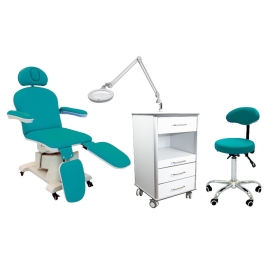
Sold: Bundle
Incl. VAT Exl. VAT
Sold: Each
Incl. VAT Exl. VATSold: Each
Incl. VAT Exl. VAT
Sold: Pack of 50
Incl. VAT Exl. VAT
Sold: Pack of 10
Incl. VAT Exl. VAT
Sold: Each
Incl. VAT Exl. VAT
Sold: Each
Incl. VAT Exl. VAT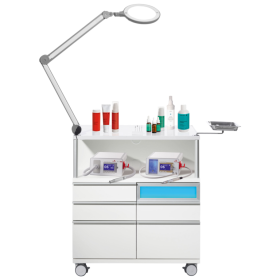
Sold: Each
Incl. VAT Exl. VATSold: Each
Incl. VAT Exl. VAT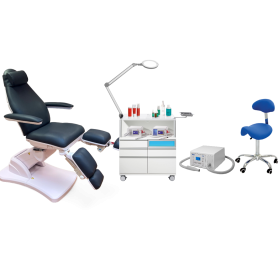
Sold: Each
Incl. VAT Exl. VAT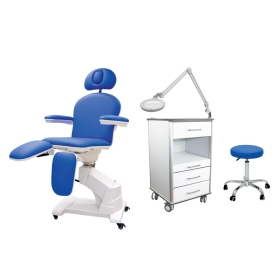
Sold: Bundle
Incl. VAT Exl. VAT
Sold: Each
Incl. VAT Exl. VAT
Sold: Each
Incl. VAT Exl. VAT