



Evidence-based prefabricated foot orthoses
Interpod prefabricated foot orthoses are designed with clinically informed features and selectable support options. They have been shown to help improve foot malalignment associated with common conditions - from plantar fasciitis and arch pain to forefoot pain.
Condition specific devices unrivalled
Interpod devices provide practitioners with multiple combinations of rearfoot and midfoot control, material stiffness, and arch height options — helping you tailor orthotic support to individual biomechanics.
Orthotic features unparalleled
Evidence-based design features used across the Interpod system include:
- Plantar fascial groove
- Rearfoot wedge
- Cuboid notch
- Lateral support ridge
- Plantar flexion of 1st ray
Designed by “real” podiatrists
Interpod was established in 1999 by two Australian podiatrists and developed as an effective prefabricated orthotic range using design features supported by independent university research.
When to use orthotics to treat patients
During activity, tissues fatigue as a result of the loads placed upon them. Orthotics can help reduce these loads, enabling tissues to recover so the patient can return to activity with reduced pain. Orthotics may be used short, medium, or long term depending on presentation.
Advantages of orthotic intervention
- Immediate reduction in load on symptomatic tissues
- Time saving
- Ease of treatment
- Option to use orthotics when necessary
- Can help athletes train longer, harder, and more frequently
- Can be used in short, medium or long term plans
Other supportive treatment options
Other options can include:
- Rest and RICE
- Stretching and strengthening assisting muscles
- Changing activity type (cross training)
- Training on softer surfaces
- Reducing frequency, intensity and/or duration
- Wearing suitable footwear (including quality socks)
Maximise clinical outcomes
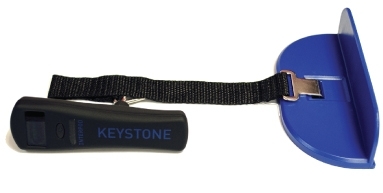
The Interpod Library range helps practitioners prescribe the minimal amount of support needed to reduce symptoms. This can be guided by a supination resistance test, which correlates forces and loads with the level of orthotic support required.
Supination resistance: what it can indicate
- Harder to supinate → greater force required from the orthotic device to create a supination moment
- Easier to supinate → lower force required from the orthotic device
- A medially located subtalar joint axis may require increased support (e.g., rearfoot wedging, arch height, stiffness)
- A laterally located subtalar joint axis may require less support (e.g., reduced wedging, arch height, stiffness)
Design features used by Interpod
- Three material types: NeuroFlex, Polyurethane and EVA
- Three material stiffness levels: Low, Moderate, High
- Two areas of orthotic control: Midfoot and/or Rearfoot support
- Three arch heights: Low, Moderate, High
- Shank dependent and independent options
- Cuboid notch and heel cup options
- Extrinsic and intrinsic rearfoot posts
- Core additions: PMP pads, lateral pads, heel lifts
Popular Interpod solutions
Browse some of the most commonly selected Interpod products and tools:
Interpod Diabetic Foot Orthotics are specially designed to provide ultimate comfort and support for those suffering from diabetes.
Offers superior rear foot and mid foot support, offloading weight from the heel and forefoot.
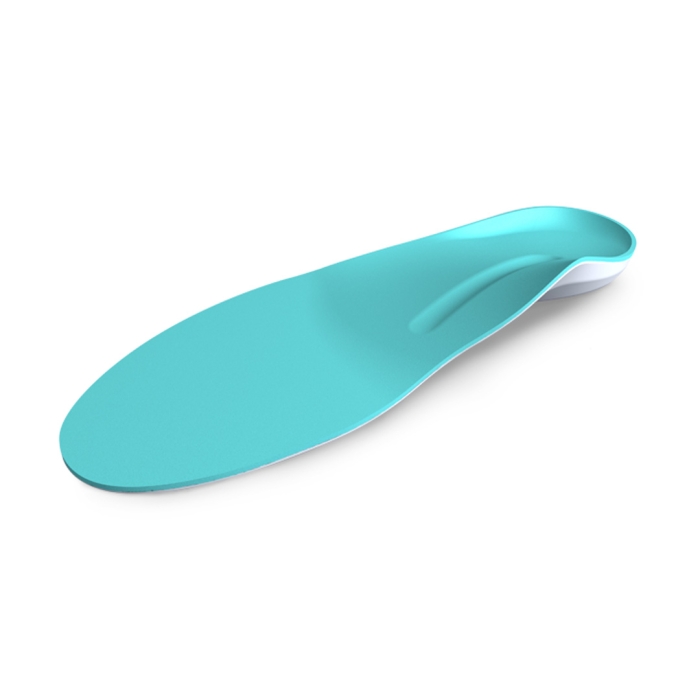
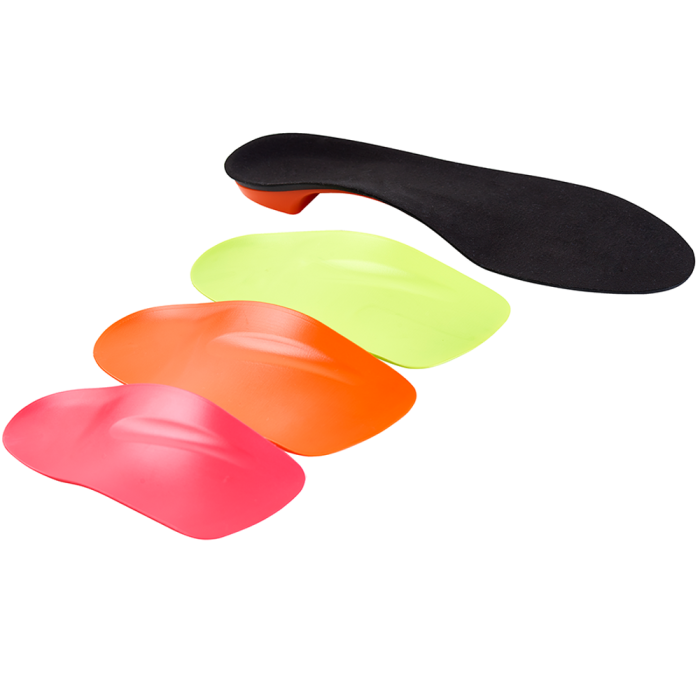
Adjustable arch support approach for flexible dispensing.
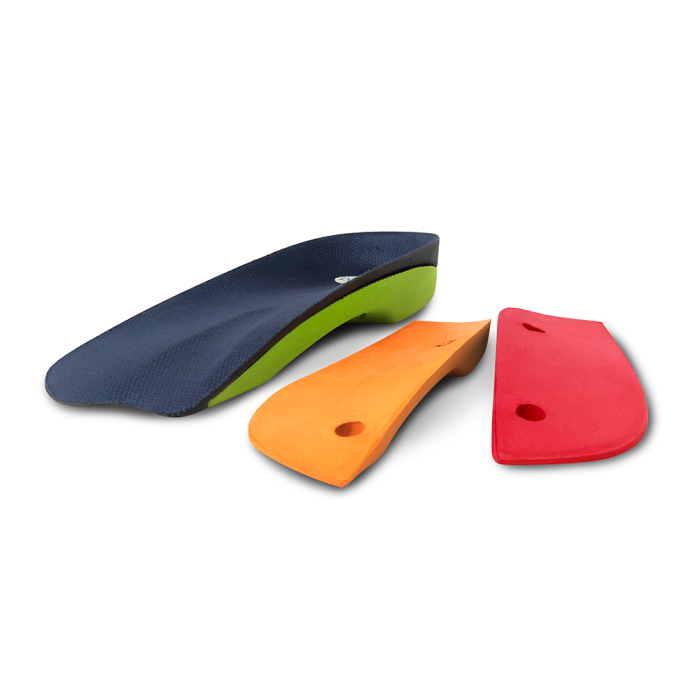
Lower-profile option suitable for tighter footwear.
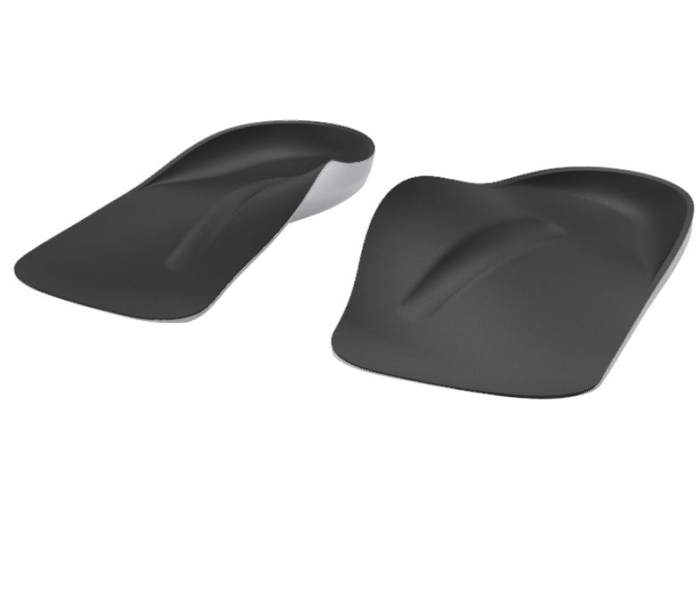
Structured arch support for plantar fascia load management.
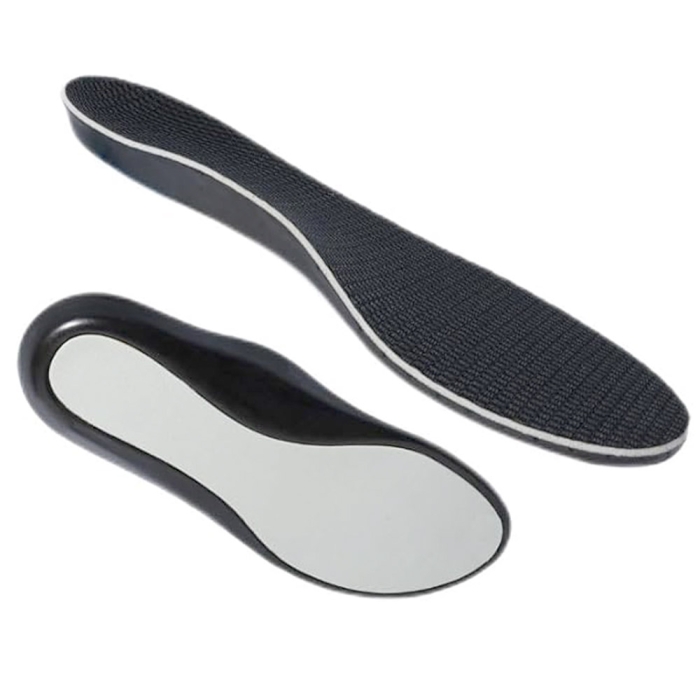
Interpod orthotics option for support and control needs.
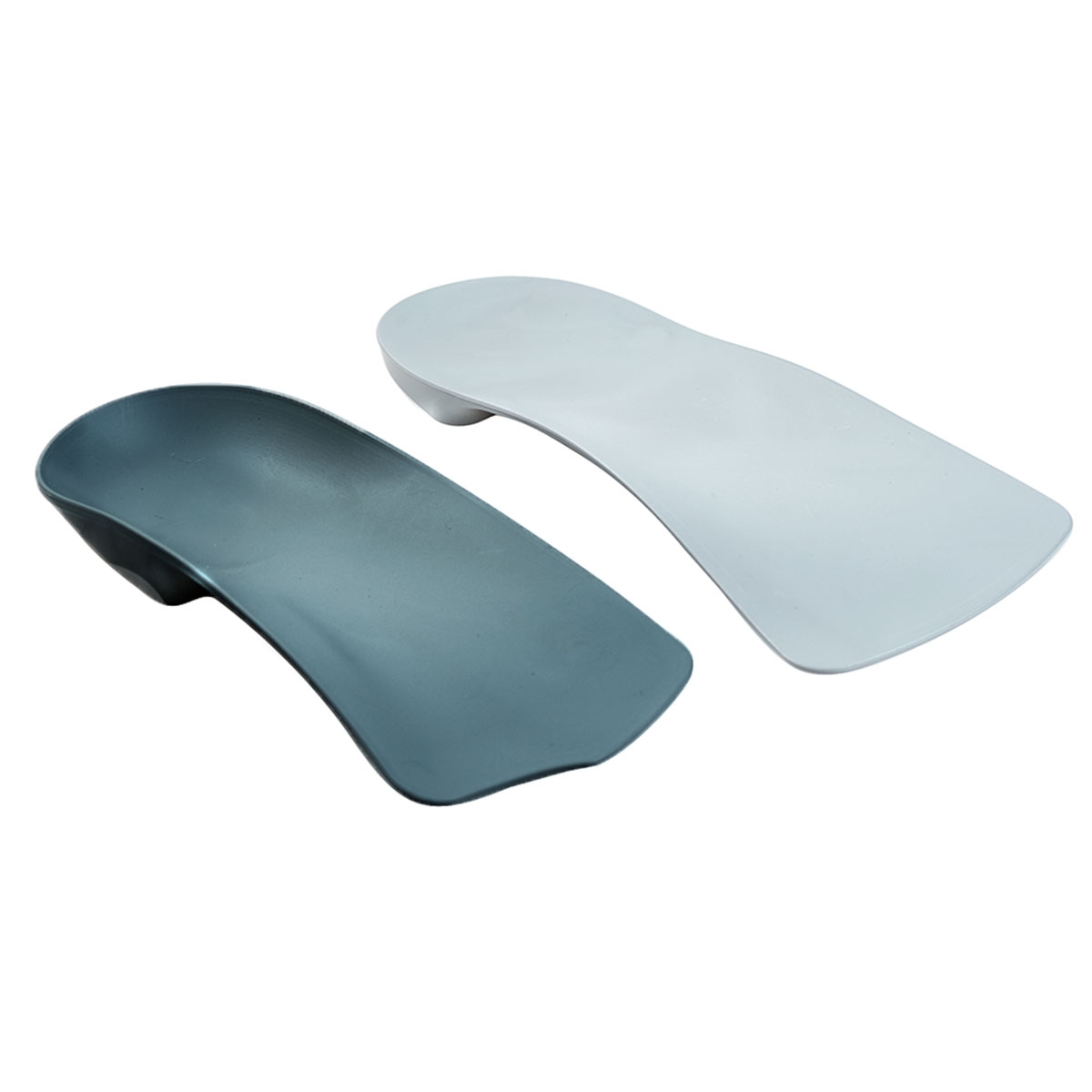
Paediatric option designed for flat feet support needs.
Tool used to assist with supination resistance measurement.
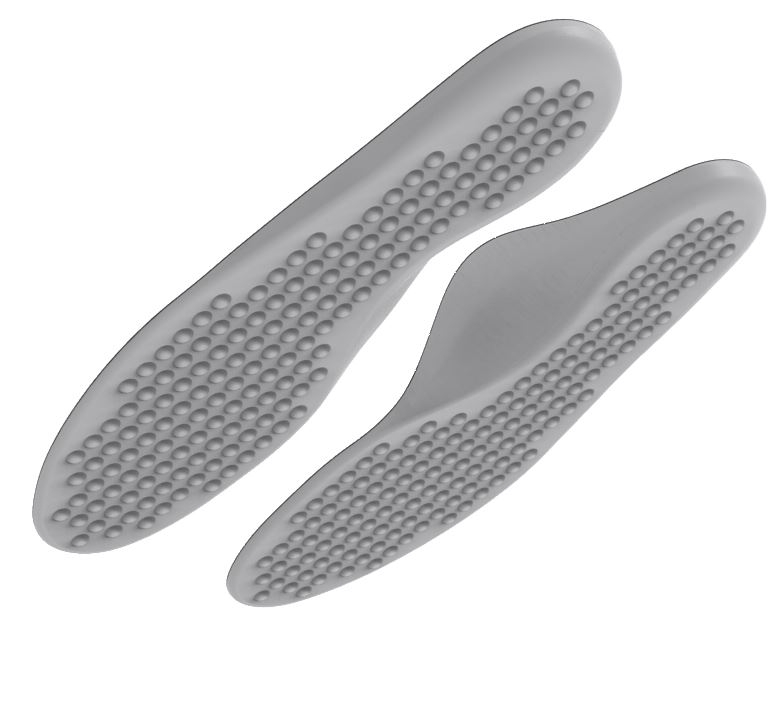
Replacement top covers for Interpod orthotic systems.
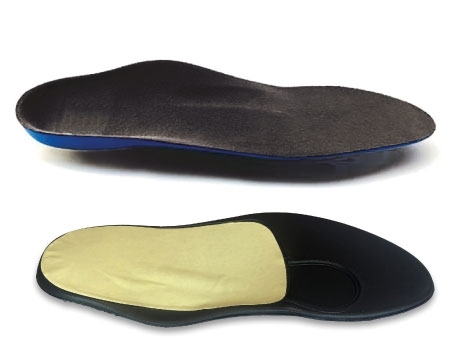
Paediatric option designed for flat feet support needs.