




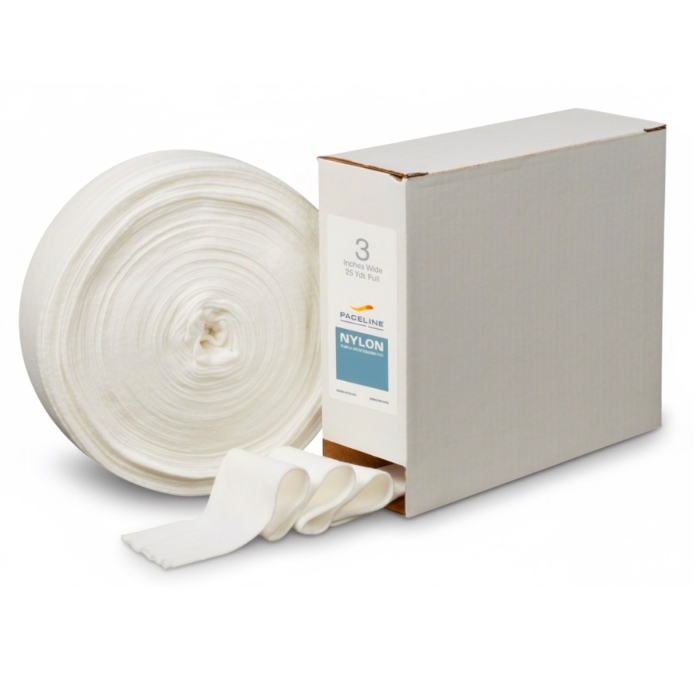
Flexa Stretch Nylon for Prosthetic Layups
Ultra-fine 100% nylon knit delivers a smooth, blemish-free surface finish on laminated and vacuum-formed components.
Non-stick performance prevents adhesion to thermoplastics, supporting clean release and easier demoulding.
High stretch capacity of up to 300% allows consistent coverage over complex shapes without ribs or distortion.
Fully compatible with all common prosthetic resin systems, offering flexibility across prosthetic and orthotic fabrication workflows.
Sold: Roll
Incl. VAT Exl. VAT
Product Description
Flexa Stretch Nylon - High-Stretch Prosthetic Layup Fabric
Flexa Stretch Nylon is a high-performance nylon fabric developed to support consistent, professional-quality outcomes in vacuum forming, prosthetic lamination and resin-based fabrication processes.
Best for: Prosthetic and orthotic lamination, vacuum forming, smooth cosmetic finishes, and complex contoured layups.
Not ideal for: Structural reinforcement layers or applications requiring stiffness or load-bearing strength.
- Designed for controlled, predictable stretch during forming
- Engineered for clean release from thermoplastics
- Trusted in clinical, workshop, and educational fabrication settings
What is it?
Flexa Stretch Nylon is a specialist stretch fabric manufactured from 100% premium nylon and constructed with ultra-fine stitching. It is specifically designed for use in vacuum forming and lamination workflows where surface finish, material control and release behaviour are critical.
The fabric’s fine knit structure produces a smooth, even surface when used as a layup or outer layer, helping to minimise visual imperfections such as ribbing, print-through, or distortion. Its controlled elasticity allows it to conform closely to complex shapes without creasing or uneven tension.
Unlike some general-purpose fabrics, Flexa Stretch Nylon does not adhere to thermoplastics during vacuum forming. This non-stick behaviour makes it suitable as a release layer, reducing the risk of damage to formed components and helping to streamline demoulding and finishing stages.
Who is it for?
This material is intended for professionals and advanced users involved in lower limb, upper limb, and specialist orthotic or prosthetic fabrication. It supports both routine and complex production workflows where repeatability and surface quality are important.
- Orthotists and prosthetists producing laminated sockets or components
- Orthotic technicians and in-house hospital workshops
- Podiatry and sports clinics carrying out in-house modifications
- Fabrication labs and medical device manufacturers
- Universities, training centres, and teaching hospitals
- Specialist footwear makers and advanced DIY fabricators
What is it used for?
Flexa Stretch Nylon is used as part of layered layup systems in vacuum forming and resin lamination. Its primary role is to help achieve a smooth, professional surface while allowing the underlying structure to cure or form accurately.
Common applications
- Outer cosmetic layers in prosthetic socket lamination
- Stretch release fabric during thermoplastic vacuum forming
- Surface-smoothing layer over reinforcement fabrics
- Complex contour coverage where uniform tension is required
- Educational and training demonstrations of lamination techniques
Characteristics
- Ultra-fine nylon knit for reduced surface marking
- High elasticity, stretching up to approximately 300%
- Consistent stretch without ribs, runs, or laddering
- Non-stick interaction with thermoplastics
- Compatible with all common resin systems
How to work with it
The material is supplied on manageable rolls and can be cut cleanly with standard workshop tools. Its stretch characteristics allow it to be tensioned evenly over moulds, forms, or positive models before vacuum or resin application.
Expected use timeline
First use: On initial use, technicians typically notice improved conformity and reduced surface marking compared to heavier or less elastic fabrics. Familiarisation with stretch behaviour usually occurs quickly.
Ongoing use (weeks): With regular use, Flexa Stretch Nylon becomes a dependable part of repeatable layup systems. Users often refine tensioning techniques over time to suit specific mould geometries and resin systems, supporting consistent outcomes across multiple fabrications.
Problem and solution overview
| Common problem | How Flexa Stretch Nylon helps |
|---|---|
| Visible ribbing or texture on finished laminations | Ultra-fine stitching creates a smoother surface layer over reinforcement fabrics |
| Fabric sticking to thermoplastics during vacuum forming | Non-stick nylon construction supports clean release after forming |
| Difficulty covering complex shapes evenly | High stretch capacity allows uniform tension over contours and undercuts |
| Limited compatibility with resin systems | Designed to work reliably with all common prosthetic and orthotic resins |
Key benefits
- Supports a clean, professional surface finish
- Reduces risk of distortion across complex geometries
- Improves workflow efficiency during demoulding
- Adaptable to a wide range of fabrication techniques
- Suitable for both clinical and workshop environments
- Consistent performance across repeated uses
Common mistakes to avoid
- Over-tensioning the fabric, which can reduce control during layup
- Using the material as a structural reinforcement rather than a surface or release layer
- Assuming surface finish quality depends solely on this layer without proper underlying preparation
- Proceeding without test samples when introducing the material to a new resin system
How to work with Flexa Stretch Nylon
- Cut the fabric to size, allowing sufficient excess for stretch and anchoring.
- Position the material evenly over the mould or positive model.
- Apply gentle, uniform tension to remove wrinkles before vacuum or resin application.
- Proceed with forming or lamination using standard workshop protocols.
- Allow the component to cure or cool fully before removing the fabric.
Technical specifications
| Material composition | 100% nylon |
|---|---|
| Stretch capacity | Up to approximately 300% |
| Available widths | 3 width options (varies by option) |
| Roll weight | ½ kg per roll |
| Colour | Varies by batch |
| Thickness | Not specified |
| Resin compatibility | Compatible with all common resin systems |
| Care and storage | Store clean and dry; avoid contamination with uncured resins |
Frequently asked questions
Can Flexa Stretch Nylon be reused?
Reuse depends on application and handling. In some vacuum forming contexts it may be reused if undamaged, but many lamination processes treat it as a single-use material for consistency.
Is it suitable for both prosthetic and orthotic work?
Yes. The fabric is designed to support a wide range of prosthetic and orthotic fabrication techniques where stretch and surface finish are important.
Does it work with all thermoplastics?
Flexa Stretch Nylon is designed not to adhere to commonly used thermoplastics during vacuum forming, supporting easier release.
Will it affect resin curing?
The material is compatible with all common resin systems and is not intended to interfere with normal curing processes.
Is this fabric load-bearing?
No. It is intended as a surface, stretch, or release layer rather than a structural reinforcement.
Can students use this material safely?
Yes, under appropriate supervision and standard workshop safety procedures, it is suitable for educational environments.
Complementary and pairing suggestions
- Carbon fibre or glass fibre reinforcement fabrics
- Prosthetic-grade laminating resins
- Vacuum bags and sealing tapes
- Release films and peel plies
Written by: Algeos Product & Clinical Content Team
Last reviewed: February 2026
This content is intended to support informed purchasing decisions and practical understanding of fabrication materials. It does not replace professional training, diagnosis, or medical advice.
Frequently bought together
Sold: 25 Yards
Incl. VAT Exl. VAT

Sold: 25 yards (22.8 metres)
Incl. VAT Exl. VAT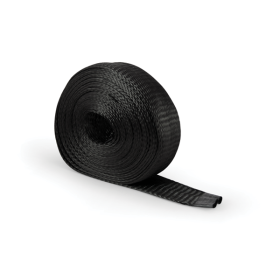
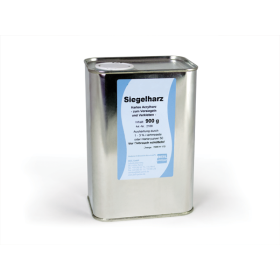
Sold: Sheet 1 x 1m
Incl. VAT Exl. VAT
Sold: 2 Sizes
Incl. VAT Exl. VAT
Sold: Multiple Sizes Available
Incl. VAT Exl. VAT
Sold: Multiple Sizes
Incl. VAT Exl. VAT
Sold: Multiple Sizes
Incl. VAT Exl. VAT
Sold: Each
Incl. VAT Exl. VAT
Sold: Each
Incl. VAT Exl. VAT
Sold: 400ml
Incl. VAT Exl. VAT
Sold: Each
Incl. VAT Exl. VAT
Sold: Each
Incl. VAT Exl. VAT
Sold: Each
Incl. VAT Exl. VAT
Sold: Per Metre
Incl. VAT Exl. VATSold: Per Metre
Incl. VAT Exl. VAT
Sold: 1kg
Incl. VAT Exl. VAT
Sold: Roll
Incl. VAT Exl. VAT