




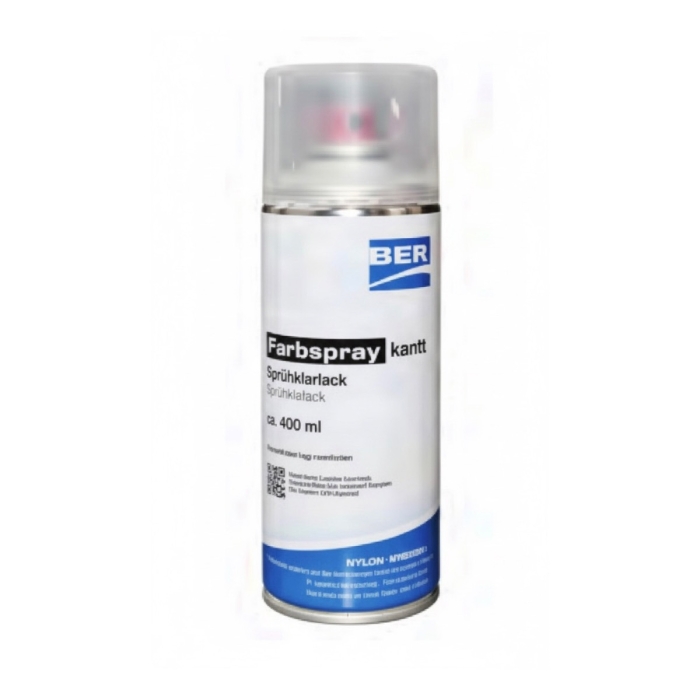
Acrylic Spray Varnish for Prosthetics
High quality acrylic varnish. Formulated to provide a smooth, even coating, it enhances both the durability and appearance of finished sockets.
High-quality, skin-coloured acrylic varnish.
Ideal for finishing prosthetic sockets and sealing transfers.
Fast-drying formula for efficient application.
Sold: 400ml
Incl. VAT Exl. VAT
Product Description
Workshop Acrylic Surface Spray
A practical, fast-drying acrylic spray designed to support clean finishing, surface sealing, and light protection during orthotic, prosthetic, and footwear fabrication tasks.
Best for: workshop finishing, surface sealing, cosmetic touch-ups, and light protective coating on models and components.
Not ideal for: high-load structural bonding or permanent outdoor exposure without additional protection.
- Designed for controlled workshop use
- Supports neat, professional finishes
- Compatible with common orthotic and footwear materials
What is it?
Acrylic Spray is a ready-to-use aerosol coating formulated with acrylic resins. It is designed to be applied directly to prepared surfaces to create a thin, even film that dries to a smooth finish.
In orthotic and prosthetic workshops, acrylic sprays are commonly used to seal porous materials, improve cosmetic appearance, and provide light surface protection during or after fabrication.
The spray format allows for controlled application without brushes or rollers, helping to achieve consistent coverage even on contoured or detailed shapes.
Who is it for?
This product is intended for orthotists, prosthetists, footwear technicians, and workshop professionals who require a reliable surface spray for finishing and protection. It may also be suitable for technically minded users working on footwear modifications, orthotic adjustments, or model finishing in non-clinical workshop environments.
It is not intended for use directly on skin or as a medical treatment. Application should always take place in a ventilated workspace with appropriate safety precautions.
What does it help with?
- Sealing porous foam or composite surfaces before further finishing
- Improving the cosmetic appearance of orthotic or prosthetic components
- Reducing surface dusting or fibre shedding on cut materials
- Providing a light protective layer against handling marks and minor abrasion
How does it work?
The spray dispenses a fine mist of acrylic-based coating that spreads evenly across the target surface. As the solvent evaporates, the acrylic resin forms a continuous film that adheres to the material underneath. This film helps bind surface particles, smooth visual imperfections, and create a more uniform finish.
Because the coating layer is thin, it does not significantly alter the dimensions of the component when applied correctly. Multiple light coats can be used to build coverage gradually, allowing better control over the final result.
Problem → Solution
| Common problem | How the acrylic spray helps |
|---|---|
| Porous foam or composite surfaces shedding dust | Seals the surface, reducing loose particles and improving cleanliness |
| Uneven or unfinished appearance after shaping | Creates a smoother, more uniform visual finish |
| Handling marks during fitting or transport | Adds a light protective layer to reduce visible scuffs |
| Difficulty applying liquid coatings evenly | Aerosol spray allows controlled, even coverage on complex shapes |
Key benefits
- Fast-drying formulation supports efficient workshop workflows
- Helps improve cosmetic presentation of finished components
- Easy aerosol application for consistent coverage
- Suitable for a range of orthotic and footwear materials
- Allows light surface protection without adding bulk
- Supports cleaner handling and finishing processes
Mistakes to avoid
- Applying heavy coats instead of multiple light layers
- Spraying too close to the surface, leading to runs or pooling
- Handling components before the coating is fully dry
- Using in poorly ventilated areas
How to use
- Prepare the surface by ensuring it is clean, dry, and free from dust or grease.
- Shake the aerosol can thoroughly before use.
- Hold the spray at a suitable distance from the surface.
- Apply a light, even coat using smooth, sweeping motions.
- Allow the coating to dry before applying additional light coats if needed.
- Leave the finished component to fully dry before handling or further fabrication.
Technical specifications
| Specification | Detail |
|---|---|
| Product type | Acrylic-based aerosol spray |
| Application method | Spray (aerosol) |
| Finish | Clear or lightly tinted (varies by option) |
| Drying behaviour | Fast drying (time varies by coat thickness and conditions) |
| Compatibility | Common orthotic, prosthetic, and footwear workshop materials |
| Pack contents | Single aerosol can |
| Care and storage | Store at room temperature, away from heat sources |
FAQs
Is the spray waterproof?
The acrylic coating provides light surface protection but is not designed as a fully waterproof or immersion-resistant layer.
Does it change the flexibility of materials?
When applied in thin coats, flexibility changes are minimal. Heavy application may stiffen thin materials.
Is it safe to use indoors?
Yes, when used in a well-ventilated area and with appropriate workshop safety practices.
Can multiple coats be applied?
Yes. Multiple light coats are recommended rather than one heavy coat.
Complementary / pairing suggestions
- Finishing abrasives for surface preparation
- Workshop cleaning sprays for pre-application cleaning
- Protective gloves and masks for safe application
- Foam and composite materials commonly used in orthotic fabrication
Content credibility
Written by: Algeos Product & Clinical Content Team
Last reviewed: January 2026
Purpose: Buyer guidance only. This content does not replace professional judgement or medical advice.
Frequently bought together

Sold: Each
Incl. VAT Exl. VAT
Sold: Multiple Sizes
Incl. VAT Exl. VAT
Sold: Sheet 1 x 1m
Incl. VAT Exl. VAT
Sold: Per Metre
Incl. VAT Exl. VATSold: Per Metre
Incl. VAT Exl. VAT
Sold: 2 Sizes
Incl. VAT Exl. VAT
Sold: Multiple Sizes Available
Incl. VAT Exl. VAT
Sold: Multiple Sizes
Incl. VAT Exl. VAT
Sold: Each
Incl. VAT Exl. VAT
Sold: Each
Incl. VAT Exl. VAT

Sold: Each
Incl. VAT Exl. VAT
Sold: 400ml
Incl. VAT Exl. VAT