




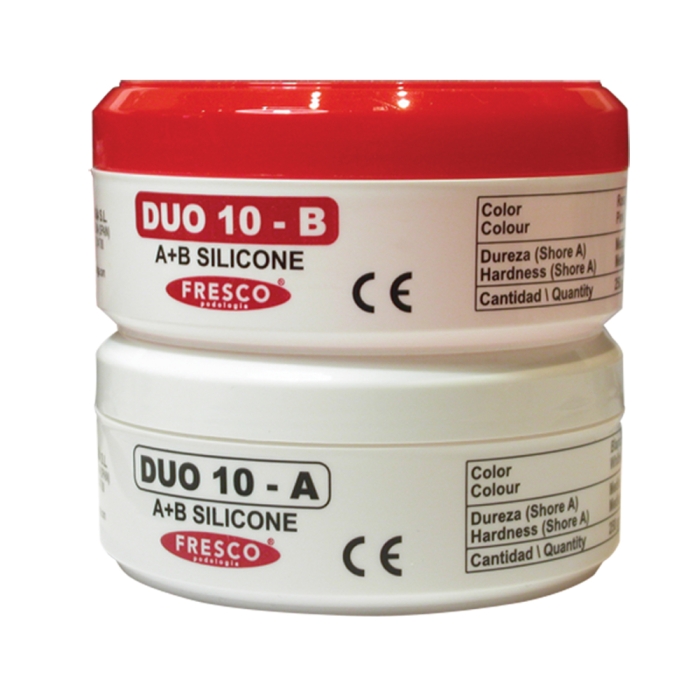
Duo 10 A&B Podiatry Putty - 1+1 Mixable Soft Silicone
A soft Podiatry Putty specially designed for the making of simple palliative or corrective orthosis.
Very soft cured hardness (Shore A 10–12) for comfort.
High stretch capacity to accommodate movement (reported stretching 550%).
Washable and reusable finished orthosis.

Product Description
Soft Silicone Podiatry Putty System
A two-part (1+1) mixable soft silicone putty for quickly forming simple palliative or corrective podiatry orthoses directly to the foot.
Best for: In-clinic fabrication of soft toe/forefoot devices, protective padding, and simple corrective moulds where a very soft Shore hardness is preferred.
Not ideal for: Rigid functional orthoses, high-load bracing, or users who require firm control rather than cushioning.
- Equal-part mixing for predictable handling
- Soft, comfortable finish designed for skin contact
- Washable and reusable once formed
What is it?
Duo 10 A&B is a bi-compound silicone putty supplied as two separate components (A and B) that are mixed in equal quantities (1+1) to create a soft, mouldable material. Once mixed to a uniform colour, the putty can be shaped directly onto the foot to form simple palliative or corrective orthoses.
Because it is a “not fluid paste”, Duo 10 is designed to stay where it is placed during moulding. This makes it suitable for small devices where precise placement matters, such as toe orthoses, forefoot offloading pieces, or protective pads for sensitive areas.
The cured result is intentionally soft (low Shore A hardness) to support comfort and wearability. It is intended for conservative device designs rather than rigid correction or high-force control.
Who is it for?
This putty system is intended for professional podiatry and orthotic settings where rapid, chairside fabrication is useful, as well as training environments teaching basic silicone orthosis techniques.
- Podiatrists making simple silicone toe/forefoot orthoses
- Orthotists and technicians producing palliative soft devices
- MSK and sports clinics needing protective, skin-contact padding
- Teaching hospitals and universities demonstrating silicone orthosis principles
- Specialist makers experienced with skin-contact silicone materials
For end users, Duo 10 is typically used as part of a clinician-led approach to improve comfort and reduce local pressure or friction. Device selection and placement should reflect the person’s presentation, footwear, and activity level.
What is it used for?
Applications
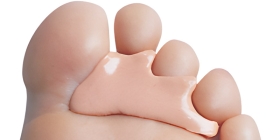
- Simple palliative toe orthoses to help reduce friction points
- Protective cushioning around sensitive prominences
- Forefoot padding to support local offloading strategies
- Basic corrective moulds where gentle positioning is appropriate
- Temporary or trial devices to evaluate comfort and tolerance
Characteristics
- Two-part system (A + B) mixed in equal amounts
- Changes from white + red components to a light red mixed colour
- Non-fluid paste for controlled placement and shaping
- Very soft cured hardness (Shore A 10–12) for comfort
- High stretch capacity to accommodate movement (reported stretching 550%)
- Washable and reusable finished orthosis
Typical Users
- Clinicians creating chairside silicone devices
- Labs producing small-volume palliative orthoses
- Training groups learning silicone mixing, handling and shaping
How to work with it
To form an orthosis, mix equal quantities of component A and component B until the colour is even. This visual colour change provides a practical cue that the mix is consistent.
Once mixed, the putty can be moulded onto the foot and shaped to the desired device form. Good technique focuses on placing material only where needed, smoothing edges to reduce shear, and ensuring the device does not interfere with footwear fit.
After forming, allow the material to stabilise and cure according to normal silicone handling practice. The finished orthosis can be cleaned between uses and reused, subject to ongoing inspection for wear.
Expected Use Timeline
First use
Once mixed and moulded, the material is designed to quickly form a soft orthosis suitable for trial fitting. Users typically assess comfort, edge feel and footwear compatibility during the first short wear period.
Ongoing use (weeks and beyond)
With appropriate cleaning and storage, a silicone orthosis can be reused over time. During ongoing use, it is sensible to check the device regularly for tearing, thinning, deformation or rough edges, particularly in high-friction areas.
For changing symptoms, skin integrity concerns, or persistent discomfort, reassessment and redesign may be needed rather than continued wear of an unsuitable device.
Common Problems and How This Product Helps
| Common problem | How the product helps |
|---|---|
| Need for a quick, chairside soft orthosis | Equal-part mixing and mouldable paste support rapid device fabrication. |
| Local friction causing discomfort | Soft silicone can act as a protective interface to reduce rubbing at targeted areas. |
| Pressure sensitivity at a toe or forefoot prominence | Very soft Shore A hardness supports cushioning and comfort-oriented designs. |
| Difficulty keeping material in place during moulding | “Not fluid paste” aspect helps hold shape and placement while forming the device. |
| Need for a washable, reusable palliative device | Finished orthosis can be cleaned and reused with routine inspection. |
Key Benefits
- Simple 1+1 equal-part mixing supports consistency and repeatability
- Soft, comfortable end result suited to palliative silicone orthoses
- Non-fluid paste allows controlled placement and shaping
- High stretch helps accommodate toe movement and daily activity
- Washable, reusable device potential when used and cared for appropriately
- Colour-change cue (to light red) supports thorough mixing
Common Mistakes to Avoid
- Under-mixing the components, leading to uneven curing or inconsistent feel
- Building devices too bulky, which may compromise footwear fit and comfort
- Leaving sharp edges or abrupt thickness changes that can increase shear
- Using the material for rigid control when a firmer orthosis is required
How to Work With Duo 10 A&B
- Prepare the foot: ensure the skin is clean and dry, and identify the target area for protection or gentle correction.
- Measure equal quantities of component A and component B.
- Mix thoroughly until the colour is even (light red) with no streaks.
- Mould the putty onto the foot and shape gradually, focusing on smooth edges and appropriate thickness.
- Check comfort and footwear space: trial fit with footwear where appropriate, adjusting shape before the material fully sets.
- Once formed, allow the orthosis to stabilise, then provide simple care guidance: wash, dry, and inspect regularly.
Where skin is fragile, sensation is reduced, or ulcer risk is elevated, device design and wear schedules should be conservative and overseen by a clinician.
Technical specifications
| Specification | Value |
|---|---|
| System | Bi-compound, 1+1 mixable soft silicone (A + B) |
| Indication | Making simple palliative or corrective orthoses |
| Component colours | White (A) + Red (B) |
| Mixed colour | Light red |
| Aspect | Not fluid paste |
| Density (g/cm3) | 1.25 |
| Hardness | Shore A 10–12 |
| Breaking resistance (MPa) | 1.2 |
| Split resistance (kN/m) | 5 |
| Stretching | 550% |
| Washability / reuse | Finished orthosis is washable and reusable |
Frequently Asked Questions
What does “1+1 mixable” mean?
It means you mix equal quantities of component A and component B. Mixing continues until the colour is uniform, indicating the blend is consistent.
Is the finished orthosis firm or soft?
The material is designed to cure to a very soft finish (Shore A 10–12), focusing on comfort and palliative use rather than rigid control.
Can I wash the orthosis?
Yes. The finished orthosis is washable. It should be dried thoroughly and inspected for damage before reuse.
Does it work for blisters or pressure points?
It may help by providing a soft protective interface that can reduce friction and local pressure. It does not replace clinical assessment when skin integrity is compromised.
How do I know I’ve mixed it properly?
Mix until the colour becomes an even light red with no streaks or marbling. Uneven colour suggests incomplete mixing.
Can it be used for major toe correction?
It is intended for simple palliative or gentle corrective orthoses. For significant deformity management, a clinician may recommend alternative materials or device designs.
Is it suitable for people with reduced sensation?
It may be used with caution and professional oversight. Regular skin checks and conservative wear schedules are important where sensation is reduced.
Complementary and Pairing Suggestions
- Skin-safe cleansing products for pre-application preparation
- Protective dressings for adjacent areas where friction is present
- Footwear fitting aids to ensure adequate toe box space
- Additional silicone putties in different hardness levels for staged device options
- Simple offloading pads or insoles to complement local toe protection
Written by: Algeos Product & Clinical Content Team
Last reviewed: February 2026
This content is provided for buyer guidance and product understanding. It is not a substitute for diagnosis, prescription, or professional clinical advice. Orthosis design and wear guidance should be based on individual assessment and safe practice.
Frequently bought together
Sold: 500g
Incl. VAT Exl. VAT
Sold: 800g
Incl. VAT Exl. VAT
Sold: 1 or 10 Sheets
Incl. VAT Exl. VAT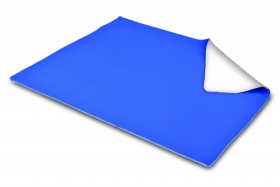
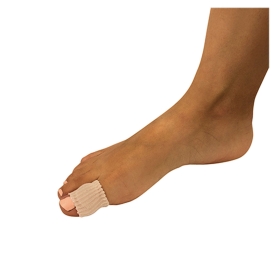
Sold: Pack of 12
Incl. VAT Exl. VAT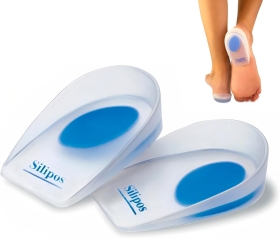
Sold: Pair
Incl. VAT Exl. VAT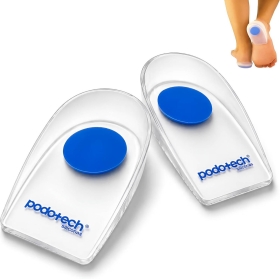
Sold: Pair
Incl. VAT Exl. VAT
Sold: Each
Incl. VAT Exl. VAT