





When winter arrives, our feet often feel the impact first. Cold temperatures, damp weather, and hours spent in enclosed footwear can all contribute to discomfort and increase the risk of common foot problems. Despite this, foot health is one of the most overlooked areas of personal care.
Given that an estimated 75–80% of adults in the UK experience a foot problem at some point in their lives, winter is the perfect time to take a proactive approach to keeping your feet healthy, warm, and pain-free.
Whether you are simply trying to stay comfortable or managing long-term conditions such as diabetes, looking after your feet during the colder months can prevent small issues turning into bigger complications. Here’s what to watch out for this winter, how to protect your feet, and why visiting a podiatrist remains one of the most important steps for long-term foot health.
Why foot care matters more in winter
Winter brings a unique set of challenges for your skin, circulation, and overall mobility. As temperatures drop, blood vessels constrict, leading to reduced circulation in the feet. Cold air outside and heating indoors strip moisture from the skin, which can lead to dryness, cracks, and discomfort. Prolonged use of thick socks and boots may create warm, damp environments that encourage fungal infections.
For people living with diabetes, vascular disease, neuropathy, or chronic pain, these seasonal changes can exacerbate risks. Reduced sensation, slower healing, and temperature sensitivity make winter a time when foot complications are more likely to go unnoticed.
In fact, cold-related conditions such as chilblains affect around 1 in 10 people in the UK. Staying informed and taking preventative steps is key to avoiding unnecessary discomfort or long-term damage.
Common winter foot problems
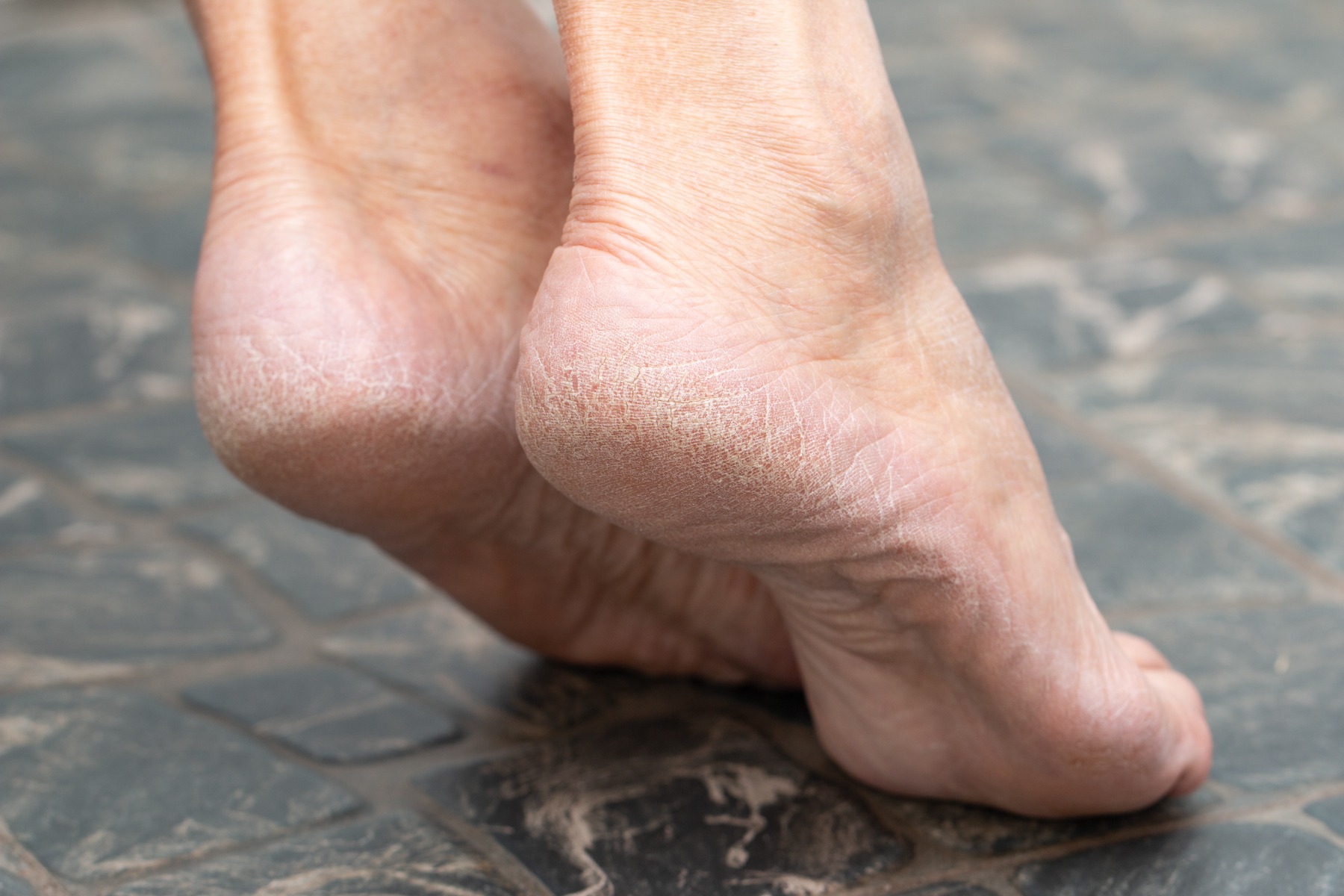
Dry, cracked skin
Dry cold air and central heating can dehydrate the skin, especially around the heels. Cracks can become painful and may increase infection risk if left unmanaged.
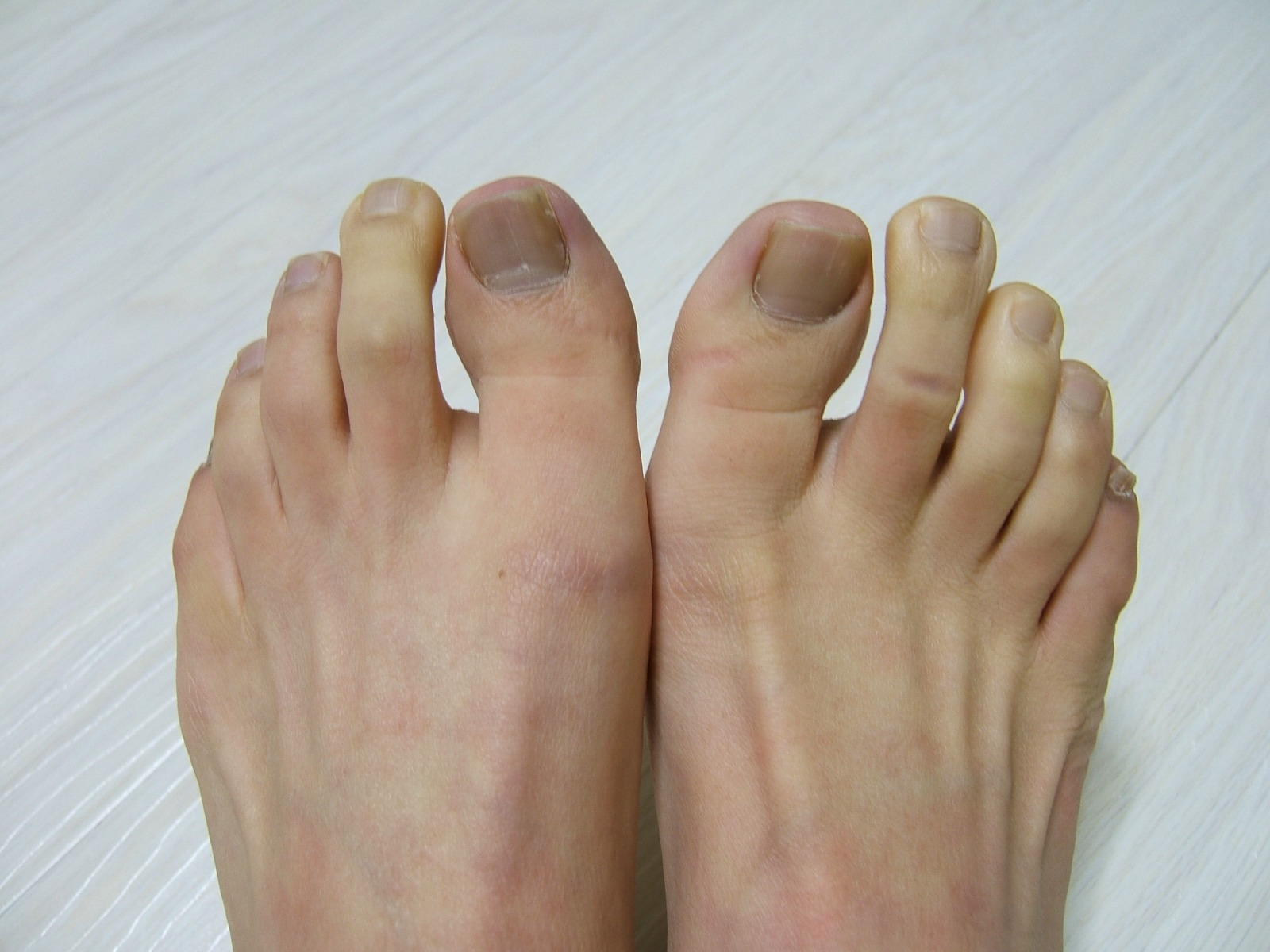
Circulation difficulties and cold feet
Reduced blood flow to the toes and soles can cause discomfort, stiffness, and slower healing. People with Raynaud’s, diabetes, or vascular conditions are particularly sensitive.
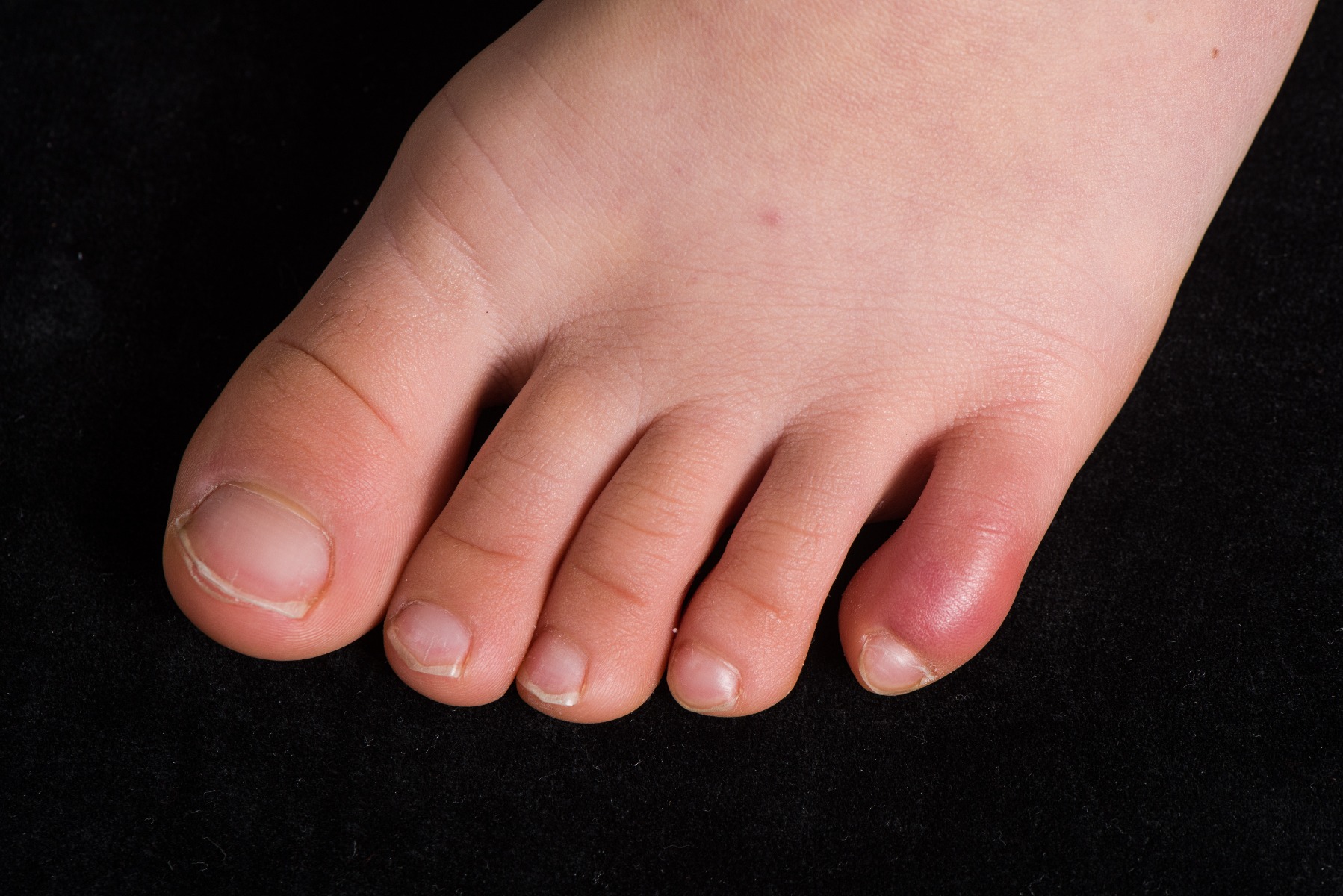
Chilblains
Small, itchy, painful red or purple patches can develop when the skin is exposed to cold and then reheated too quickly.

Fungal infections and athlete’s foot
Warm, sweaty environments inside winter boots create conditions where fungal infections thrive.

Worsening of existing foot conditions
Plantar fasciitis, arthritis, and general foot fatigue may feel more pronounced in winter as tendons and joints stiffen in the cold.
The role of a podiatrist: why expert care is essential
A podiatrist is a vital partner in your overall foot health. Winter can mask early signs of problems, especially when reduced sensation or numbness is present. Regular or seasonal check-ups can help you:
- Assess circulation and nerve health
- Identify early signs of skin breakdown or infection
- Receive tailored advice on footwear, socks, and foot hygiene
- Prevent conditions such as ulcers or chronic pain from developing
If you notice persistent numbness, cold toes, pain, cracks that won’t heal, or any changes in colour or temperature, it’s important to seek professional advice. Podiatrists are trained to detect issues early and support you in maintaining healthy, mobile feet all winter long.
Practical winter foot care tips
1. Keep your feet warm and dry
Choose moisture-wicking or thermal socks and well-fitting winter shoes with good insulation. Avoid sudden changes in temperature - warming cold feet too quickly can trigger chilblains.
2. Moisturise daily
Apply a quality foot cream - like the Flexitol Intensely Nourishing Foot Cream or the Callusan EXTRA Foot Cream - once or twice a day, particularly to heels and soles. This helps prevent cracks and maintains the skin’s natural barrier. Avoid applying cream between the toes to reduce the risk of fungal growth.
3. Support your feet with insoles
Cold weather can make joints stiffer and walking less comfortable. Insoles or custom orthotics help distribute pressure, support alignment, and reduce strain during winter walks. If you’re unsure which insoles are best for your feet, consult your podiatrist.
4. Promote circulation
Move regularly throughout the day. Gentle stretching, wiggling toes, and rolling through the feet can all improve blood flow.
5. Change damp socks and footwear promptly
Long periods in damp shoes increase the risk of fungal infections. Rotate footwear and choose breathable materials wherever possible.
6. Check your feet daily
Look for cracks, blisters, redness, swelling, or changes in temperature. This is especially important if you have diabetes or reduced sensation.
When to seek podiatry advice
Book an appointment with a podiatrist if you experience:
- Persistent coldness, numbness, or tingling
- Recurring chilblains or pain
- Cracks or wounds that take a long time to heal
- New swelling, colour changes, or areas of warmth
- Ongoing difficulty walking or winter-related discomfort
Early intervention is always better than waiting for problems to escalate.
Keeping your feet healthy all winter long
Healthy feet are fundamental to staying active, comfortable, and independent. Winter challenges can place extra strain on your skin, circulation, and overall mobility - but with the right habits, products, and professional support, you can reduce risks and feel more confident on your feet.
If you’re concerned about any changes or discomfort, make an appointment with a podiatrist. Your feet carry you through life - winter is the perfect time to look after them.


Sold: 125ml
Incl. VAT Exl. VAT