



Corns are a common foot ailment that can cause significant discomfort and pain if left untreated. These small, hardened areas of skin develop due to repeated pressure and friction, usually on the toes and feet. While corns are generally not serious, they can be quite painful and affect daily activities. This article will explore the causes, symptoms, diagnosis, and treatment options for corns, referencing respected sources in the field of podiatry.
What Are Corns?
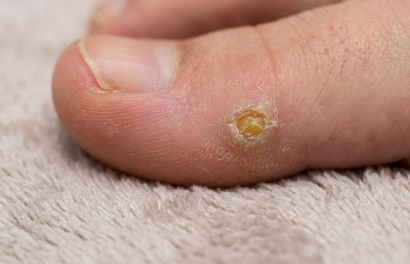
Corns are thickened layers of skin that develop as a protective response to excessive pressure or friction. They are most commonly found on the tops and sides of the toes, as well as on the soles of the feet. According to the American Academy of Dermatology (AAD), corns are often cone-shaped, with the pointed end facing inward, pressing against deeper layers of skin, which can cause significant pain.
Corns are similar to calluses but are generally smaller, harder, and more painful. They often develop in non-weight-bearing areas of the foot, such as between the toes or on the tops of the toes, and are particularly common in people who wear tight or poorly fitting shoes.
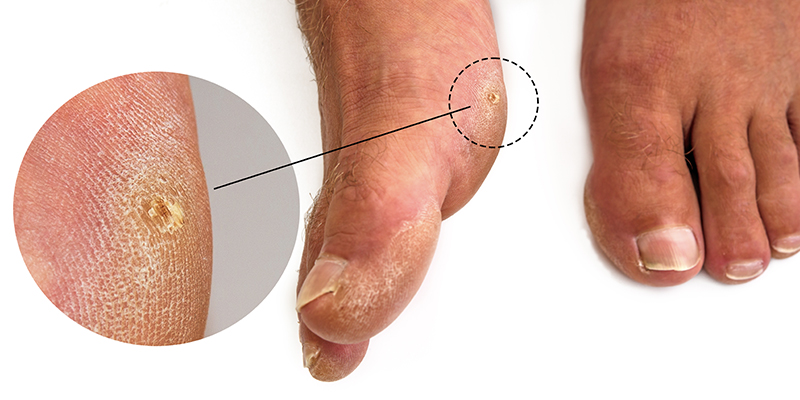
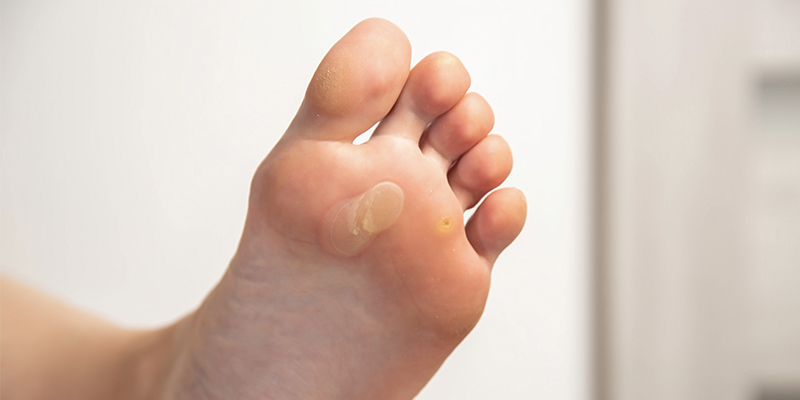
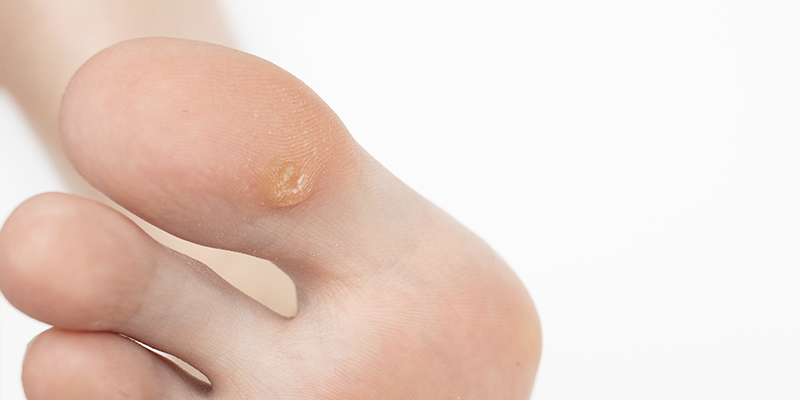
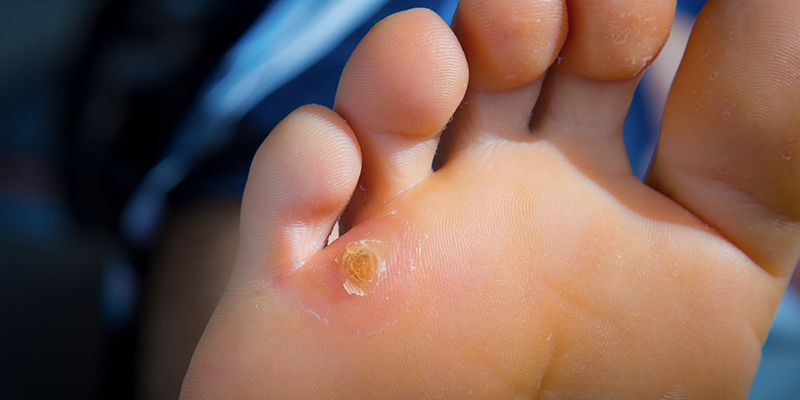
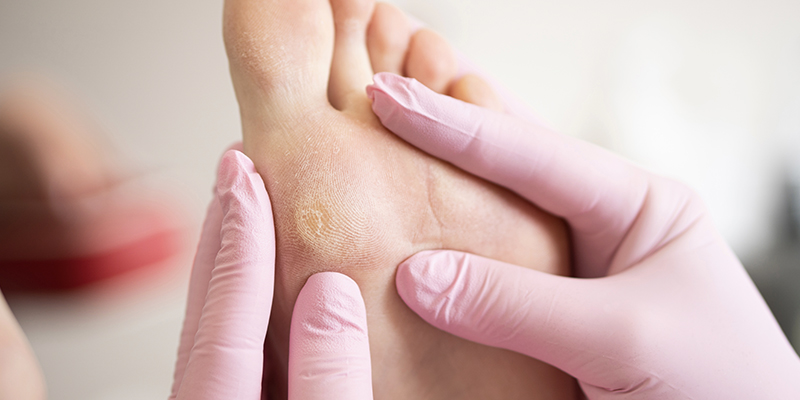
Photos of Corns
Causes of Corns
The primary cause of corns is repeated pressure or friction on the skin. This can occur due to a variety of factors:
- Ill-Fitting Footwear: Shoes that are too tight, too loose, or have high heels can compress areas of the foot, leading to increased friction and the formation of corns. According to the Mayo Clinic, high-heeled shoes can squeeze the toes, while loose shoes may cause your foot to slide and rub against the shoe, both of which contribute to corn formation.
- Toe Deformities: Conditions such as hammer toe or bunions can cause abnormal pressure on specific areas of the foot, leading to the development of corns. These deformities alter the way the foot fits in a shoe, increasing the likelihood of pressure points and friction.
- Lack of Socks: Wearing shoes without socks or with poorly fitting socks can increase friction against the skin, resulting in corns.
- Physical Activity: Repetitive activities such as running or standing for long periods can place stress on the feet, leading to the development of corns.
Symptoms of Corns
The main symptoms of corns include:
- Thickened, Hardened Skin: Corns appear as small, concentrated areas of thickened, hard skin. They are typically round or cone-shaped and can vary in size.
- Pain and Tenderness: Corns can cause pain or tenderness, especially when pressure is applied, such as while walking or wearing shoes. The pain is often sharp, due to the pressure of the corn pressing into the underlying tissues.
- Dry, Flaky Skin: The skin over a corn may be dry, flaky, or rough to the touch. In some cases, the skin may even crack, leading to additional discomfort.
Types of Corns
Corns can be classified into three main types:
- Hard Corns: The most common type, hard corns, are dense, concentrated areas of dead skin, typically found on the tops of toes where the skin is subjected to the most pressure.
- Soft Corns: These are softer and have a rubbery texture, usually appearing between the toes where the skin is moist from sweat. They are often the result of bones pressing together.
- Seed Corns: These are small, usually painless corns that form on the bottom of the feet. Seed corns are typically caused by dry skin and do not result from pressure.
Treatment Options for Corns
Treating corns primarily involves relieving the pressure and friction that caused them in the first place. Here are some common treatment methods:
- Footwear Adjustments: The first line of treatment is often changing to properly fitting shoes that provide enough room for your toes. The American Podiatric Medical Association (APMA) recommends avoiding high heels and shoes with narrow toe boxes to reduce pressure on the feet.
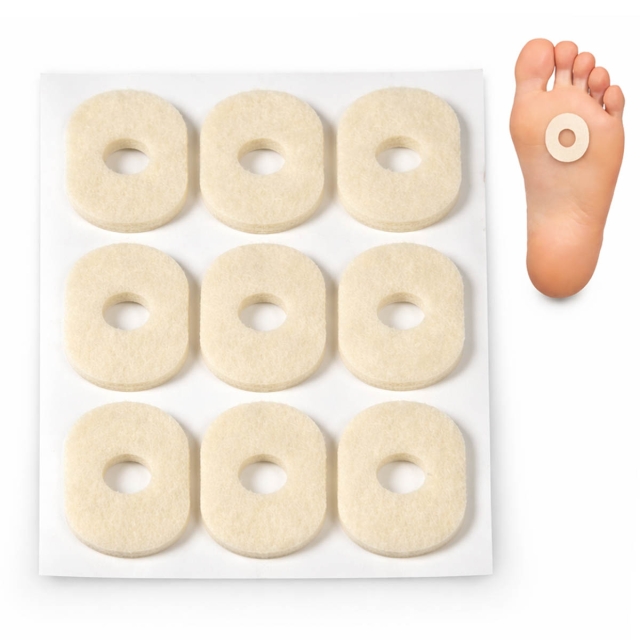
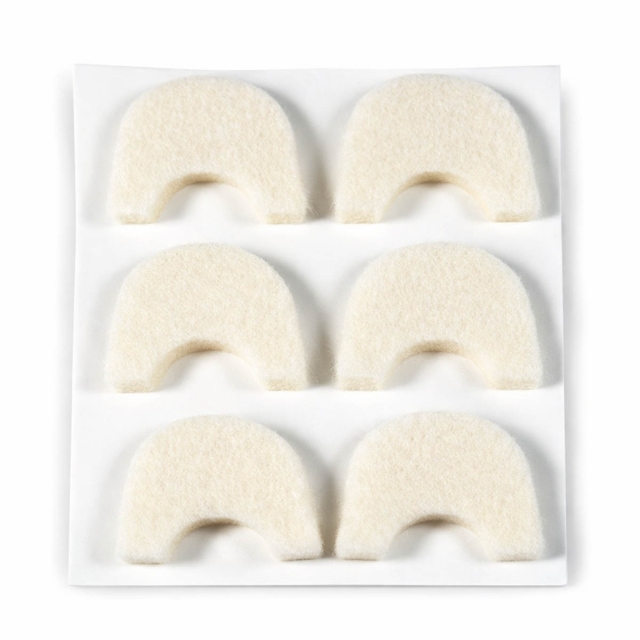
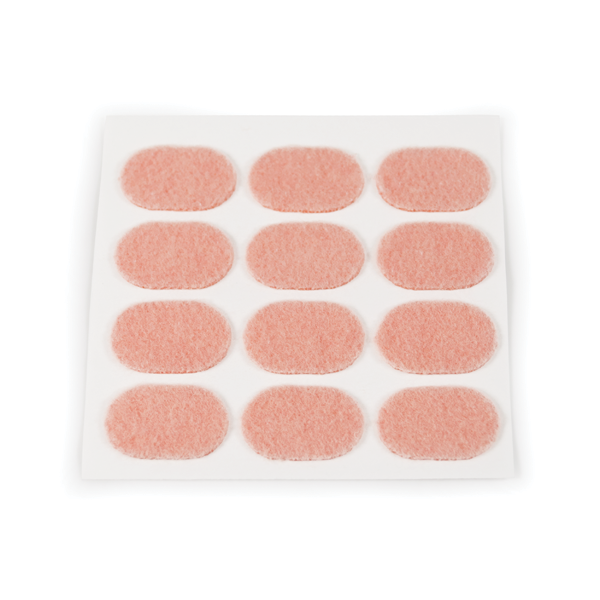
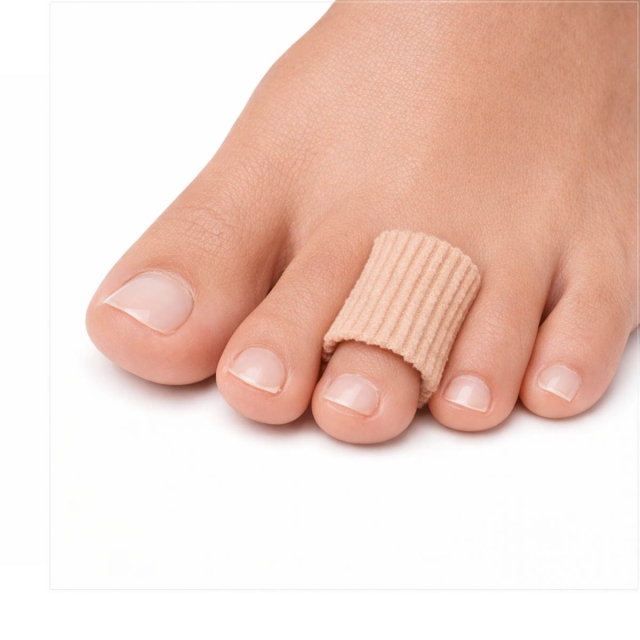
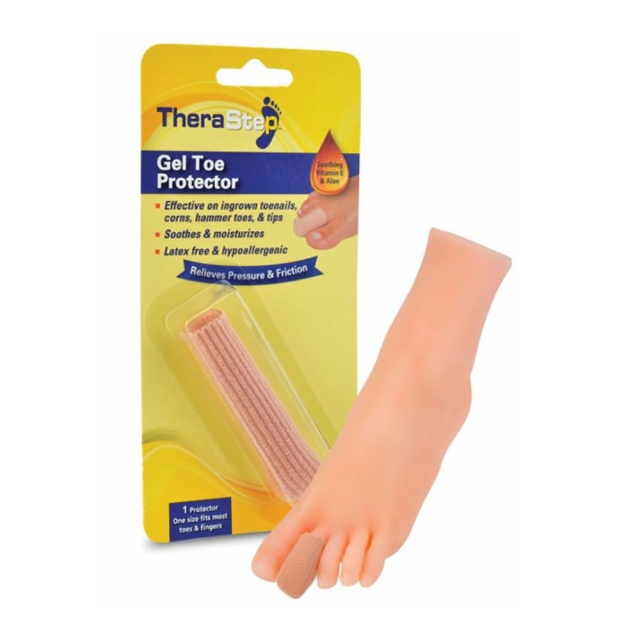
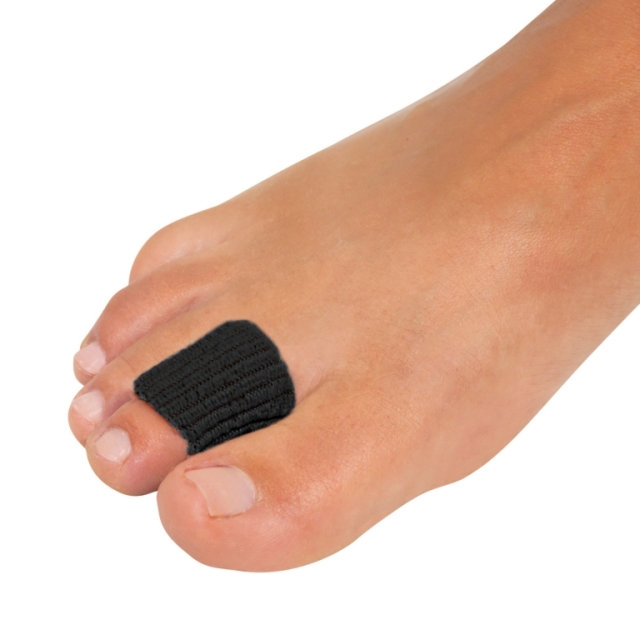
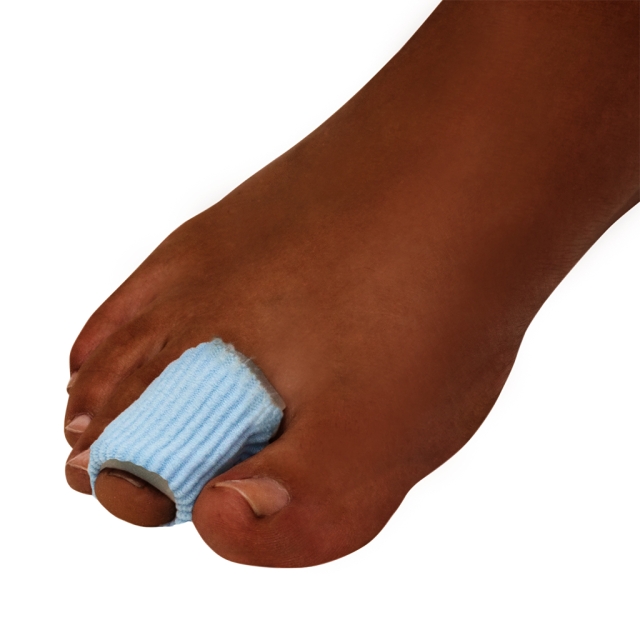
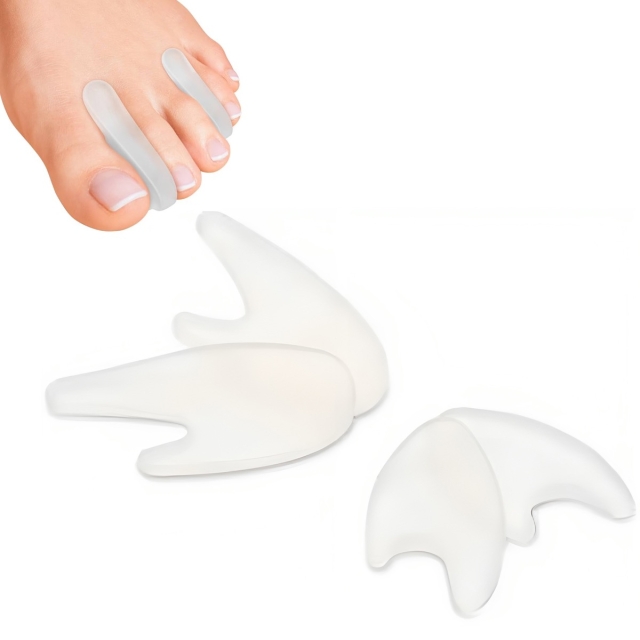
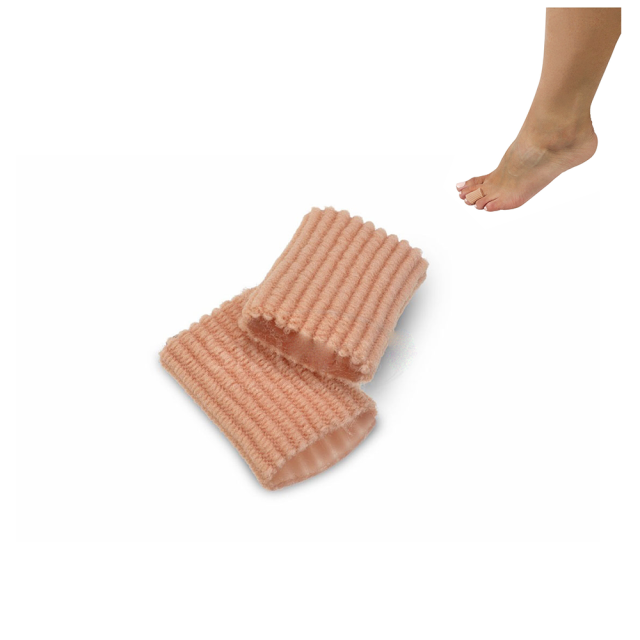
- Padding and Cushioning: Use non-medicated corn pads or cushioned insoles to reduce pressure on the affected areas. These can help protect the skin and allow the corn to heal over time.
- Moisturising the Skin: Keeping the skin soft and hydrated can help prevent the hardening that leads to corns. Regularly applying a moisturising lotion to your feet can reduce the risk of developing corns, especially if you have dry skin.
- Over-the-Counter Treatments: Corn removal treatments often contain salicylic acid, which helps dissolve the thickened skin. However, these should be used with caution, particularly in individuals with sensitive skin or conditions like diabetes, as they can cause irritation or damage to healthy skin.
- Professional Treatment: If corns are persistent or causing significant pain, it’s advisable to see a podiatrist. A healthcare professional can safely trim away the thickened skin and provide advice on how to prevent corns from recurring.
Prevention of Corns
Preventing corns involves reducing the friction and pressure on your feet. Here are some preventive measures:
- Wear Properly Fitting Shoes: Choose shoes that fit well and provide enough room for your toes to move freely. Avoid shoes that are too tight or have high heels.
- Use Protective Padding: Apply protective padding to areas of your feet that are prone to corns, such as the tops of your toes and the balls of your feet.
- Maintain Good Foot Hygiene: Keep your feet clean and dry, and regularly moisturise to prevent dry, cracked skin.
Conclusion
Corns are a common but often painful condition resulting from repeated pressure and friction on the feet. While they can usually be managed with proper footwear, protective padding, and good foot care, persistent or painful corns may require professional treatment. By understanding the causes and taking preventive measures, you can reduce your risk of developing corns and maintain healthy, comfortable feet.
References
- American Academy of Dermatology (AAD). "Corns and Calluses." Dermatology A-Z
- Mayo Clinic. "Corns and Calluses." Mayo Clinic
- American Podiatric Medical Association (APMA). "Foot Conditions: Corns." APMA
- National Institute of Health (NIH). "Corns and Calluses." NIH
Looking for Algeos Podiatry Supplies? Buy Algeos Podiatry Products here →
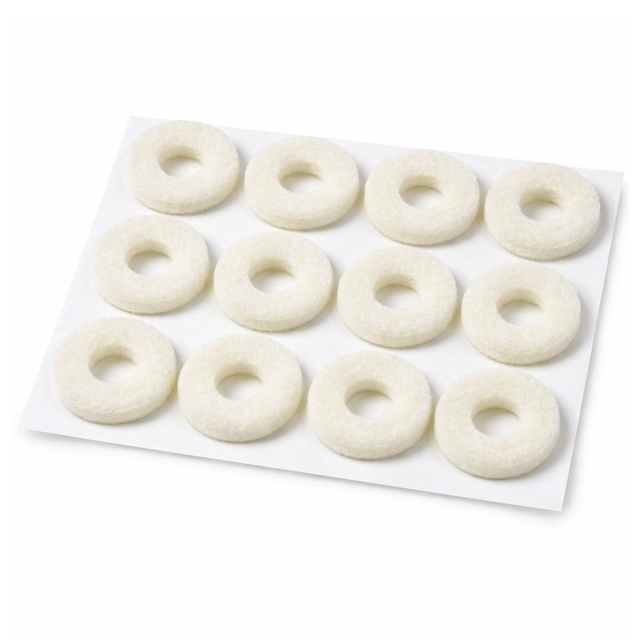
Sold: Pack of 36
Incl. VAT Exl. VAT