



Practical guide for clinicians, technicians and informed consumers
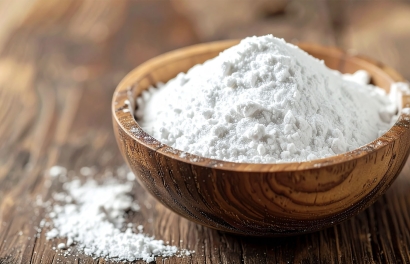
French chalk looks humble yet it earns a place in clinics, workshops, studios and at home. Used well it is a clean, non-abrasive way to mark, separate, dry and lubricate surfaces with minimal fuss.
Below is a concise guide to help you decide when to reach for French chalk and how to get the best from it.
Definition - French chalk
- Also known as
- Talc - Magnesium Silicate - Steatite - Soapstone - Talcum
- What it is
- A fine, soft, non-abrasive mineral powder or compact stick made from hydrated magnesium silicate. It is hydrophobic, chemically inert in most everyday contexts and has a silky slip that reduces friction while lightly absorbing surface oils and moisture.
- Typical forms
- Powder for dusting - compact sticks or blocks for marking and rubbing into tool teeth
- Common domains
- Textiles and tailoring - orthotics and podiatry - jewellery and metalwork - lithography and printmaking - mould release and composites - household maintenance
How it works - why it matters
At particle level talc platelets slide over one another which gives French chalk a low shear strength and a soft, soapy feel. This makes it a gentle solid lubricant that reduces friction between surfaces without oils or greases.
It is hydrophobic so it will not dissolve in water and it resists caking when stored dry. These traits explain why a tiny dusting can prevent sticking, ease sliding components and release moulded parts cleanly.
French chalk also shows modest surface absorbency which helps lift fresh grease from fabric or metal and it contributes to degreasing steps before finishing. In food technology tightly specified talc appears as additive E553b where it acts as an anti-caking and release agent under defined conditions which underlines its inertness when used appropriately. See EFSA re-evaluation of talc E553b EFSA Journal.
What users say
Tool care - Jewellery and watch technicians rub French chalk into file teeth before work which helps prevent pinning and keeps the cut clean. This simple habit reduces clogging and shortens cleanup time. Trade guidance: Cousins UK.
Studio and print - Art suppliers list French chalk for lithography and general studio use where a fine dusting assists plate prep or acts as a dry lubricant on contact points. See T N Lawrence.
Everyday fixes - A light dusting on sticky drawers, zips, or hinges can restore smooth movement without leaving an oily trace which is handy in clinical spaces where grease is unwelcome. Product usage examples: Algeos.
Step-by-step guide - seven common scenarios
1) Tailoring - clear temporary marking
- Choose a compact stick or pencil format for better line control.
- Test on a fabric offcut and check removal with a soft brush or a quick rinse.
- Mark seam allowances and darts with light strokes and avoid heavy pressure on pile fabrics.
- After stitching brush away residue or wash as usual.
2) Files and rasps - stop pinning before it starts
- Before cutting take a French chalk stick and rub across the file face to load the tooth pockets thinly.
- Tap or brush to remove loose crumbs and begin filing.
- Refresh the chalk when the tool begins to grab and clean with a file card at the end.
3) Mould release - composites and small castings
- Ensure the mould is clean and dry then dust a very thin, even coat of powder.
- Blow off excess with gentle air and aim for a satin veil rather than visible patches.
- Demould with steady pressure and brush away residue before finishing. Industrial uses noted by Astrra Chemicals.
4) Degreasing pre-finish - metals and print plates
- After a solvent wipe and while the surface is dry sprinkle a pinch of powder.
- Massage with lint-free cloth to pull residual oils then brush off completely.
- Proceed to etch, paint, or print ground as planned and avoid finger marks.
5) Lubricating small mechanisms - zips, runners, hinges
- Place a tiny amount on a fingertip or cotton bud and work into the contact surfaces.
- Cycle the part several times to distribute then wipe away visible powder.
- Reapply when movement becomes hesitant and keep away from open bearings that require oil. Practical note echoed on Algeos.
6) Fabric grease spots - first response
- For fresh oil marks lay the fabric flat and lightly cover the spot with French chalk.
- Leave for 10 to 20 minutes so powder wicks surface oil.
- Brush off and launder according to garment care. Repeat if needed before washing.
7) Foot orthotics and clinic housekeeping
- Use a light dusting as a dry release on EVA moulds and hand tools where adhesives might grab.
- Dust bench runners or drawers to keep movement smooth without silicone residues.
- Store powder closed and dry which prevents clumping and keeps dosing predictable.
Comparisons - picking the right material for the job
| Material | Strengths | Limitations | Best uses |
|---|---|---|---|
| French chalk | Dry, clean slip - non-abrasive - hydrophobic - inexpensive - easy cleanup | Dust can be messy if over-applied - not a heavy-duty lubricant | Marking textiles - file tooth loading - light lubrication - mould release |
| Tailor’s wax | Crisp lines - good visibility on some fabrics | May smear with heat - not absorbent - removal can be harder | Fine garment marking where lines must stay put |
| Graphite pencil | Precise lines on light substrates - cheap | Often permanent - can bruise delicate fibres | Workshop layout lines away from show faces |
| Grease or oil | High load lubrication - corrosion barrier | Messy - attracts dust - unsuitable in clean clinical zones | Bearings and high load mechanisms |
| PTFE dry sprays | Very low friction - long lasting film | Aerosol handling - overspray risk - more costly | Moving parts that run warm or fast |
| Cornstarch | Readily available - decent absorbency | More hygroscopic - can cake - weaker slip | Temporary moisture pickup on fabrics or skin |
FAQ
Is French chalk the same as talc
Yes in common use French chalk refers to talc which is hydrated magnesium silicate. Art suppliers explicitly label it as magnesium silicate or talc. See Handover and Jackson’s Art.
Is it safe to handle in clinics and workshops
Normal handling is widely accepted in trade and studio settings. Avoid creating airborne dust and use modest quantities. For food contexts talc is regulated as E553b with safety periodically reviewed by EFSA which signals a conservative stance on purity and use. EFSA review: EFSA Journal.
Can I use French chalk on patient-contact devices
Use only if it does not transfer to skin or compromise adhesives and ensure your quality system permits it. Where release is required a very light dusting on jigs or moulds can help and you should clean patient-contact surfaces before use.
Will it stain fabrics
It is non-abrasive and usually brushes away cleanly. Dark or tightly woven fabrics may hold a faint cast if over-applied so test first on a scrap and use the lightest mark that does the job.
What grade or form should I buy
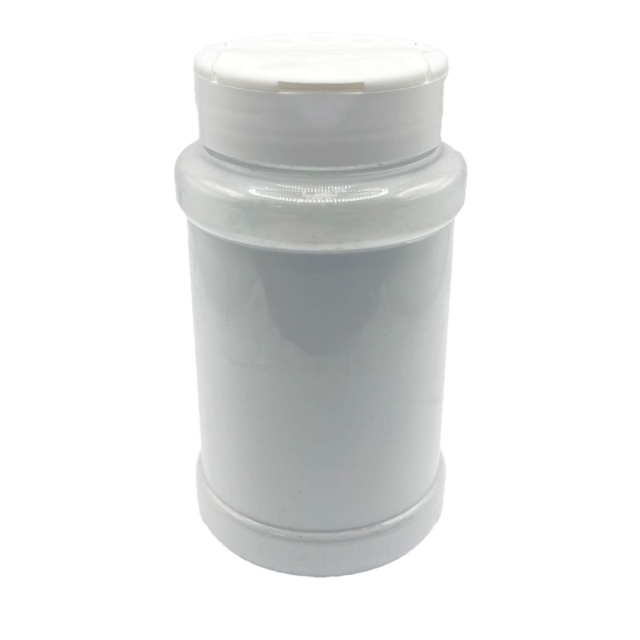
For marking choose sticks or compact blocks. For dusting and release choose a fine powder with a closable jar. Trade suppliers describe both forms and typical uses clearly. Examples: Algeos - Cousins UK.
Is talc ever used around food
Food-grade talc is permitted in defined applications in the EU as E553b where it acts as an anti-caking or release aid. This is not a blanket approval for any use and you must source food-grade material if you work in that domain. Reference: EFSA.
Storage and shelf life
Keep the container sealed and dry. If the powder compacts break up gently with a spoon and sift if needed. Properly stored French chalk remains serviceable for years.
Clinical and workshop cautions
- Use small amounts and avoid creating clouds of dust in enclosed spaces.
- Keep away from active adhesive bonds since talc can weaken fresh glue lines.
- Do not substitute cosmetic talc for technical tasks or vice versa unless the grade and purity match your risk assessment.
References and research sources
- Algeos - Pure Natural French Chalk Talc. Practical uses and format options. https://www.algeos.com/french-chalk
- Handover - French Chalk. Notes on identity as magnesium silicate and studio uses. https://www.handover.co.uk/handover-french-chalk/
- Cousins UK - French chalk for file care and anti-pinning. https://www.cousinsuk.com/category/chalk
- Astrra Chemicals - French Chalk Powder A1. Industrial uses including coatings and moulding. https://astrrachemicals.com/product/french-chalk-powder-a1/
- EFSA Journal 2018 - Re-evaluation of magnesium silicate E553a and talc E553b as food additives. https://www.efsa.europa.eu/en/efsajournal/pub/5375
- T N Lawrence & Son - Handover French Chalk for lithography. https://www.tnlawrence.com/handover-french-chalk-1000g
- Jackson’s Art - French Chalk product overview. https://www.jacksonsart.com/handover-french-chalk
Links verified on 10 October 2025.
Sold: 300g
Incl. VAT Exl. VAT