SHOW PRICES WITH OR WITHOUT VAT? MANY BUSINESS CUSTOMERS PREFER TO VIEW PRICES EXCLUDING VAT.
0151 448 1228 (UK)



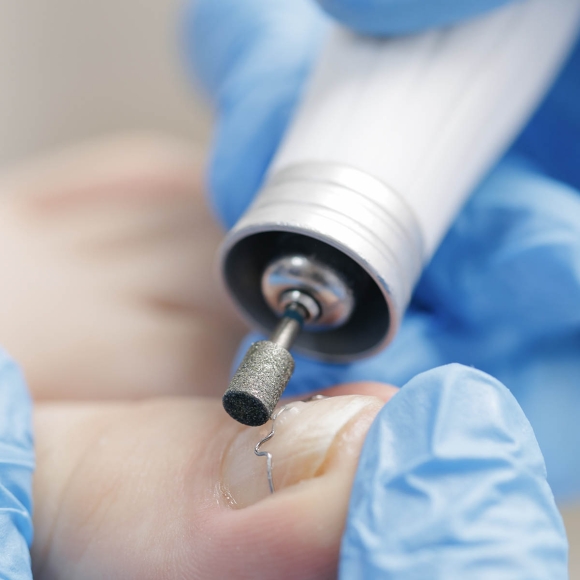
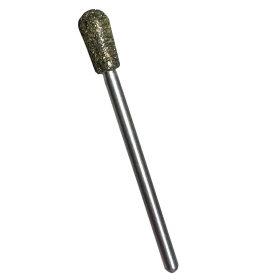

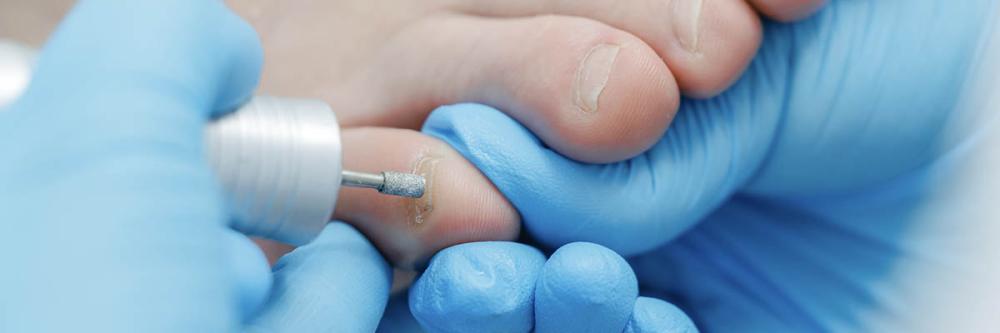
Foot and Nail Care Drills - Algeos Buyers Guide
Podiatry drills are a cornerstone of modern foot-care practice. For foot health professionals, they deliver speed, precision and consistency. Used daily to deal with thick nails, smoothing calluses or managing corns.
Choosing the right drill isn’t just about speed - it affects patient comfort, dust safety, infection control and practitioner ergonomics.
Why Drill Speed, Motor Type and Method Matter
- Speed & torque - High rotation speeds (up to 40,000 RPM) allow quick, smooth reduction of tough materials such as thick nails or dense callus. Lower speeds offer greater control, reducing risk of soft-tissue damage or excessive heat build-up. [Algeos: Podiatry drills – what you need to know]
- Technique: Dry (dust-extraction) vs Wet (water-spray) - Dust-extraction drills use suction to collect nail/skin debris, reducing airborne dust. Spray drills emit a fine water mist to cool the work area and suppress dust at source. Both reduce inhalation risk and cross-contamination, though proper PPE and ventilation remain essential. [PodiatrySupplies: What are podiatry nail drills?]
- Ergonomics, noise & hygiene - A lightweight, well-balanced handpiece reduces practitioner fatigue and improves control. Brushless motors run quieter and with less vibration. A minimal design helps with cleaning/sterilisation - crucial for infection control and durability. [Algeos – Best Podiatry Drills UK 2025]
Drill Types from Algeos
| Drill Model | Type & Speed | Best For / Highlights |
|---|---|---|
| Nova Precision V400 | Dust-extraction, up to 40,000 RPM | High-speed precision work: thick nails, hard callus - where speed and suction matter. |
| Nova Precision V320 | Dust-extraction, ~30,000 RPM | Balanced control and speed - suitable for a broad range of routine procedures. |
| SUDA Vac S | Dust-extraction, up to 40,000 RPM; silent motor | Quiet, powerful suction drill - ideal if noise control or patient comfort is a priority. |
| SUDA Podospray PDL 40 | Water-spray (wet) drill, 40,000 RPM | Cooling, debris control and comfort - especially useful for callus and skin work. [Algeos – spray & dust-extraction drills] |
| SUDA Sprint 50 Silent Power | Dust-extraction, ~25,000 RPM | Lower-speed, quieter, ergonomic option - handy for general foot-care and sensitive-nail tasks. |
When to Choose Which Drill
High-speed Dust Extraction Drills (35,000–40,000 RPM)
Best for thick or hardened nails, heavy callus, and fungal-nail reduction (onychauxis/onychogryphosis), or when you need efficient removal with minimal bur-stalling. Suction immediately removes debris — vital for infection control and reducing airborne nail dust. [PodiatristClinic – Dust Extraction Drill guide]
Medium-speed Drills (25,000–35,000 RPM)
Useful for general podiatry tasks — nail filing, moderate callus reduction, maintenance work — where control and safety matter more than speed. Lower risk of tissue damage and heat build-up, especially on sensitive patients or thin skin.
Water-spray (Wet) Drills
Ideal when patient comfort, cooling and dust suppression are top priorities — for example, callus smoothing, corn work or skin-surface procedures. The fine spray reduces friction and heat, improving comfort and allowing smoother burr movement. [PodiatrySupplies – Guide to Podiatry Spray Drills]
Also helpful in settings that are sensitive to dust - e.g. fungal-nail cases, recurring patients or where suction isn’t preferred.
Other Important Features
- Handpiece ergonomics & weight: A slim, lightweight handpiece (~100–150 g) reduces fatigue during long sessions. Comfortable grip and glove-friendly controls make repetitive tasks easier and safer. [Algeos – Best Podiatry Drills UK 2025]
- Motor type & maintenance: Brushless motors (in both micromotor and suction units) run quieter, generate less vibration, and require less maintenance than brushed motors (no carbon brushes to replace). [Nova Precision V400 specifications]
- Dust extraction and filter hygiene: For suction drills — dust collection systems must be well-designed: stable suction hoses, multi-layer filter bags, clear full-bag indicators; easy bag change helps avoid spills and contamination. [PodiatristClinic – dust-extraction drill requirements]
- Water line hygiene (for spray drills): Use distilled water (or purpose-made water/disinfectant mixes); regular water-tank cleaning, line maintenance and disinfectant use are essential to avoid bacterial or fungal build-up. [PodiatrySupplies – spray drill care]
- Compliance & sterilisation: Always choose drills that meet medical device standards (e.g. CE / UKCA), and use autoclavable handpieces where required - especially in medical or semi-critical environments. [Nova Precision V400 details]
Clinical & Safety Considerations
Working with podiatry drills isn’t just about performance - it’s also about health and safety. Nail dust can contain keratin particles, microbial debris and viable fungal spores (e.g. dermatophytes). If inhaled, these can cause respiratory problems, sensitisation or even infection.
Eye and mucous-membrane exposure to dust fragments poses additional risks. Even with dust-extraction or water-spray systems, a portion of dust may remain airborne, so appropriate PPE (respirator mask, protective eyewear) and adequate ventilation are essential. [Occupational hazards of human nail dust]
Moreover - correct cleaning, sterilisation and maintenance of drills (handpiece, suction hoses, water-lines, filters/bags) is fundamental to prevent cross-contamination between patients. [Algeos – drill hygiene & maintenance]
Best Practice: Matching Drill Spec to Your Clinical Needs
- High-volume clinics or heavy nail work (e.g. fungal nails, thick or deformed nails) → Use a high-speed dust-extraction drill (e.g. Nova Precision V400 or SUDA Vac S) to maximise efficiency and minimise dust.
- Mixed clinic work (nail, callus, skin, maintenance) → Keep a mid-speed drill (Nova V320 or SUDA Sprint 50) for routine work; complement with a water-spray drill for skin/callus tasks.
- Patient comfort and sensitive skin / soft tissue procedures → Opt for water-spray drills to reduce heat and friction; or use silent-motor suction drills for noise-sensitive environments.
- Mobile / home-visit practitioners / domiciliary use — If portability is needed, lighter battery drills may be considered; note they often lack suction or spray and may be limited to lighter duties. [PodiatrySupplies – domiciliary drill guide]
Invest in quality for maximum ROI
Podiatry drills are powerful tools, but their value goes far beyond 'faster nail filing'. The right drill carefully matched to your clinical needs, infection-control protocols, patient comfort and practice workflow can improve precision, safety, hygiene, and overall efficiency.
Whether you’re removing fungal or thick nails, smoothing calluses or maintaining regular foot health, understanding the differences between dust-extraction and spray systems and the importance of speed, ergonomics, maintenance will help you choose the optimal tool.
For a modern foot-care practice (especially under UK regulations around hygiene and dust safety) investing in quality, compliant, well-maintained equipment pays off for both practitioner and patient.
Sold: Each
Incl. VAT Exl. VAT