




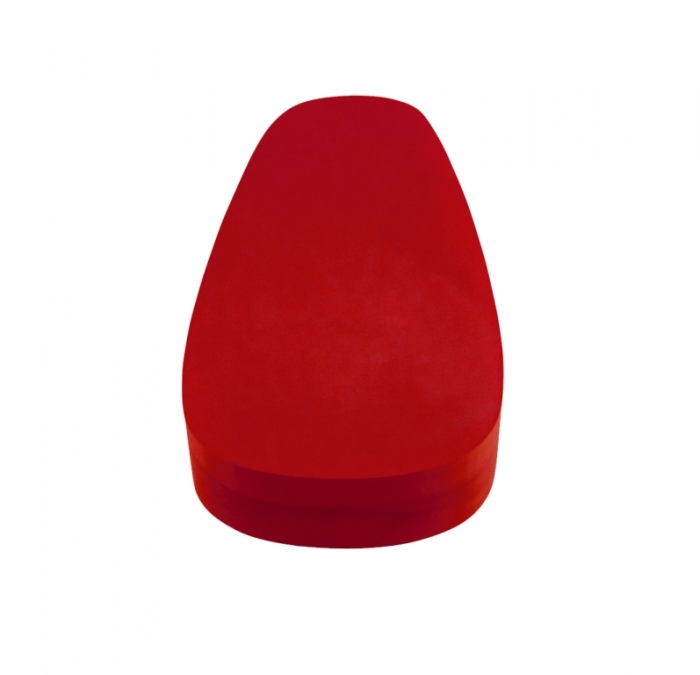
Aortha DieCut Blocks for CAD-CAM Foot Orthotics
Die-cut and ready to use with your current CAD-CAM milling station.
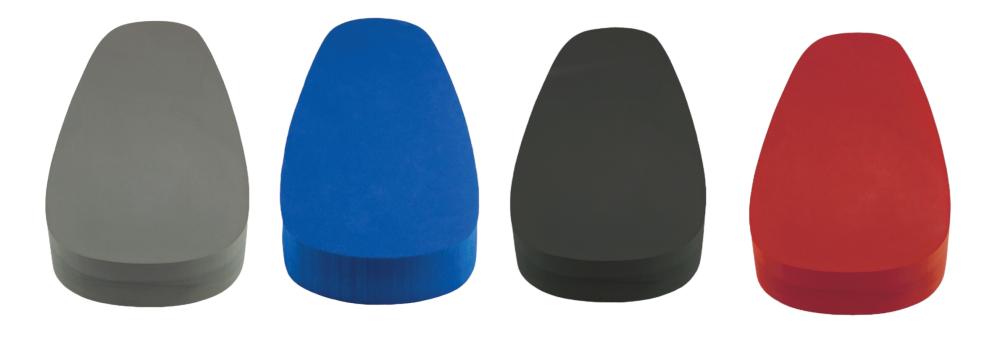
Duck shapes are available in different densities and colours to suit your requirements.
Sold: Per Pair
Incl. VAT Exl. VAT
Product Description
Pre-Cut EVA Orthotic Blanks for Foot Orthotic Production
Precision die-cut EVA “duck shape” blanks designed for efficient CAD-CAM milling of custom foot orthoses.
Best for: Clinics, labs, and manufacturers using CAD-CAM milling systems for custom orthotic production.
Not ideal for: Hand-lasted orthoses without milling equipment or highly specialised shapes requiring non-standard block formats.
- Supplied in matched pairs
- Available in multiple densities and colours
- Designed to fit most established milling systems
What is it?
Aortha DieCut Blocks are pre-cut EVA orthotic blanks manufactured specifically for use with CAD-CAM milling systems. Often referred to as “duck shapes,” these blanks are shaped to maximise material efficiency and compatibility with common orthotic milling stations.
Produced from trusted Aortha EVA formulations, these blanks provide consistent density, reliable milling performance, and predictable finished orthotic outcomes. By supplying material in a pre-cut format, fabrication time can be reduced and material waste kept under control.
Each pair is supplied ready for secure mounting onto a milling platform using double-sided tape or a compatible adapter frame, depending on your system setup.
Who is it for?
Aortha DieCut Blocks are intended for professional and semi-professional orthotic manufacturing environments. They are particularly suited to:
- Orthotists and prosthetists producing custom foot orthoses
- Orthotic technicians and fabrication laboratories
- NHS and private hospital workshops
- Podiatry clinics with in-house CAD-CAM capability
- Sports podiatrists and MSK clinics offering custom devices
- Footwear and insole product developers
- Universities and training institutions teaching digital orthotic workflows
- Medical device manufacturers requiring consistent EVA blanks
They are appropriate for both high-volume production facilities and smaller clinical setups operating compact milling units.
What is it used for?
Aortha DieCut Blocks are used as the base material for milling bespoke foot orthoses using digital CAD designs. Once secured to the milling station, the block is shaped to match the prescribed orthotic geometry.
Applications
- Custom functional foot orthoses
- Accommodative orthotic devices
- Sports performance insoles
- Diabetic and at-risk foot orthoses (where EVA is clinically appropriate)
- Paediatric orthotic devices
- Prototype insole development
- Research and educational training models
Characteristics
- Manufactured from Aortha EVA formulations
- Available in multiple density options to suit clinical requirements
- Supplied in practical blank sizes aligned to common footwear sizing
- Compatible with most established CAD-CAM milling systems
- Can be secured using double-sided tape or adapter frames
- Eco-conscious manufacturing with certified recycled content standards
Typical Users
- Clinical practitioners prescribing custom orthoses
- Technicians responsible for CAD design and CAM production
- Footwear developers integrating orthotic platforms
- Training institutions teaching digital orthotic workflows
How to work with it
- Select the appropriate blank size and density for the prescription
- Secure the blank firmly to the milling bed
- Verify alignment and zero reference points before milling
- Mill according to your validated CAD file parameters
- Finish and post-process as required for top covers or modifications
Expected Use Timeline
First use
Once mounted correctly, the blank can be milled immediately. Clinicians and technicians familiar with their milling system should experience standard workflow times consistent with their equipment capability.
Ongoing use
Over weeks and months of use, consistency of density and block quality supports predictable milling outcomes. Device longevity will depend on prescription, patient weight, activity level, footwear choice, and finishing materials applied after milling.
No orthotic material is permanent. EVA performance will gradually change under repeated load and environmental exposure, and replacement intervals should follow normal clinical review protocols.
Problem → Solution
| Common problem | How the product helps |
|---|---|
| Inconsistent block dimensions causing alignment issues | Die-cut blanks provide a standardised format designed for repeatable positioning on milling stations. |
| Excessive material waste from rectangular stock blocks | Pre-shaped “duck” format optimises material usage for orthotic milling profiles. |
| Uncertain density performance in finished orthoses | Clearly defined density options allow selection based on patient weight, activity level, and prescription type. |
| Compatibility concerns with existing CAD-CAM systems | Designed to fit most established milling systems or custom adapter frames. |
| Need for more sustainable material sourcing | Manufactured under certified recycled content standards supporting responsible sourcing and traceability. |
Key Benefits
- Pre-cut format reduces preparation time before milling
- Multiple density options to match functional or accommodative prescriptions
- Supplied in matched pairs for streamlined workflow
- Compatible with most mainstream CAD-CAM milling systems
- Manufactured under recognised recycled content certification standards
- Suitable for clinical, laboratory, and educational settings
Common Mistakes to Avoid
- Selecting a density without considering patient weight, activity level, or footwear environment
- Failing to secure the blank firmly before milling, which may affect accuracy
- Assuming EVA density alone determines orthotic performance without considering design geometry
- Using worn milling tools that may compromise surface finish and dimensional accuracy
How to Work With Aortha DieCut Blocks
- Review the prescription and determine required orthotic stiffness and thickness profile.
- Select the appropriate blank size based on footwear size guidance.
- Choose the correct density according to clinical need.
- Attach the blank securely to the milling bed using double-sided tape or a compatible adapter frame.
- Confirm correct orientation before initiating the milling cycle.
- Run the milling program following your equipment manufacturer’s standard operating procedures.
- Inspect the finished orthosis for accuracy and surface quality.
- Add top covers, postings, or finishing modifications as required.
Technical specifications
| Specification | Details |
|---|---|
| Material | Aortha EVA foam |
| Blank format | Die-cut “duck shape” orthotic blanks |
| Density options (kg/m³) | A25 = 150 A35 = 210 A50 = 340 A65 = 470 |
| Blank sizes | Small, Medium, Large |
| UK size guide | Small: 3–5 Medium: 6–10 Large: 11+ |
| EU size guide | Small: 36–38 Medium: 40–45 Large: 46+ |
| Colours | Varies by density and availability |
| Pack contents | Supplied in pairs |
| System compatibility | Designed to fit most CAD-CAM milling systems or custom adapter frames |
| Mounting method | Double-sided tape or compatible milling adapter frame |
| Environmental standards | Manufactured under Recycled Claim Standard (RCS) and Global Recycled Standard (GRS) certifications (minimum 20% recycled content with traceability process) |
Frequently Asked Questions
Are these blanks compatible with all milling machines?
They are designed to fit most established CAD-CAM milling systems. Users should confirm compatibility with their specific machine or adapter frame before ordering.
How do I choose the correct density?
Density selection depends on clinical prescription, patient weight, activity level, and footwear type. Higher densities generally provide increased firmness, while lower densities may offer greater cushioning.
Are the blanks supplied individually or in pairs?
They are sold in pairs, supporting efficient production of left and right orthoses.
Can these be used for diabetic or at-risk patients?
EVA may be appropriate in certain diabetic or pressure-sensitive applications, depending on density and design. Clinical judgement should always guide material selection.
Do the recycled certifications affect performance?
The recycled content is verified through recognised standards. Material performance is designed to remain consistent with professional orthotic manufacturing requirements.
Can I use my own mounting system?
Yes. Blanks can be secured using double-sided tape or integrated into compatible adapter frames depending on your milling setup.
Complementary Products
- Orthotic top cover materials (PORON®, EVA sheets, microfibre covers)
- Adhesives suitable for EVA bonding
- Grinding and finishing tools for orthotic edge refinement
- Posting materials for rearfoot and forefoot correction
- CAD design software and scanning systems

Written by: Algeos Product & Clinical Content Team
Last reviewed: February 2026
This content is provided for buyer guidance and product selection support. It is not a substitute for clinical training, diagnosis, or individual medical advice.
Frequently bought together
Sold: Sheet
Incl. VAT Exl. VAT
Sold: Sheet
Incl. VAT Exl. VAT
Sold: Sheet
Incl. VAT Exl. VAT
Sold: Each
Incl. VAT Exl. VAT
Sold: Each
Incl. VAT Exl. VAT
Sold: Pair
Incl. VAT Exl. VAT
Sold: Each
Incl. VAT Exl. VAT
Sold: Each
Incl. VAT Exl. VAT
Sold: Each
Incl. VAT Exl. VAT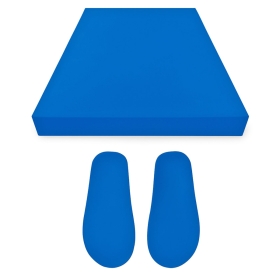
Sold: Each
Incl. VAT Exl. VAT
Sold: Each
Incl. VAT Exl. VAT
Sold: Each
Incl. VAT Exl. VAT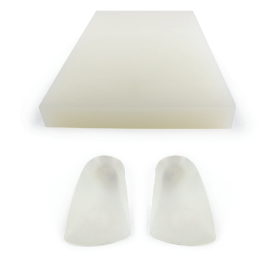

Sold: Per Pair
Incl. VAT Exl. VAT