



This clinical guide presents 101 evidence-informed facts to help clinicians and informed consumers understand how insoles work and why they matter.
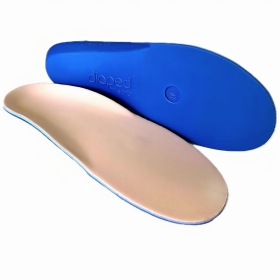
Trisorb Diabetic Insoles - Diabetic Cushioning InsolesÂŁ11.96 ÂŁ9.97
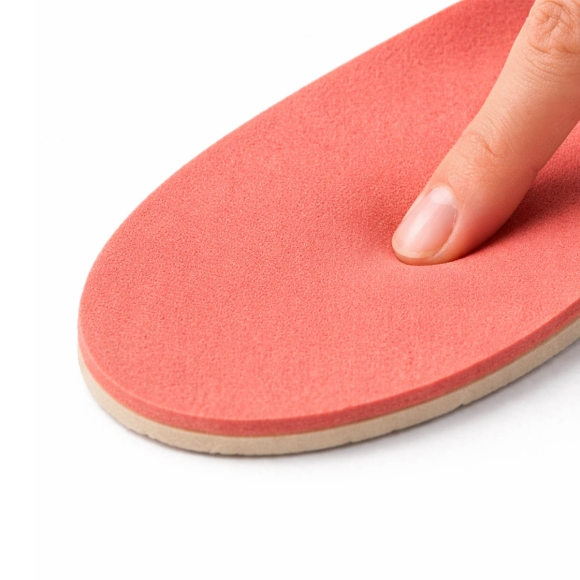
Our memory foam insoles are designed to add soft cushioning, improve shoe fit and provide lasting comfort throughout the day.
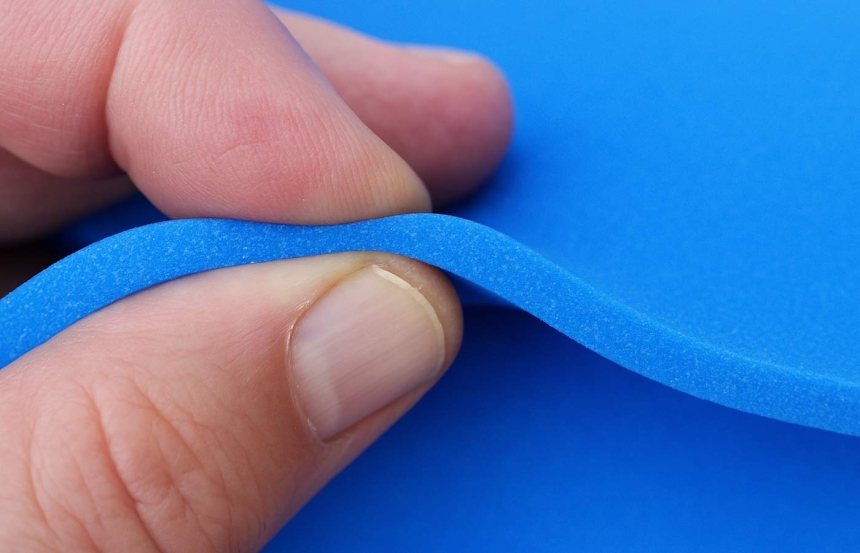
The responsive foam moulds to your feet for a more personalised feel, helping to reduce pressure and make everyday walking and standing more comfortable.
Perfect for daily wear, work shoes and leisure footwear, memory foam insoles offer extra shock absorption and underfoot support for anyone looking to improve comfort in their shoes.
All items in stock - delivery: 2-3 days.

Memory foam insoles are a popular choice for people who want extra softness, cushioning and everyday comfort in their shoes. Designed to mould gently to the shape of your feet, they can help improve fit, reduce pressure and make walking or standing for long periods more comfortable.
They are ideal for everyday footwear, work shoes and casual use, especially if you are looking for a simple way to add underfoot comfort. Whether you want to reduce foot fatigue, improve shoe comfort or add extra cushioning to tired feet, memory foam insoles are an easy and practical option.
When choosing memory foam insoles, think about the type of shoes you will be wearing them in and the level of comfort or support you want. Some styles are best for adding soft cushioning to everyday footwear, while others combine memory foam comfort with extra support features for more demanding use.
Memory foam insoles are a good choice for:
Yes, memory foam insoles are ideal for everyday use. They are designed to add soft cushioning, improve comfort and help make walking or standing for long periods feel easier.
Memory foam insoles add cushioning and help improve comfort inside your shoes. They mould gently to the shape of your feet, which can help improve fit, reduce pressure and provide a softer feel underfoot.
That depends on what you need. Memory foam insoles are often chosen for soft, all-round comfort and a more personalised feel, while gel insoles are usually preferred for targeted cushioning and shock absorption. Some people choose memory foam for general comfort and gel for higher-impact use.
Yes, they can help reduce foot fatigue by adding extra cushioning and helping to spread pressure more evenly across the sole of the foot. This can make a noticeable difference during long days on your feet.
Yes, memory foam insoles are often a great option for work shoes, especially if you stand or walk a lot during the day. They can help improve comfort, reduce underfoot pressure and make harder footwear feel more supportive.
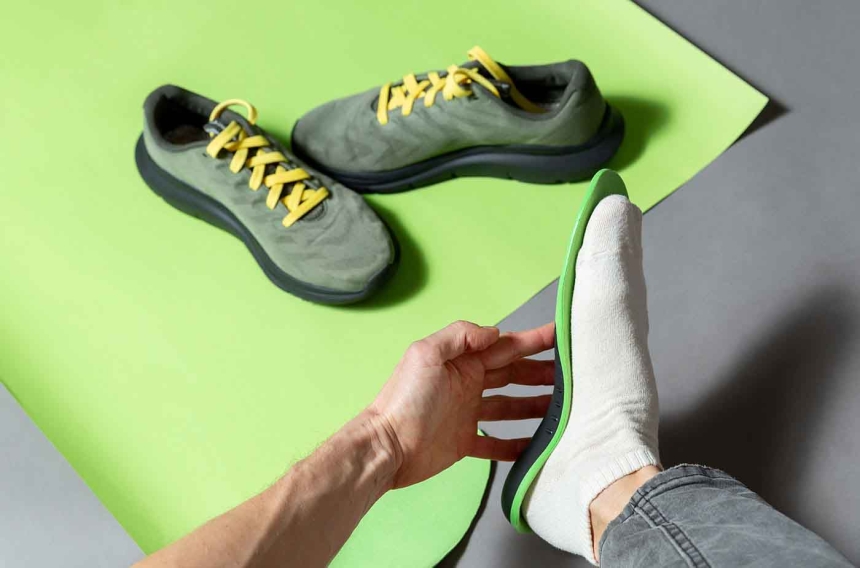
Yes, many memory foam insoles can be used in trainers as long as there is enough room inside the shoe. They are a simple way to add extra cushioning and comfort for walking, commuting and general daily wear.
In many cases, yes. Removing the original insoles can create more space and help the new insoles fit better. If the original insoles are fixed in place, choose a slimmer option to avoid making the shoes feel too tight.
Some memory foam insoles can be trimmed for a better fit, depending on the design. Always check the product details before cutting them, and trim gradually to match the shape of your shoe if needed.
This depends on how often they are worn, the type of footwear and the level of activity. As a general guide, many memory foam insoles last between 6 and 12 months before they begin to lose their cushioning.
In many cases, they can be cleaned by hand using mild soap and cool water. Allow them to air dry fully before putting them back in your shoes, and avoid direct heat as this can damage the material.
Memory foam insoles are best for cushioning and comfort. If you need more structured support for issues such as flat feet, overpronation or ongoing foot pain, you may be better suited to a more supportive insole or an orthotic style.
February 25, 2026
This clinical guide presents 101 evidence-informed facts to help clinicians and informed consumers understand how insoles work and why they matter.
February 09, 2026
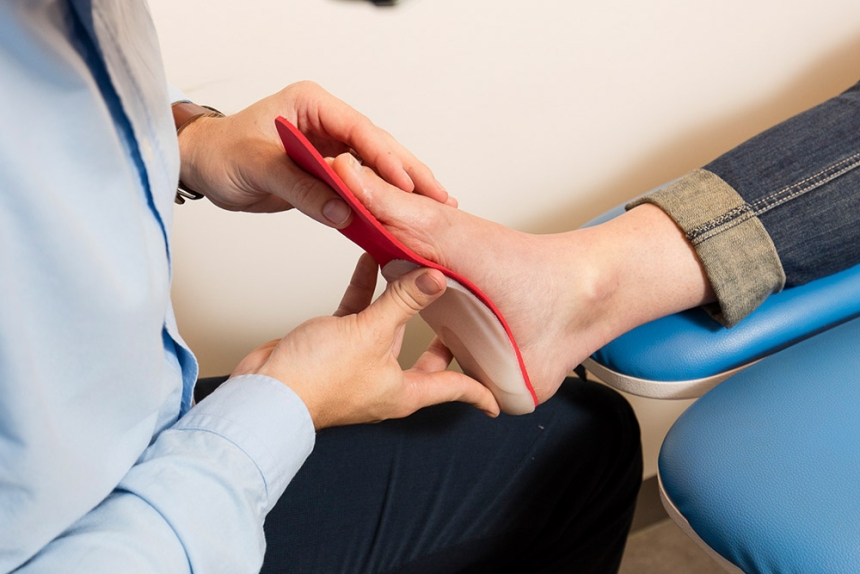
Orthotic insoles, also known as orthotic inserts or shoe inserts, are custom-made or over-the-counter devices designed to support, align, or improve the function of the feet. They are commonly used to address various foot conditions such as flat feet, plantar fasciitis, and metatarsalgia, among others. While these insoles are widely used, the question of their effectiveness remains a topic of debate. This article examines the evidence regarding the effectiveness of orthotic insoles in addressing foot-related problems.
April 30, 2025
Plastazote is a closed-cell, crosslinked polyethylene (XLPE) foam widely used in engineering, medical devices, orthotics and protective packaging. Chemically, it is produced from low-density polyethylene (LDPE) that is crosslinked with high-energy irradiation and inert nitrogen gas.
April 06, 2025
Memory foam shoe inserts have become a popular choice for people looking to add comfort and support to their everyday footwear.Â
Whether you’re on your feet all day at work, dealing with foot pain or simply looking for a bit more cushion in your trainers, memory foam insoles can seem like an easy solution. But are they the best option for your feet - and are they always the healthiest choice?
April 01, 2025
The NHS provides access to foot orthotics for those with medically diagnosed foot problems. However, the process can take time due to waiting lists and the need for assessment by a healthcare professional.
February 03, 2025

Sold: Sold per Pair
Incl. VAT Exl. VAT