






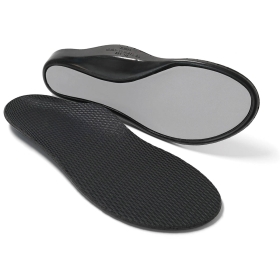
Do Insoles Help With Heel Pain? A Guide
Heel pain is one of the most common foot complaints seen by podiatrists physiotherapists and orthotic specialists. Many patients ask whether insoles can genuinely reduce pain or if they simply provide temporary comfort.
The short answer is yes - properly selected insoles can play an important role in managing heel pain. They work by supporting the foot structure redistributing pressure and reducing strain on sensitive tissues.
How Heel Pain Develops
Most cases of heel pain originate from excessive stress placed on the plantar fascia. This thick band of connective tissue runs from the heel bone to the toes and supports the arch of the foot.
When the fascia experiences repeated overload small micro-tears can occur. Over time this leads to inflammation stiffness and pain particularly during the first steps in the morning.
Several factors increase the likelihood of this condition:
- Reduced arch support
- Flat feet or excessive pronation
- Prolonged standing
- Sudden increases in physical activity
- Inadequate footwear
The NHS highlights plantar fasciitis as the leading cause of heel pain in adults and notes that supportive footwear and orthotic inserts can help reduce symptoms.
Reference: https://www.nhs.uk/conditions/plantar-fasciitis/
Why Insoles Matter in Heel Pain Treatment
Insoles are widely used in clinical practice because they address the mechanical causes of heel pain rather than simply masking symptoms.
The heel absorbs significant impact during walking and running. Without adequate support the plantar fascia must compensate for poor foot mechanics. This increases tension across the heel attachment.
Orthotic insoles change how forces travel through the foot. By improving alignment they reduce stress on the plantar fascia and surrounding tissues.
Many clinicians recommend orthoses as part of a broader treatment plan that may include stretching footwear modification and activity adjustment.
How Insoles Reduce Heel Pain
Several biomechanical mechanisms explain why insoles often relieve heel pain.
Arch Support
Supporting the medial arch reduces excessive pronation. This decreases tension within the plantar fascia particularly during the stance phase of walking.
Heel Cushioning
Shock absorbing materials reduce the force transmitted to the calcaneus. This can significantly decrease irritation of the fascia insertion.
Pressure Redistribution
Orthotic devices spread body weight more evenly across the foot. This reduces localised loading at the heel.
Improved Foot Alignment
Correcting abnormal foot mechanics reduces repetitive strain injuries that commonly trigger heel pain.
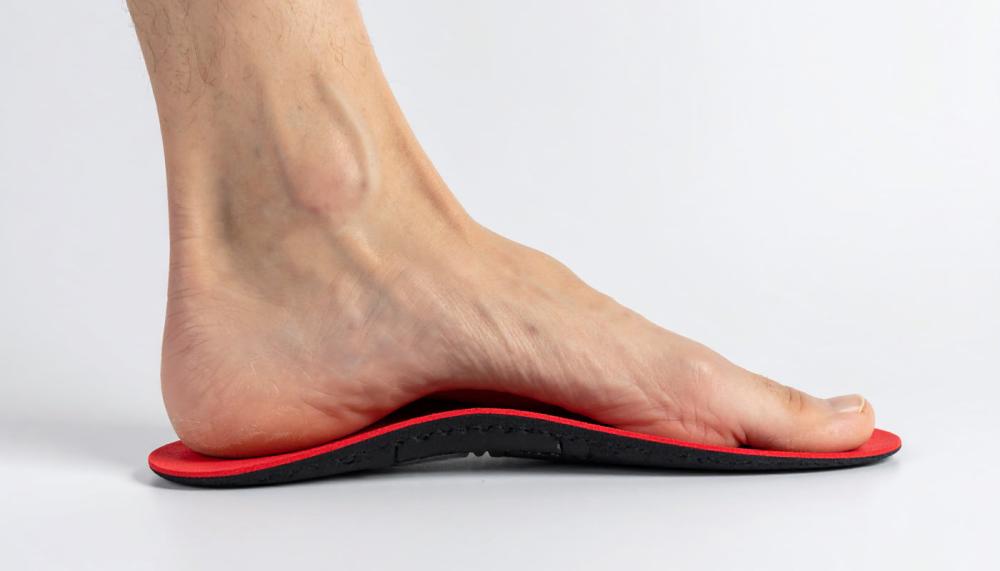
Types of Insoles Used for Heel Pain
Not all insoles perform the same function. Choosing the correct type depends on the underlying cause of heel pain.
| Insole Type | Main Function | Best For | Clinical Notes |
|---|---|---|---|
| Cushioning Insoles | Shock absorption | Heel pad pain or impact stress | Soft materials reduce ground reaction forces |
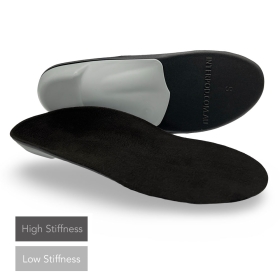
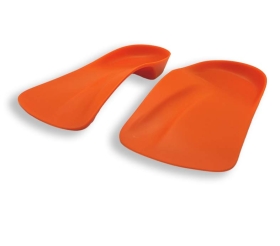
| Arch Support Orthoses | Stabilise foot mechanics | Plantar fasciitis | Common first line orthotic approach |
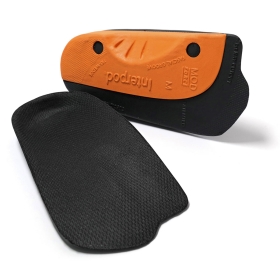
| Heel Cups | Heel stabilisation | Fat pad syndrome | Deep cup controls heel motion |
| Custom Orthotics | Personalised correction | Complex biomechanical issues | Often prescribed by podiatrists |
Many clinicians combine prefabricated orthoses with supportive footwear to maximise results.
What Users and Patients Often Report
Clinical experience and patient feedback often highlight similar outcomes when insoles are introduced.
- Reduced morning heel pain
- Improved walking comfort
- Less fatigue during standing
- Gradual improvement over several weeks
Research published in the Journal of Foot and Ankle Research indicates that both prefabricated and custom orthoses can reduce plantar fasciitis pain particularly when used consistently.
Study link: https://jfootankleres.biomedcentral.com/articles/10.1186/1757-1146-7-7
Step by Step Guide: Using Insoles for Heel Pain
1. Identify the Cause
Heel pain can result from plantar fasciitis Achilles tendon irritation or fat pad degeneration. A clinician assessment helps identify the correct treatment approach.
2. Choose Appropriate Insoles
Select insoles that provide arch support heel cushioning or motion control depending on the underlying condition.
3. Ensure Proper Shoe Fit
Orthoses perform best in supportive footwear with adequate depth and stability.
4. Introduce Gradually
Patients should wear insoles for short periods initially then gradually increase usage over one to two weeks.
5. Combine With Stretching
Calf and plantar fascia stretching can significantly improve treatment outcomes.
A useful clinical exercise guide is available from the Chartered Society of Physiotherapy: https://www.csp.org.uk/public-patient/keeping-active-and-healthy/plantar-fasciitis
6. Monitor Progress
Improvement typically occurs over four to eight weeks. Persistent pain should be reassessed by a healthcare professional.
When Insoles May Not Be Enough
Although insoles are helpful in many cases they are rarely a standalone cure. Persistent heel pain may require additional treatments including:
- Physiotherapy
- Activity modification
- Taping techniques
- Night splints
- Shockwave therapy
Early intervention often prevents symptoms from becoming chronic.
Frequently Asked Questions
Do insoles cure plantar fasciitis?
Insoles do not cure the condition directly but they reduce mechanical strain on the plantar fascia which allows tissue healing to occur.
How long does it take for insoles to relieve heel pain?
Many people notice improvement within two to four weeks though full recovery may take several months.
Are custom orthotics better than prefabricated insoles?
Research shows both can be effective. Custom orthotics may be beneficial when biomechanical problems are complex.
Should insoles be worn all day?
Most clinicians recommend wearing them during all weight-bearing activities once the feet have adjusted.
Can running cause heel pain?
Yes. Repetitive impact combined with poor foot mechanics can overload the plantar fascia.
Do soft gel insoles work?
Gel insoles can improve cushioning but may not provide enough structural support for plantar fasciitis.
References and Research Sources
- NHS Plantar Fasciitis Guide
- Journal of Foot and Ankle Research Orthoses Study
- Chartered Society of Physiotherapy Heel Pain Advice
- Algeos Orthotic Insoles
Sold: Sold per Pair
Incl. VAT Exl. VAT