



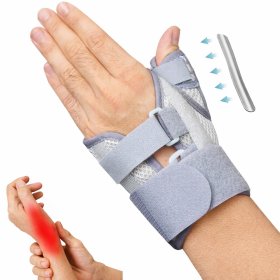
 Bodytonix Thumb Splint for Arthritis£11.00 £9.17
 Bodytonix PE Thumb Splint - Thumb Injury£8.80 £7.33
Sold: Each
Incl. VAT Exl. VAT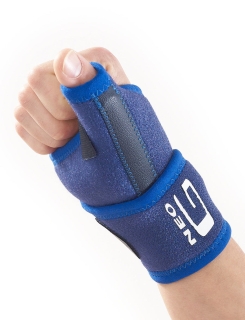 Neo G Universal Thumb Brace£23.64 £19.70
Sold: Each
Incl. VAT Exl. VAT
SHOW PRICES WITH OR WITHOUT VAT? MANY BUSINESS CUSTOMERS PREFER TO VIEW PRICES EXCLUDING VAT.
0151 448 1228 (UK)- Home
- Orthotic Therapy
- Braces and Supports
- Thumb Braces and Supports
Thumb Braces and Supports
Explore our range of thumb braces and supports designed to provide stability, pain relief and enhanced recovery for various thumb-related conditions. Our clinically proven range includes braces that offer both comfort and targeted support for injuries and post-op situations.
Each product is manufactured from high-quality, breathable materials to ensure all-day comfort, allowing you to maintain your daily activities while protecting and healing your thumb.
Find the right thumb support solution tailored to your needs today. Mini-guide below, if unsure what to choose.
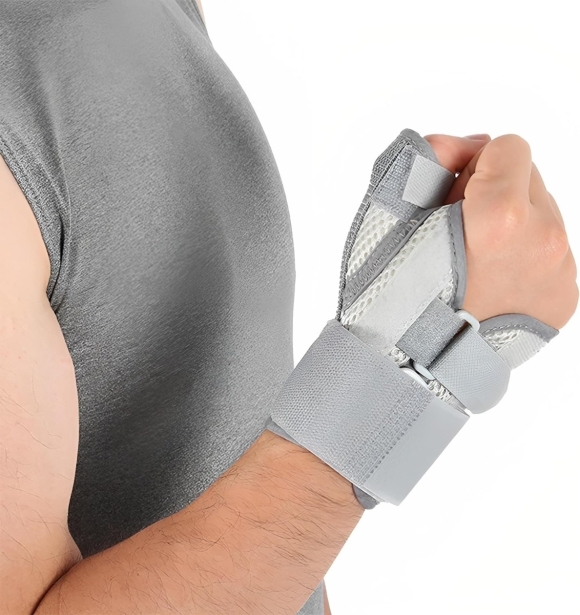


Understanding Thumb Injuries - A Guide
Thumb splints are essential tools in managing a variety of thumb injuries and conditions. They provide stability, immobilisation and support, helping to alleviate pain and promote healing.
Our mini guide explores the different injuries and conditions that thumb splints are commonly used to treat, highlighting their importance in both acute and chronic scenarios.
Common Thumb Injuries
1. Thumb Sprains
A thumb sprain occurs when the ligaments connecting the bones of the thumb are stretched or torn, usually as a result of a sudden impact or excessive force.
This injury is common in athletes, particularly those involved in sports like skiing or basketball, where the thumb is prone to being jammed or hyperextended.
A thumb splint is crucial in treating sprains as it immobilises the thumb, preventing further damage and allowing the ligaments to heal properly.
2. Skier’s Thumb
Skier’s thumb is a specific type of sprain where the ulnar collateral ligament (UCL) of the thumb is injured. It is often caused by a fall where the thumb is forcibly bent backwards.
A thumb splint is used to stabilise the thumb joint, preventing movement that could exacerbate the injury. In more severe cases, a splint may be used post-surgery to ensure proper healing.
3. Fractures
Fractures of the thumb bones, including the proximal phalanx and metacarpal, can occur due to direct trauma or falls. A thumb splint is vital in immobilising the fractured bones, keeping them aligned during the healing process.
This immobilisation reduces pain and prevents further displacement of the bones.
4. Gamekeeper’s Thumb
Gamekeeper’s thumb is a chronic injury that also involves the UCL, typically resulting from repeated stress or strain on the thumb over time. This condition is commonly seen in individuals who engage in activities that require repetitive thumb movements, such as gamers or those involved in manual labour.
A thumb splint helps by providing support and limiting movement, which allows the ligament to rest and recover.
Chronic Conditions Managed with Thumb Splints
1. Arthritis
Arthritis, particularly osteoarthritis and rheumatoid arthritis, can cause significant pain and stiffness in the thumb joints. Over time, the cartilage in the joints wears down, leading to inflammation and reduced mobility.
Thumb splints are commonly used in arthritis management to provide support and stability, reducing stress on the joints and alleviating pain during daily activities.
2. Tendonitis
Tendonitis occurs when the tendons in the thumb become inflamed, often due to overuse. This condition is particularly prevalent among individuals who perform repetitive motions with their thumbs, such as typing or playing certain musical instruments.
A thumb splint helps by immobilising the thumb, reducing movement and allowing the tendons to heal. It also prevents further aggravation of the condition.
3. De Quervain’s Tenosynovitis
De Quervain’s tenosynovitis is a painful condition that affects the tendons on the thumb side of the wrist. It is commonly caused by repetitive hand or wrist movements. A thumb splint is often recommended as part of the treatment to immobilise the thumb and wrist, reducing pain and inflammation.
By keeping the tendons in a resting position, the splint helps to alleviate symptoms and promote recovery.
Post-Surgical Recovery and Preventative Use
1. Post-Surgical Recovery
After thumb surgery, whether for fracture repair, ligament reconstruction, or arthritis treatment, a thumb splint is often used to immobilise the thumb during the initial healing phase.
This ensures that the surgical site remains stable, reducing the risk of complications and promoting optimal healing. The splint also helps to manage post-operative pain by limiting thumb movement.
2. Preventative Use in High-Risk Activities
Individuals involved in activities that place a high strain on the thumb, such as sports or manual labor, may use thumb splints preventatively.
By providing additional support to the thumb joint, these splints help to reduce the risk of injury, particularly in those who have previously suffered from thumb-related conditions. Preventative use of thumb splints can be especially beneficial in preventing re-injury.
Splints do Really Help
Thumb splints are versatile and essential devices used to treat a wide range of injuries and conditions affecting the thumb.
From acute injuries like sprains and fractures to chronic conditions such as arthritis and tendonitis, thumb splints play a crucial role in providing stability, reducing pain and promoting healing.
Whether used as part of a treatment plan or preventatively, thumb splints offer significant benefits in maintaining thumb health and function.
Sold: Each
Incl. VAT Exl. VAT