




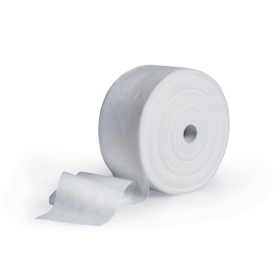
 FeatherStretch Nylon Stockinette for Prosthetics£55.79 £46.49
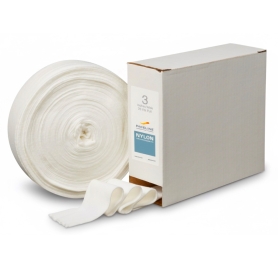 Flexa Stretch Nylon for Prosthetic Layups£81.80 £68.17
Sold: Roll
Incl. VAT Exl. VAT
SHOW PRICES WITH OR WITHOUT VAT? MANY BUSINESS CUSTOMERS PREFER TO VIEW PRICES EXCLUDING VAT.
0151 448 1228 (UK)

Stockinette: Product Range Overview
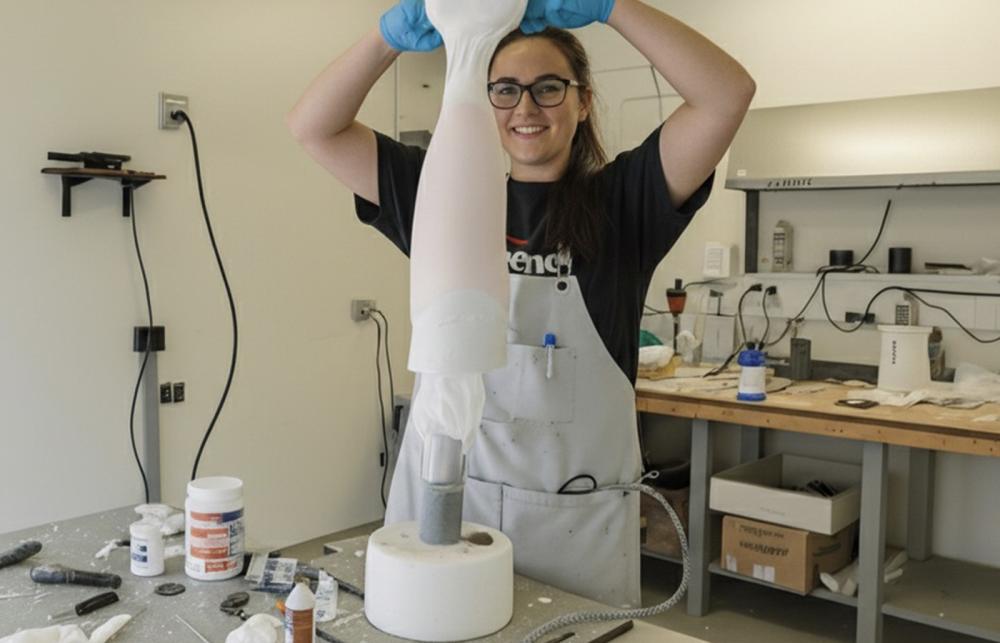
Stockinette is the quiet workhorse of prosthetics and orthotics. It protects skin as an interface layer, tidies laminations, improves hygiene in casting and - crucially for technicians - delivers clean drape and reinforcement in prosthetic socket lay-ups. This page is your practical guide to materials, sizes and selection, with tips that work in real clinics and workshops.
Why Stockinette Matters
- Skin protection & hygiene: A soft, breathable barrier between skin and rigid devices (sockets, braces, casts) to reduce rubbing, hot spots and irritation.
- Fit & finish: Helps produce smoother internal surfaces and a neater cosmetic exterior over foams and thermoplastics.
- Prosthetic socket lay-ups: Technical stockinettes (e.g. feather-stretch nylon, Nyglass, carbon) enable wrinkle-free drape over changing diameters and add directional strength when used with resin systems.
- Versatility: Available in cotton, high-stretch nylon, nylon-glass (Nyglass) and carbon to cover everything from toe dressings to composite socket builds.
Product Range at a Glance
The Algeos range typically includes the following families. Widths, roll lengths and colours vary by SKU.
| Type | Primary Use | Key Characteristics | Notes for Socket Lay-Ups |
|---|---|---|---|
| Cotton Stockinette | Under-cast layers; everyday interface inside orthoses and trial sockets | Soft, breathable, skin-friendly - economical | Not a structural layer; use for comfort liners or as a sacrificial inner wrap before lay-up |
| Feather-Stretch Nylon Stockinette | Vacuum forming; final laminations over complex contours | High conformability; smooth drape - helps prevent wrinkles/bridging | Excellent as a drape/veil layer to achieve clean surface quality prior to reinforcement plies |
| Nyglass Stockinette | Durable interface; reinforcement in lamination stacks | Nylon + glass characteristics for toughness and wear resistance | Useful as intermediate reinforcement where abrasion resistance matters without full carbon stiffness |
| Carbon Stockinette | High-rigidity composite laminations | Compressed knit; directional strength - low bulk for high stiffness-to-weight | Use as structural plies within acrylic/epoxy lay-ups; align orientation to load paths |
| Tubular Gauze (Toe/Small Digits) | Digit protection; small dressings; localised under-wraps | Size-specific rolls; quick to apply | Not for structural use; purely a protective interface |
How to Choose the Right Stockinette
1) Match the material to the job
- Cotton for comfort and hygiene under casts and inside orthoses or check sockets.
- Feather-stretch nylon for smooth pull-downs and tidy final laminations over complex shapes.
- Nyglass when you need a tougher interface or added reinforcement without going full carbon.
- Carbon when stiffness and strength are non-negotiable (weight-bearing regions, trim lines).
2) Get width and stretch right
Choose a diameter that slides on without excessive bunching but still offers light tension when seated over the limb or mould. Under-sizing risks constriction and wrinkles. Over-sizing invites folds and friction. High-stretch nylon is forgiving where limb diameter changes rapidly distal to proximal.
3) Think about the finish
For visible covers, colour/opacity and knit style affect cosmetic outcome. For internal layers, prioritise smoothness and consistency - anything that reduces ridges will improve comfort and reduce skin shear.
4) Plan service life & workflow
High-activity users and humid environments age cotton faster; consider tougher blends (Nyglass) for durability. In laminations, combine drape (nylon) and reinforcement (Nyglass/carbon) to meet mechanical needs without over-building weight or thickness.
Using Stockinette in Prosthetic Socket Lay-Ups
- Surface prep & veil layer: Apply feather-stretch nylon to achieve wrinkle-free drape over bony prominences and tapering sections. This helps your first reinforcement ply sit flat.
- Reinforcement stack: Add Nyglass plies for abrasion resistance and general robustness, especially around trim lines and edges.
- Structural plies: Use carbon stockinette where you need stiffness and load transfer (e.g. proximal brim, distal cup). Pay attention to fibre orientation and overlap to prevent stress risers.
- Transitions & edges: Stagger overlaps and keep returns tidy. A neat nylon over-wrap before bagging often improves cosmetic quality and reduces resin pooling.
- Resin choice: Follow manufacturer guidance for acrylic/epoxy systems. Wet-out thoroughly, avoid voids, and chase air at diameter changes to prevent bridging.
Workshop tip: If you can’t eliminate a tricky crease at a rapid taper, swap to a narrower nylon band for that segment, then return to your standard width. It’s faster than fighting a single oversized tube.
Clinical & Workshop Use-Cases
- Prosthetic sockets: Nylon for drape, Nyglass for wear, carbon for stiffness. Combine strategically rather than over-building.
- Orthotic shells & braces: Cotton interface to protect skin - nylon outer to tidy vacuum-formed edges and transitions.
- Casting & splinting: Cotton stockinette under synthetics or plaster for comfort and hygiene; tubular gauze for digits.
- Routine aftercare: Keep spare rolls for early replacement of worn liners to protect skin integrity.
Comparison: Which Stockinette When?
| Type | Primary Strength | Limitations | Best For |
|---|---|---|---|
| Cotton | Comfort, breathability, affordability | Lower abrasion resistance - stretches out with wear | Under-cast layers - general interface inside orthoses/check sockets |
| Feather-Stretch Nylon | High conformability - clean drape | Not structural on its own | Vacuum forming - veil layers in socket lay-ups |
| Nyglass | Durability - supportive feel | Less compliant than feather-stretch nylon | Intermediate reinforcement - high-wear zones |
| Carbon | Extreme stiffness/strength | Requires resin; not a comfort layer | Structural plies in prosthetic socket laminations |
| Tubular Gauze | Quick, localised protection | Local use only - non-structural | Toe dressings - small under-wraps |
Practical Tips
- Wrinkles = friction: Size correctly. Use feather-stretch nylon to manage tapering segments.
- Edge discipline: Trim cleanly and, where appropriate, fold returns to avoid sharp steps under load.
- Layer with intent: Drape (nylon), durability (Nyglass), stiffness (carbon). Don’t rely on one fabric to do everything.
- Replace early: In sweaty or high-activity cases, rotate cotton liners and replace before they thin or distort.
FAQs
What width should I order?
Pick the smallest width that installs without bunching but provides light tension. For rapid diameter changes, switch temporarily to a narrower feather-stretch nylon section to prevent creases.
Is cotton or nylon better against the skin?
Cotton is soft and breathable for everyday under-cast or check-socket use. Nylon is preferred where a clean drape and tidy lamination finish are priorities. Many clinics use both at different stages.
When should I use carbon stockinette?
Use carbon when stiffness and load transfer are essential in a composite build—e.g., brim regions, distal cups or high-stress trim lines. Align orientation with expected load paths and ensure thorough wet-out.
Sold: 25 Yards
Incl. VAT Exl. VAT