



This guide explores 101 practical uses for hook & loop tape - from everyday storage and school resources to healthcare, travel, vehicles and specialist applications.
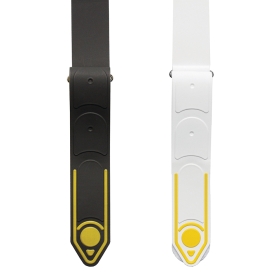 Self Gripping Straps | PVC | Used for AFO Manufacture£197.62 £164.68
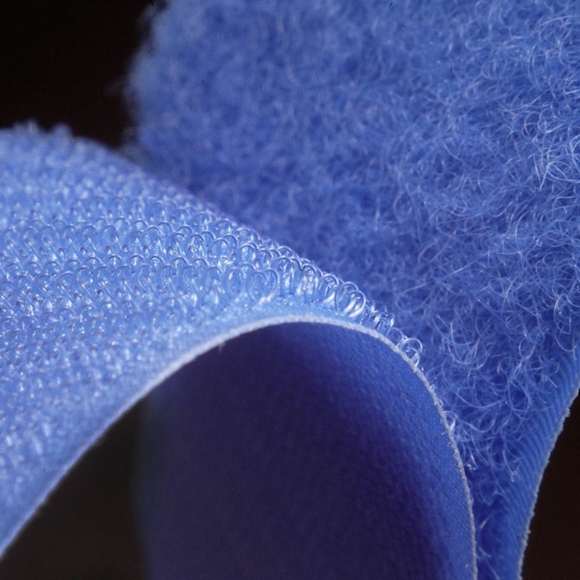
Hook & loop (often referred to as “Velcro-style” fastening) is one of those workshop essentials you don’t think about until you absolutely need it.
It’s quick to apply, adjustable, reusable, and ideal for situations where you want secure closure without permanent hardware.
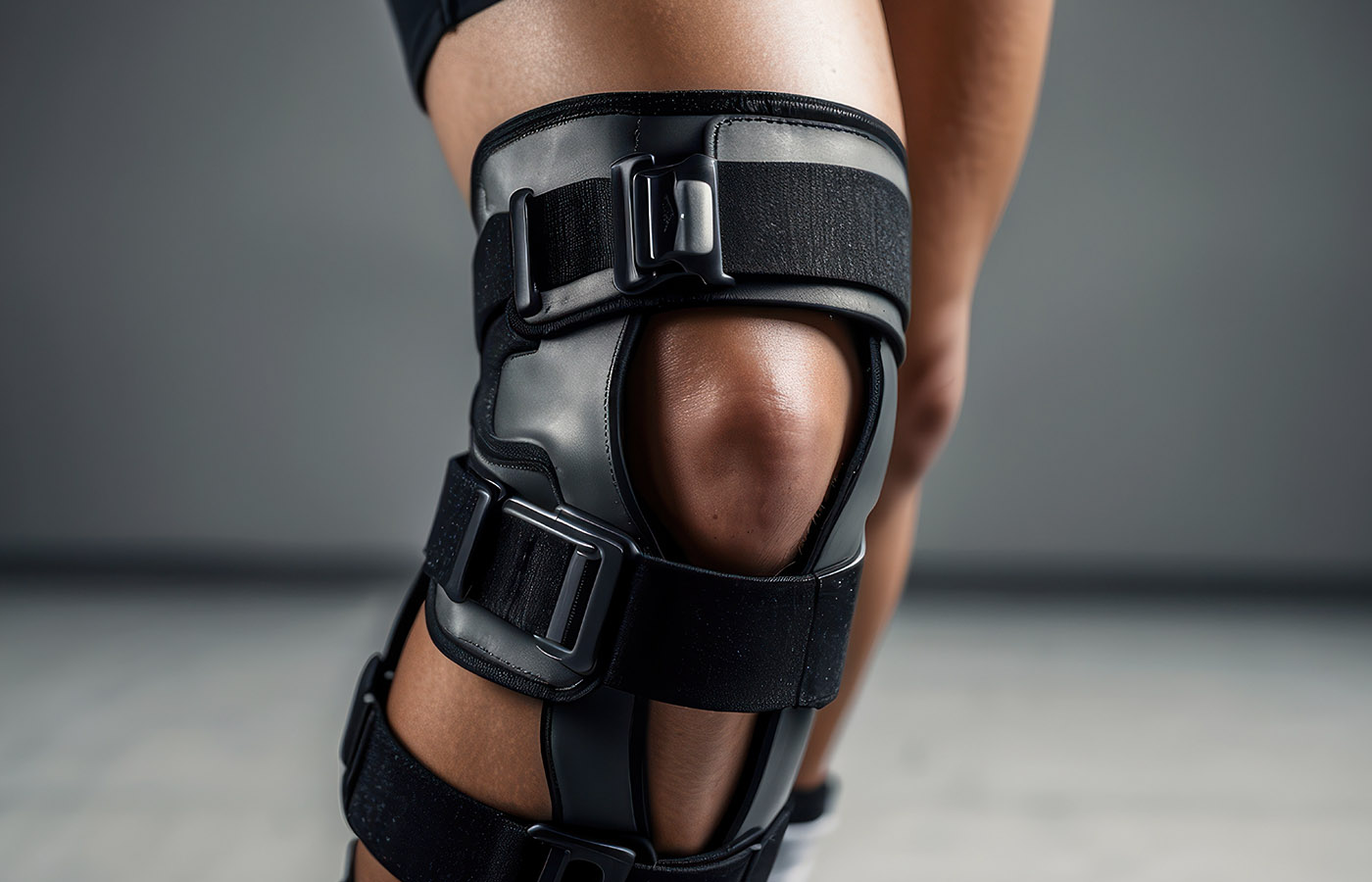
In orthotics and prosthetics (O&P), footwear adaptation, bracing, and general fabrication, hook & loop fasteners help you create clean, reliable closures that patients can manage easily - often with one hand.
This guide explains how hook & loop works, the main types you’ll see in an O&P setting, and how to choose the right option for straps, AFOs, braces, liners, footwear, and everyday workshop jobs.
Hook & loop is a two-part fastening system: one side has tiny hooks, the other has soft loops. Press them together and the hooks catch the loops to form a strong, flexible bond. Pull them apart and the bond releases—ready to be re-fastened again and again.
Not all hook & loop is the same. The right choice depends on load, patient use, skin sensitivity, cleaning demands, and the materials you’re fixing it to.
Sew-on hook & loop is a go-to for textiles and soft goods (liners, straps, fabric covers). It’s strong, reliable, and won’t degrade from adhesive failure. Use it where stitching is practical and repeated stress is expected.
Self-adhesive hook & loop is convenient for quick fixes, positioning during prototyping, or attaching to smooth surfaces where stitching isn’t possible. Adhesive performance varies hugely depending on surface prep, curvature, and environment.
For clinical-grade results, combine adhesive with mechanical fixing (stitching, riveting, edge capture, or laminating) when you can.
For bracing and orthotic straps, look for strap-grade materials designed to handle repeated high-load closure. Reinforced straps typically resist fraying and can better tolerate daily pulling forces and patient handling.
50/50 (sometimes used for AFO straps and specialist applications) combines hook and loop elements in a single tape format, making it useful for wrap-around situations and certain strap designs. It can reduce bulk and simplify closure layout in specific builds.
Use the checklist below to avoid the classic problems: straps that peel, closures that clog with lint, and patients who struggle to fasten their device correctly.
| Type | Best for | Pros | Watch-outs |
|---|---|---|---|
| Sew-on | Textiles, straps, soft goods | Strong, durable, consistent | Needs stitching access and time |
| Self-adhesive | Quick repairs, prototyping, smooth surfaces | Fast, tidy, no sewing | Adhesive can fail on curves, dust, oils |
| Reinforced / strap-grade | AFOs, braces, high-use straps | Handles higher load, resists fraying | Usually thicker - plan for bulk |
| 50/50 options | Wrap-around strap layouts | Simplifies closure design in specific builds | Not a universal replacement; test your use case |
Hook & loop performance drops when the hooks clog with lint, hair, dust or foam debris. Encourage users to keep closures clean by picking out fluff regularly (a small brush or tweezers works well). If the loop side becomes worn and 'fuzzy', it may need replacing - especially on high-use braces and orthoses.
As a rule, higher load and higher usage benefit from wider tape. Wider closures distribute force better and reduce edge peel. If you’re unsure, go wider and trim down after testing.
For many AFO strap situations, stitching or a reinforced strap solution is more reliable long-term. Adhesive can be helpful for placement and prototyping, but consider mechanical fixing for daily high-load use.
Most commonly: clogged hooks, worn loops, or poor alignment. Cleaning the hooks and replacing the loop side often restores performance.
Yes - especially if the hook side touches skin or catches on socks or liners. Position hook away from skin contact and finish edges neatly.
They can simplify certain wrap-around strap designs by combining hook and loop functionality in a single tape format. They’re useful in specific applications rather than as a universal replacement.
Sew-on products are generally better for long-term durability, repeated flexing and higher-load applications. Self-adhesive versions are useful for quick fixes, light-duty use, temporary positioning and prototyping.
In most cases, the hook side should be positioned away from the skin to reduce irritation and prevent snagging on socks, liners or clothing. The exact arrangement depends on the strap design and where the closure lands when fastened.
Yes. Hook and loop tape can usually be trimmed easily with scissors. For a neater finish and better comfort, round the corners where possible to reduce lifting and sharp edges.
Service life depends on load, frequency of use, contamination and how well the fastening is aligned. In high-use clinical applications, loop material often wears out before the hook side and may need replacing sooner.
Not always. Wider tape can improve grip and load distribution, but it may add bulk or be harder to fit neatly on smaller braces or footwear modifications. Choose the widest practical option for the application, without compromising fit or usability.
Yes. It is commonly used for adaptable footwear closures, strap extensions and footwear modifications. Product choice should reflect the level of stress, exposure to dirt and how often the fastening will be opened and closed.
Edge peel usually happens when the fastening is too narrow, poorly aligned, under constant tension at one side, or applied to a curved surface without proper support. A wider tape or improved strap design can often reduce the problem.
Usually yes, but performance may reduce over time if lint, fibres or detergent residue build up in the hooks. Closing the fastening before washing can help protect both the hook surface and surrounding fabrics.
Microhook is often chosen where a lower-profile fastening is needed. It can be useful in slimmer strap systems or applications where standard hook may feel too aggressive or bulky.
Choose reinforced or strap-grade options when the fastening will be used daily, under repeated tension, or as part of a more demanding orthotic or prosthetic design. Standard tape is fine for many lighter-duty jobs - but heavy-use straps benefit from tougher construction.
Yes. Dust, moisture, cold surfaces and uneven materials can all reduce adhesive performance. For best results, apply adhesive-backed products to a clean, dry surface and allow proper bonding time before use.
If you’re building straps, modifying braces or stocking a workshop, keeping a few hook & loop options - standard tape, strap-grade or reinforced versions, and a specialist format like 50/50 where relevant - gives you flexible solutions for almost every fastening scenario.
April 02, 2026
This guide explores 101 practical uses for hook & loop tape - from everyday storage and school resources to healthcare, travel, vehicles and specialist applications.
March 31, 2026
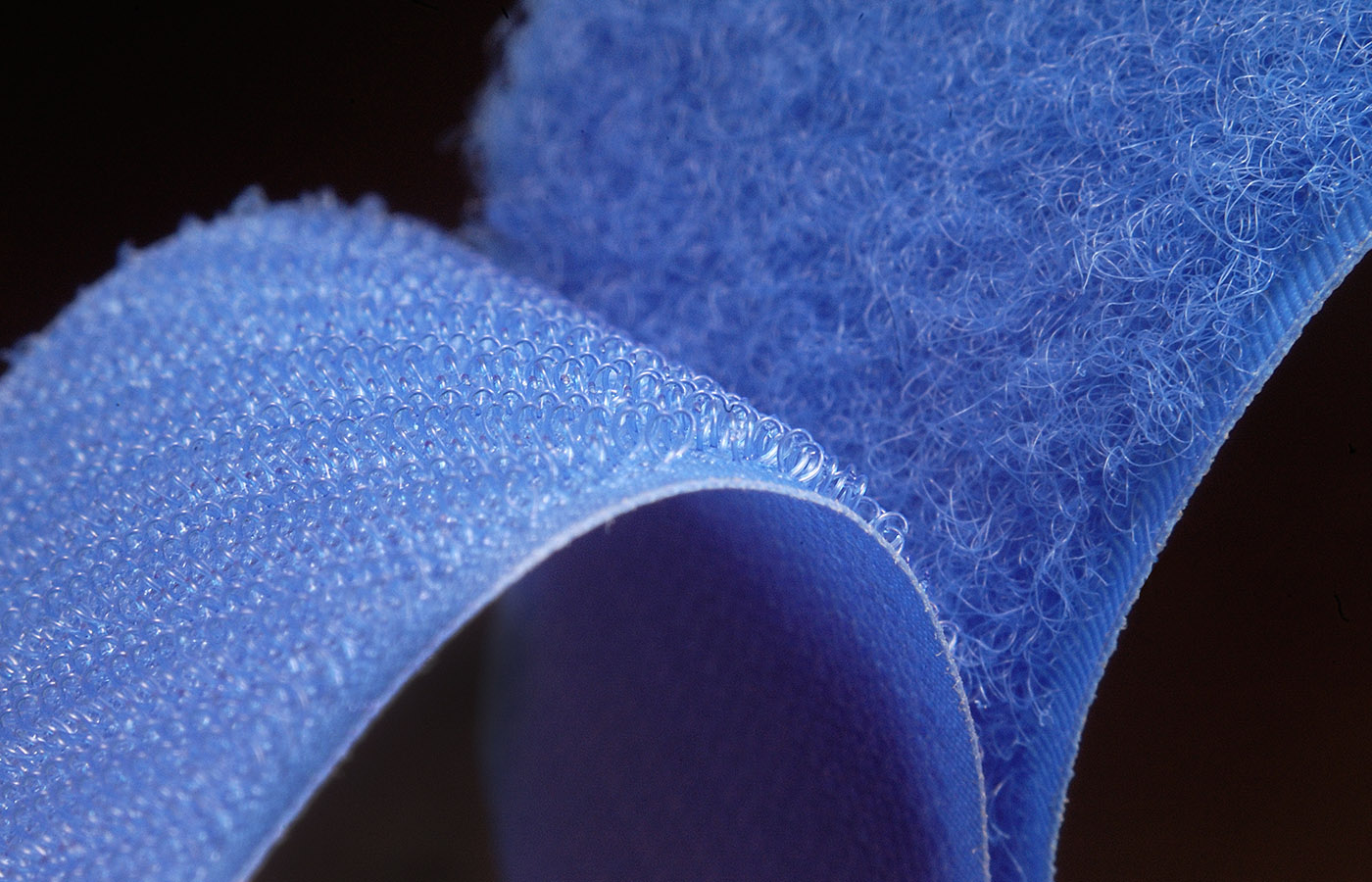
A reclosable fastening system made from two surfaces - one covered in tiny hooks and the other in soft loops. When pressed together the hooks catch the loops to create a secure but adjustable closure that can be opened and reused repeatedly.
Sold: Pack of 10
Incl. VAT Exl. VAT