




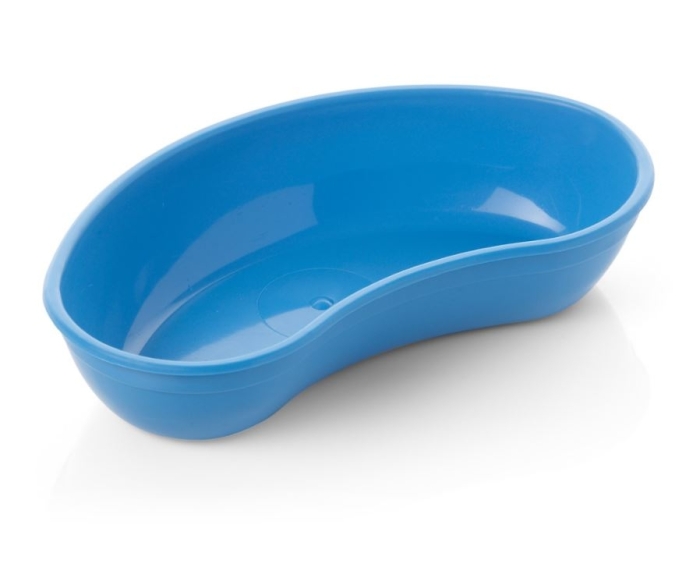
Kidney Shaped Dishes - 2 Sizes - Polypropylene - Autoclave Friendly
Sold: Each
Incl. VAT Exl. VAT
Product Description
Reusable Polypropylene Kidney Dishes
Long-life reusable polypropylene kidney dishes designed for clinical, surgical, and laboratory environments where durability, hygiene, and safe handling are essential.
Best for: Clinical procedures, dressing changes, instrument handling, fluid collection, and general medical use.
Not ideal for: Direct exposure to open flame or use beyond validated sterilisation temperatures.
- Up to 50% lighter than stainless steel alternatives
- Autoclavable up to 135°C
- Manufactured from high-quality medical-grade polypropylene
What is it?
These kidney shaped dishes are reusable medical trays manufactured from strong, high-quality polypropylene. Designed as a long-life alternative to stainless steel models, they provide a lightweight yet durable solution for holding instruments, dressings, fluids, or clinical waste during procedures.
The distinctive curved “kidney” shape allows the dish to sit comfortably against the patient’s body, making it practical for wound care, minor surgical procedures, and podiatry treatments. The moulded grip feature beneath the rim improves control during handling, particularly when wearing gloves.
Compared with traditional stainless steel dishes, polypropylene offers reduced weight, improved handling comfort, and easier removal of blood residue during cleaning. The smooth edges and surfaces also reduce the risk of tearing sterilisation wrap or medical-grade paper during packing and autoclaving.
Who is it for?
These reusable kidney dishes are suitable for a wide range of healthcare and technical environments requiring dependable, sterilisation-compatible trays.
- Hospitals and NHS departments
- Podiatry and chiropody clinics
- Orthotic and prosthetic workshops
- Minor surgery units
- GP surgeries and treatment rooms
- University clinical teaching environments
- Veterinary practices
- Laboratory and technical facilities
They are particularly useful in settings where repeated sterilisation and long service life are required without the weight and handling issues associated with metal trays.
What is it used for?
Kidney dishes are a staple item in clinical and procedural settings. Their shape and size make them suitable for a wide variety of tasks.
Applications
- Holding dressings during wound care
- Collecting used swabs or disposable materials
- Containing small surgical instruments
- Managing irrigation fluids
- Supporting nail surgery procedures
- Assisting with podiatry treatments
- Temporary containment of clinical waste during procedures
- General treatment room organisation
Characteristics
- Lightweight construction – approximately 50% lighter than stainless steel equivalents
- Strong and durable polypropylene structure
- Improved blood residue removal compared to stainless steel surfaces
- Smooth edges to reduce packaging tears
- Moulded grip feature for safer handling
- Reusable and compatible with multiple sterilisation methods
Typical Users
- Podiatrists and foot health practitioners
- Orthopaedic and minor surgery teams
- Nurses and healthcare assistants
- Sterile services departments
- Clinical educators and trainers
- Laboratory technicians
How to work with it
The dish can be used as part of a standard instrument setup. After use, it should be cleaned and sterilised in accordance with local infection control protocols.
It can be sterilised using:
- Steam autoclave (up to 135°C)
- Ethylene Oxide (EO)
- Hydrogen plasma systems
Expected Use Timeline
First Use
Before first use, the dish should be cleaned and sterilised according to your facility’s protocols. Inspect for any visible manufacturing debris or transport-related damage.
Ongoing Use
With correct cleaning and sterilisation, polypropylene kidney dishes are designed for repeated reuse over an extended period. Regular inspection for surface damage, warping, or cracking is recommended. Replace the dish if structural integrity becomes compromised or if it no longer meets hygiene standards.
Longevity will depend on frequency of use, sterilisation cycles, and handling practices.
Common Problems and Solutions
| Common problem | How the product helps |
|---|---|
| Heavy trays causing hand fatigue during procedures | Polypropylene construction makes the dish significantly lighter than stainless steel, improving comfort during repeated handling. |
| Difficulty removing dried blood from metal surfaces | The polypropylene surface allows improved removal of blood residue compared to stainless steel alternatives. |
| Tearing sterilisation wrap during packing | Smooth edges and surfaces help reduce the risk of ripping sterilisation paper or wrap. |
| Slippery handling when wearing gloves | The moulded grip feature below the rim improves secure handling. |
| Need for compatibility with different sterilisation systems | Suitable for autoclave, ethylene oxide, and hydrogen plasma sterilisation methods. |
Key Benefits
- Lightweight yet strong construction suitable for busy clinical environments
- Reusable design supporting long service life
- Autoclavable up to 135°C
- Compatible with multiple sterilisation methods
- Smooth finish to support hygiene and easier cleaning
- Available in two practical sizes to suit different procedural needs
Common Mistakes to Avoid
- Exceeding the recommended maximum autoclave temperature of 135°C
- Using abrasive cleaning tools that may damage the surface
- Continuing to use the dish if cracks, distortion, or structural damage appear
- Assuming it is suitable for high-heat exposure beyond validated sterilisation methods
How to Work With
- Inspect the dish before use to ensure it is clean and undamaged.
- Place on a stable treatment surface or position against the patient as required.
- Use to hold instruments, dressings, or fluids during the procedure.
- After use, rinse to remove visible debris.
- Clean according to local decontamination protocols.
- Sterilise using autoclave (up to 135°C), ethylene oxide, or hydrogen plasma as appropriate.
- Allow to cool and dry fully before storage or reuse.
Technical specifications
| Specification | Details |
|---|---|
| Material | High-quality polypropylene |
| Sterilisation methods | Autoclave (up to 135°C), Ethylene Oxide, Hydrogen Plasma |
| Size option 1 | 150mm x 35mm (300ml capacity) |
| Size option 2 | 200mm x 45mm (500ml capacity) |
| Weight | Lightweight – approximately 50% lighter than stainless steel equivalents |
| Colour | Varies by batch (typically medical-grade finish) |
| Reusable | Yes |
| Pack contents | Sold individually |
| Edge finish | Smooth, rounded edges |
| Grip feature | Moulded grip beneath rim |
Frequently Asked Questions
Can these kidney dishes be autoclaved?
Yes. They are autoclavable up to 135°C. Always follow validated sterilisation cycles and your facility’s infection control protocols.
Are they suitable for single use?
No. These dishes are designed as reusable products. They should be cleaned and sterilised between uses.
How do they compare to stainless steel dishes?
They are significantly lighter, which may reduce handling fatigue. Polypropylene also allows improved removal of blood residue compared to stainless steel. However, they should not be exposed to open flame or excessive heat.
Do they crack over time?
With appropriate handling and correct sterilisation temperatures, they are designed for long service life. Regular inspection is recommended, and any damaged units should be replaced.
Are both sizes suitable for podiatry procedures?
Yes. The 150mm option is often used for smaller procedures and dressing work, while the 200mm version provides greater capacity for fluid management or instrument containment.
Can they be used in hydrogen plasma systems?
Yes, they are compatible with hydrogen plasma sterilisation systems as well as ethylene oxide and steam autoclaving.
Complementary Products
- Sterilisation pouches and wraps
- Autoclave trays and instrument cassettes
- Disposable and reusable surgical instruments
- Clinical waste containers
- Procedure packs for podiatry and minor surgery
Written by: Algeos Product & Clinical Content Team
Last reviewed: March 2026
This content is provided for buyer guidance and product information purposes only. It is not a substitute for professional training, diagnosis, or clinical judgement.
Frequently bought together
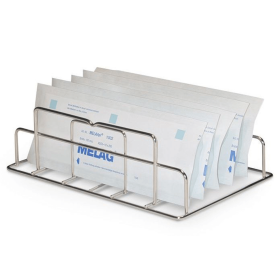
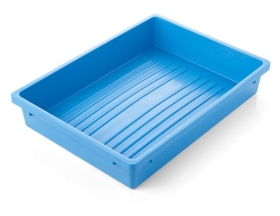
Sold: 424mm x 305mm x 75mm
Incl. VAT Exl. VAT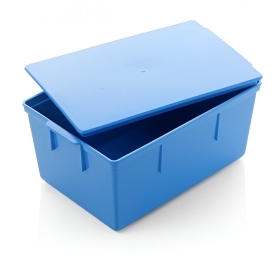
Sold: Each (with Lid)
Incl. VAT Exl. VAT
Sold: Each
Incl. VAT Exl. VAT
Sold: Each
Incl. VAT Exl. VATSold: Each
Incl. VAT Exl. VAT
Sold: Each
Incl. VAT Exl. VAT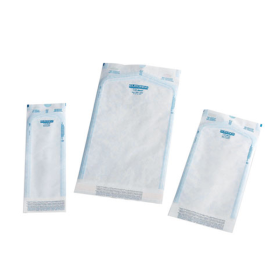
Sold: Pack of 200
Incl. VAT Exl. VAT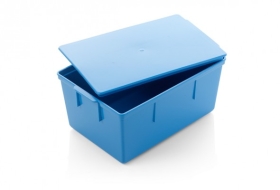
Sold: Each
Incl. VAT Exl. VAT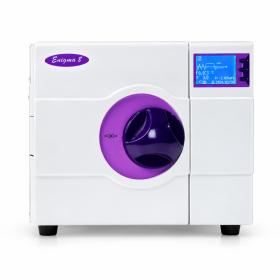
Sold: Each
Incl. VAT Exl. VATSold: Each
Incl. VAT Exl. VAT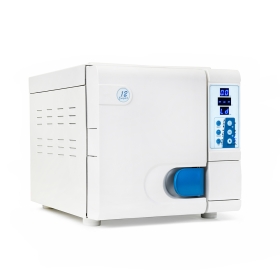
Sold: Each
Incl. VAT Exl. VAT
Sold: Each
Incl. VAT Exl. VAT