



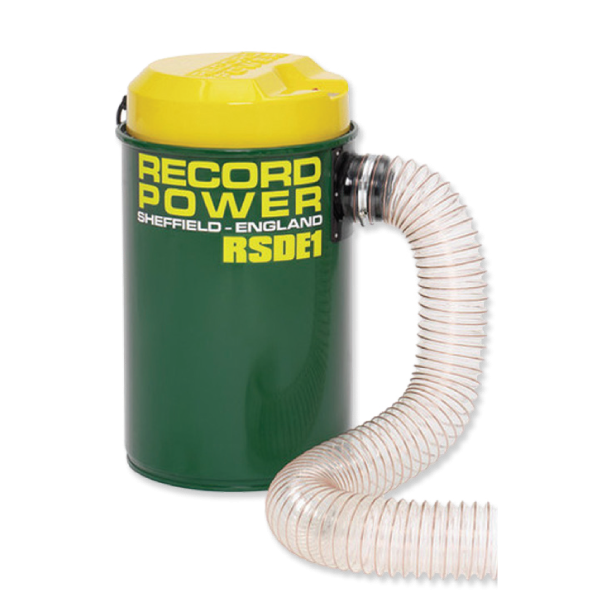
Dust Extraction Unit DX1000
High-pressure, low-volume extraction designed for fine dust control at source.
Compact 45 litre capacity suited to bench-based and small workshop environments.
Supports cleaner working conditions during sanding, grinding, and trimming tasks.
Simple, standalone extractor that integrates easily into everyday workshop use.

Product Description
Fine Filter 45 Litre Dust Extractor (HPLV)
A compact high-pressure, low-volume extractor designed to capture fine dust and light particulate at source during workshop and fabrication tasks.
Best for: Bench-mounted machinery, hand tools, and controlled point-of-use extraction in small workshops.
Not ideal for: Large-scale chip extraction or high-volume waste removal from industrial machines.
- Designed for fine dust control
- Compact footprint for workshop use
- Practical solution for cleaner working areas
What is it?
The Fine Filter 45 Litre Extractor (HPLV) is a self-contained dust extraction unit intended to support cleaner, safer working environments where fine particulate is generated. Operating on a high-pressure, low-volume principle, it is suited to applications where airflow needs to be concentrated at a specific pickup point rather than distributed across large ducting systems.
This type of extractor is commonly used alongside bench-top tools, sanding stations, trimming equipment, and light fabrication processes. The integrated fine filtration system is designed to capture smaller airborne particles that can otherwise remain suspended in the workspace.
Who is it for?
This extractor is relevant to a wide range of professional and specialist users who require effective localised dust control without the complexity of large extraction systems.
- Orthotic and prosthetic workshops performing grinding, sanding, or trimming
- Orthotic technicians and fabrication laboratories
- NHS and hospital in-house workshops
- Footwear technicians and bespoke shoe makers
- Educational workshops and training facilities
- Specialist makers and advanced DIY users
What is the Dust Extracter used for?
The extractor is used to remove fine dust and light debris generated during material shaping, finishing, or modification. It is typically positioned close to the point of dust generation to help reduce airborne particles and surface contamination.
Applications
- Bench-top sanding and finishing tasks
- Grinding and trimming of plastics, foams, and composites
- Dust control at polishing or shaping stations
- Support extraction for handheld power tools
- General workshop dust management
Characteristics
- High-pressure airflow suitable for focused extraction
- Fine filtration intended to capture small particulate
- Compact collection capacity for manageable waste handling
- Standalone unit with minimal installation requirements
Typical users
- Clinical and technical workshop staff
- Foot health and orthotic fabrication teams
- Educational demonstrators and students
- Specialist repair and modification technicians
How to work with it
The extractor is generally positioned close to the working area, with a suitable hose or pickup nozzle directed at the dust source. It is designed to operate during active material removal processes and switched off when not required.
Expected use timeline
First use: Once installed and connected, the extractor can be used immediately for routine dust control tasks. Users may need a short period to optimise positioning for best results.
Ongoing use (weeks): Over regular use, users should expect consistent fine dust capture when the unit is maintained appropriately. Periodic emptying of the collection container and inspection of filters forms part of normal operation.
Problem and solution overview
| Common problem | How the product helps |
|---|---|
| Fine dust accumulating on work surfaces | Captures airborne particles at source to help reduce surface settling |
| Reduced visibility during sanding or grinding | Supports clearer working conditions by removing suspended dust |
| Limited space for large extraction systems | Compact design suits smaller workshops and bench areas |
| Need for targeted extraction | High-pressure airflow focuses suction where it is most needed |
Key benefits
- Supports cleaner, more controlled working environments
- Designed for fine dust rather than bulk waste
- Compact format fits into space-restricted workshops
- Suitable for a wide range of light fabrication tasks
- Simple operation with minimal setup requirements
- Can be integrated into existing workshop routines
Common mistakes to avoid
- Using the extractor for heavy chip or high-volume waste removal
- Positioning the pickup point too far from the dust source
- Neglecting routine emptying or filter inspection
- Assuming it replaces all forms of general ventilation
How to work with the extractor
- Position the extractor on a stable, level surface near the work area.
- Attach the appropriate hose or nozzle for the task being performed.
- Place the pickup point as close as practical to the dust source.
- Switch on the extractor before beginning material removal.
- After use, switch off and check the collection container as needed.
Technical specifications
| Collection capacity | 45 litres |
|---|---|
| Operating principle | High pressure, low volume (HPLV) |
| Filtration type | Fine filter system |
| Dimensions | Varies by configuration |
| Weight | Varies by configuration |
| Materials | Metal and durable polymer components |
| Care and cleaning | Routine emptying and filter inspection recommended |
| Pack contents | Extractor unit and standard collection container |
Frequently asked questions
Is this extractor suitable for continuous daily use?
It is designed for regular workshop use when maintained appropriately, with routine checks forming part of normal operation.
Can it be used with different hand tools?
Yes, it can be paired with many bench-mounted or handheld tools where focused dust extraction is required.
Does it remove all airborne dust?
It is designed to capture fine dust at source but does not replace general room ventilation or wider extraction systems.
How often does the container need emptying?
This depends on frequency of use and material type; regular visual checks are recommended.
Is specialist installation required?
No specialist installation is usually required, making it suitable for flexible workshop layouts.
Can it be used in clinical fabrication settings?
It is commonly used in controlled workshop environments where fine dust management is important.
Complementary and pairing suggestions
- Bench-mounted sanding and grinding tools
- Flexible extraction hoses and nozzles
- Workshop dust masks and personal protective equipment
- General workshop ventilation solutions
Written by: Algeos Product & Clinical Content Team
Last reviewed: February 2026
This content is intended to support informed purchasing decisions and practical use. It does not provide diagnostic or medical advice.
Frequently bought together
Sold: Each
Incl. VAT Exl. VAT
Sold: Each
Incl. VAT Exl. VAT
Sold: Each
Incl. VAT Exl. VAT
Sold: Each
Incl. VAT Exl. VAT
Sold: 1 Sheet
Incl. VAT Exl. VAT
Sold: Each
Incl. VAT Exl. VAT
Sold: 10 Sheets
Incl. VAT Exl. VAT
Sold: Each
Incl. VAT Exl. VAT
Sold: Pack of 10
Incl. VAT Exl. VAT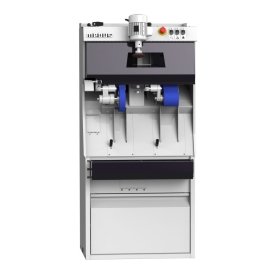
Sold: Each
Incl. VAT Exl. VAT
Sold: Each
Incl. VAT Exl. VAT
Sold: Each
Incl. VAT Exl. VAT
Sold: Each
Incl. VAT Exl. VAT
Sold: Each
Incl. VAT Exl. VAT