



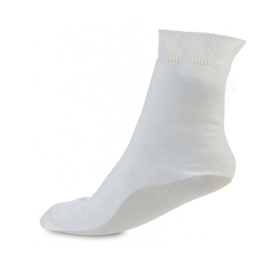
 Silipos Arthritic and Diabetic Socks - Silicone Lined£14.82 £12.35
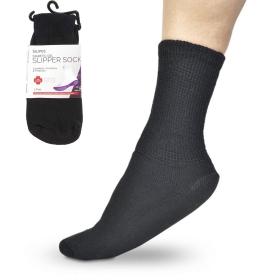 Flexi Diabetic Socks£12.97 £10.81
Sold: Pair
Incl. VAT Exl. VAT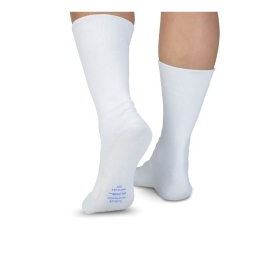 Softsock Diabetic Socks - Gel Lined for Neuropathy£35.21 £29.34
Sold: Pair
Incl. VAT Exl. VAT
SHOW PRICES WITH OR WITHOUT VAT? MANY BUSINESS CUSTOMERS PREFER TO VIEW PRICES EXCLUDING VAT.
0151 448 1228 (UK)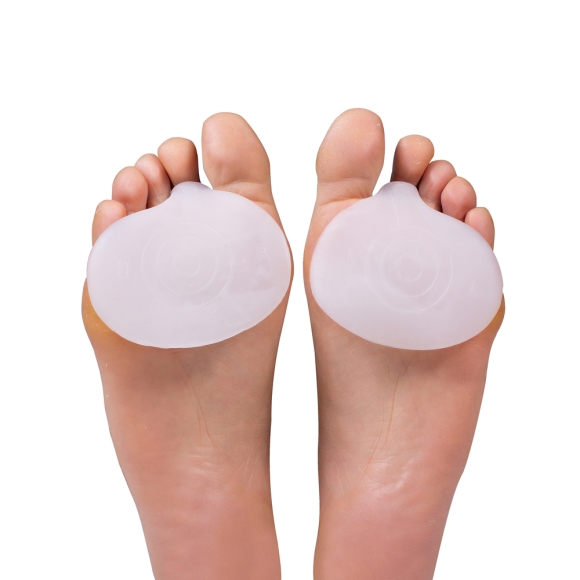


Forefoot cushioning • metatarsal support • gel protection
Forefoot Gel Pads for Feet: A Guide
Forefoot gel pads are structured cushioning inserts designed to reduce pressure under the ball of the foot, improve comfort in shoes and help protect tender or irritated areas during walking and standing.
Whether the issue is metatarsal pressure, general forefoot discomfort or rubbing in tighter footwear, the right gel pad can help make movement feel more cushioned and more manageable.
At Algeos, you can explore forefoot gel pads for everyday comfort, targeted metatarsal support and shoe-related pressure relief, including wearable gel cushions, low-profile forefoot pads, toe-combination designs and specialist options within the wider Gel Insoles & Foot Cushions range.
What are forefoot gel pads for feet?
Forefoot gel pads are soft inserts, sleeves or strap-based cushions designed to sit under, around or just behind the metatarsal area. Their role is usually to improve comfort by helping to spread load, reduce friction and soften local pressure during walking or standing.
They are commonly considered by people dealing with symptoms linked to metatarsalgia, burning forefoot discomfort, pressure from footwear, or irritation associated with Morton’s neuroma.
For some users, they are a simple standalone option. For others, they work better as part of a wider plan that may also include orthotic insoles, shoe changes or toe support devices.
Why people choose them
- To reduce pressure beneath the ball of the foot during daily activity.
- To add cushioning in shoes without moving to a full-length insole straight away.
- To improve comfort where walking, retail work, sport or standing aggravates the forefoot.
- To support conservative care for common forefoot problems and shoe-rubbing issues.
- To combine with other options such as foot supports or targeted condition-led products.
- To use a washable, reusable gel format that is soft against the skin and easy to place in footwear.
What types of gel pad are available?
Sleeve-style pads
These are worn on the foot rather than stuck into the shoe. They suit people who want a more stable fit and easy transfer between footwear.
Strap and loop designs
Useful when keeping the pad in place is a priority. Some designs combine cushioning with toe separation or light positional control.
Low-profile gel pads
Chosen when footwear space is limited. They can be a better match for slimmer everyday shoes where bulk is an issue.
Combined forefoot and toe protection
Helpful where forefoot pressure comes with digital friction, hammer toe irritation or overlap between the toes.
Some users compare gel products with felt or foam metatarsal additions. In simple terms, gel often feels softer and more cushioned against the skin, while traditional met pads from the metatarsal pads and forefoot cushions category may suit more structured insole modification or clinic-led positioning.
Common reasons people buy them
| Concern | How forefoot gel pads may help |
|---|---|
| General ball-of-foot soreness | Extra cushioning may help make standing and walking more tolerable by reducing localised loading beneath the metatarsal heads. |
| Neuroma-style forefoot irritation | A pad placed correctly can sometimes reduce aggravating pressure and improve shoe comfort around the forefoot. |
| Pain near the base of the big toe | Targeted offloading may help when local pressure around the first metatarsal complex is a trigger. |
| Bunion rubbing with forefoot overload | Gel cushioning can improve shoe comfort, especially when the problem is a combination of prominence and friction. |
| Hammer or claw toe pressure under the forefoot | Cushioning beneath the toes can sometimes reduce rubbing and make footwear more comfortable day to day. |
How to choose a sensible starting point
- Start with the problem you are trying to solve. Pressure beneath the metatarsal heads, burning forefoot pain, friction in shoes and digital crowding do not always need the same product.
- Consider footwear depth. If shoes are tight across the forefoot, choose a lower-profile option rather than adding too much bulk.
- Decide whether you want the pad on the foot or in the shoe. Wearable styles are useful for easy transfer between shoes; insole-style additions may feel more structured.
- Think about whether you need cushioning only or cushioning plus toe support. For alignment-related issues, a combined solution may be more practical.
- If symptoms extend beyond the forefoot, compare whether a full insole or condition-specific option from plantar fasciitis products or general orthotic insoles would be a better fit.
When a different route may be better
Forefoot gel pads are not the answer to every type of foot pain. When symptoms are being driven by wider biomechanical overload, limited shoe space, severe deformity or the need for stronger offloading, a broader solution may be more helpful.
As a practical rule, gel pads are often a good first step for local cushioning and shoe comfort. If that does not settle things, it can be worth moving toward more structured categories such as orthotic insoles, condition-led pages for metatarsalgia, or toe-focused support from the wider foot supports range.
Reusable Soft gel cushioning Forefoot pressure relief Everyday shoe comfort
Helpful guides and related advice
Metatarsalgia overview
Compare insoles, pads and conservative support routes for forefoot soreness.
Bunion buying help
See how sleeves, separators and protectors fit into bunion management.
Hammer toe product guide
A quick route into toe crests, splints and other pressure-relief options.
Popular products
Gel Metatarsal Pad with Toe Spreader
A combined design for users who want forefoot cushioning with gentle separation between the toes.
View productSilipos Gel Metatarsal Pads
A straightforward cushioning option for people focused on pressure reduction beneath the forefoot.
View productSlim Fit Gel-Fit Metatarsal Pad
A lower-profile wearable style designed for everyday shoe comfort and repeat use.
View productGel Toe Crest
Useful when forefoot pressure sits alongside hammer, claw or mallet toe irritation.
View productFrequently asked questions
What do forefoot gel pads actually do?
They are mainly used to cushion the ball of the foot, reduce local pressure and improve comfort in shoes. Some formats also help with friction control or toe spacing.
Are forefoot gel pads the same as metatarsal pads?
Not always. The terms are often used together, but some products are softer cushioning gels while others are more structured metatarsal additions designed for insole modification or more specific positioning.
Can they help with metatarsalgia?
They are commonly used as part of conservative care for metatarsalgia because they may make walking and standing more comfortable by reducing pressure beneath the forefoot.
Do they work for Morton’s neuroma?
They can be useful for some people, especially when the aim is to reduce aggravating forefoot pressure and improve shoe tolerance. Product choice and position matter.
Should I choose a sleeve, strap or in-shoe style?
Sleeve and strap designs tend to suit people who want the pad to stay with the foot and move easily between shoes. In-shoe additions can feel more structured but depend more on shoe fit and placement.
Can I wear gel forefoot pads all day?
Many are designed for repeated daily use, but it still makes sense to build wear gradually and check comfort, fit and skin tolerance, particularly in tighter footwear.
When should I look at a full insole instead?
References
- NICE Clinical Knowledge Summaries: mechanical foot problems
- NHS: plantar fasciitis and foot pain guidance
- American College of Foot and Ankle Surgeons: Foot Health Facts
- American Podiatric Medical Association
- NCBI Bookshelf: general background reading on common forefoot conditions
Sold: pair
Incl. VAT Exl. VAT