





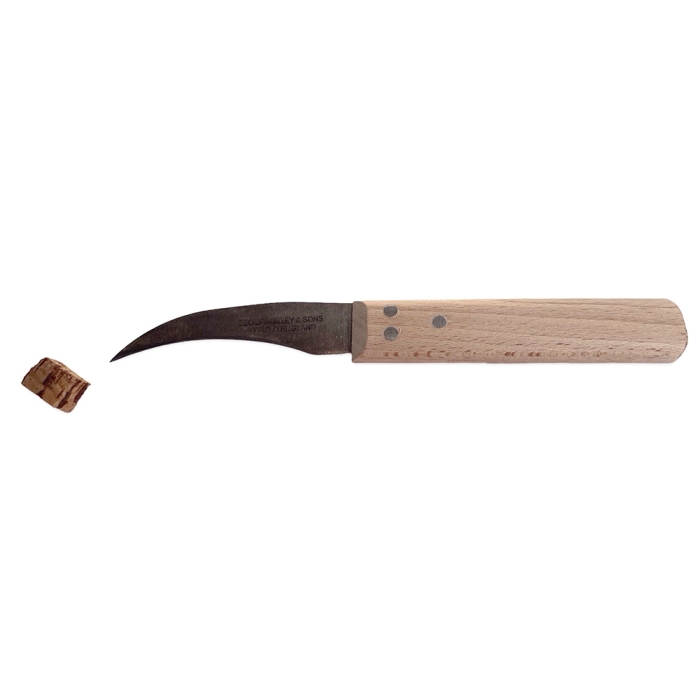
Breasting Knife - Steel Blade - For trimming of Soles and Heels
Our Breasting Knife is designed for effortless trimming of soles and heels, giving your shoes a perfect finish every time.
Supports precise shaping and finishing of footwear components.
Helps craftsmen achieve clean, professional edges.

Product Description
Precision Shoe Sole Trimming Knife
A specialist shoemaking knife designed for trimming and shaping soles and heels, helping craftsmen achieve precise edges and a clean professional finish.
What is it?
A breasting knife is a specialist tool used in the footwear industry to trim, shape and refine the edges of soles and heels during shoe construction or repair. It is designed to provide controlled, accurate cutting when working with leather, rubber or other materials commonly used in footwear.
The term “breasting” refers to the shaping and finishing of the front edge of a shoe heel where it meets the sole. Achieving a clean transition in this area is important for both the structural finish and visual appearance of the footwear.
The breasting knife is shaped and sharpened specifically to allow detailed cutting in these areas. Its blade allows craftsmen to remove small amounts of material with precision, helping to achieve consistent results across multiple pairs of shoes.
Because sole and heel finishing plays a significant role in the final appearance of footwear, tools such as breasting knives remain an important part of both traditional shoemaking and modern repair workshops.
Who is it for?
The breasting knife is intended primarily for professionals working in the footwear industry. This includes shoemakers, cobblers, orthopaedic footwear technicians and footwear repair specialists who require accurate cutting tools during construction or restoration work.
In bespoke shoemaking, the knife allows craftsmen to refine soles and heels to match the design and proportions of the shoe. Achieving smooth lines and precise shaping is essential when producing high-quality handmade footwear.
In repair workshops, the tool may be used when trimming replacement soles or reshaping heels after resoling work. Accurate trimming helps ensure that the repaired shoe maintains its original profile and finish.
It can also be used in manufacturing environments where footwear components are shaped during assembly. Even when working with production runs, consistent trimming contributes to uniform quality across finished pairs.
What does it help with?
- Sole trimming – allows controlled shaping of the shoe sole edge.
- Heel breasting – refines the front edge of the heel where it meets the sole.
- Footwear finishing – helps produce clean, professional edges.
- Repair work – useful when trimming replacement soles or heel components.
- Bespoke shoemaking – supports detailed finishing work on custom footwear.
- Consistency in production – enables repeatable trimming results.
How does it work?
The breasting knife works by allowing controlled hand trimming of materials used in footwear construction. When a sole or heel is attached to a shoe, excess material often needs to be removed and shaped so the edges follow the contours of the shoe.
The blade of the breasting knife is sharpened to allow precise cuts through leather and other sole materials. By guiding the blade carefully along the edge of the shoe, the craftsman can gradually trim the material until the desired shape is achieved.
The shape of the blade allows access to curved and angled areas, particularly around the heel breast. This is the front face of the heel block where it meets the sole. Achieving a smooth line in this area contributes to the overall visual balance of the footwear.
When used correctly, the tool allows the operator to remove thin layers of material rather than making deep cuts. This level of control helps maintain accuracy while reducing the risk of damaging surrounding components.
Expected Comfort / Use Timeline
First use
When first using a breasting knife, craftsmen may spend time becoming familiar with the blade angle and cutting technique required for sole and heel trimming. Correct positioning and steady hand control help produce accurate results.
Short-term use
With regular use, the knife becomes a dependable part of the finishing process in footwear work. Maintaining a sharp blade ensures smooth cutting and helps reduce effort when trimming materials.
Ongoing use
Over time, the knife continues to provide reliable trimming performance when properly maintained. Regular sharpening and careful handling help preserve the cutting edge and extend the life of the tool.
| Common problem | How the product helps |
|---|---|
| Uneven sole edges after attachment | The knife allows controlled trimming to create a clean edge. |
| Heel breast requires shaping | The blade design helps refine the front edge of the heel. |
| Repair work needs precise trimming | The knife enables careful shaping of replacement soles or heels. |
| Difficulty achieving a smooth finish | Accurate cutting helps improve the final appearance of footwear. |
| Mass production requires consistent finishing | The tool supports repeatable trimming results. |
| Excess material after sole attachment | The blade allows gradual removal of surplus material. |
Key benefits
- Specialist knife designed for trimming soles and heels.
- Supports precise shaping and finishing of footwear components.
- Helps craftsmen achieve clean, professional edges.
- Suitable for both footwear manufacturing and repair work.
- Allows controlled removal of material during finishing stages.
- Valuable tool for bespoke shoemaking and detailed craftsmanship.
Fit & comfort check
When using a breasting knife, the tool should feel secure and balanced in the hand while allowing controlled movement.
- Maintain a comfortable grip to support steady cutting.
- Use smooth, controlled strokes rather than forceful cuts.
- The blade should be sharp enough to cut cleanly without excessive pressure.
- A well-maintained knife improves accuracy and reduces user fatigue.
Common mistakes to avoid
- Using excessive force instead of allowing the sharp blade to do the work.
- Working with a dull blade, which can lead to rough cuts.
- Attempting to remove too much material in a single pass.
- Using the knife for tasks outside footwear trimming, which may damage the blade.
How to use
- Ensure the blade is clean and properly sharpened before use.
- Secure the shoe or component being worked on.
- Hold the knife firmly with a controlled grip.
- Trim small amounts of material along the edge of the sole or heel.
- Follow the natural shape of the footwear to maintain smooth lines.
- Inspect the edge regularly and continue trimming until the desired finish is achieved.
- Clean and store the knife safely after use.
Technical specifications
| Specification | Details |
|---|---|
| Product name | Breasting Knife |
| Product type | Footwear trimming knife |
| Primary use | Trimming soles and heels |
| Industry | Footwear manufacturing and repair |
| Suitable materials | Leather, rubber and common shoe sole materials |
| Cutting method | Manual precision trimming |
| Intended users | Shoemakers, cobblers, footwear technicians |
| Maintenance | Regular sharpening and safe storage recommended |
| Pack contents | 1 breasting knife |
Frequently asked questions
What is a breasting knife used for?
A breasting knife is used to trim and shape the edges of soles and heels during footwear manufacturing or repair.
Why is the heel breast important in shoe finishing?
The heel breast is the front face of the heel where it meets the sole. Proper shaping in this area helps ensure the shoe has a clean and balanced appearance.
Is this tool only used in handmade shoes?
No. While it is common in bespoke shoemaking, breasting knives are also used in repair workshops and certain production environments.
Can it be used on different sole materials?
Yes. The knife is suitable for trimming materials commonly used in footwear such as leather and rubber.
How should the knife be maintained?
The blade should be kept clean and sharpened regularly to maintain cutting accuracy.
Is it suitable for beginners?
It can be used by learners under supervision, but correct technique and safe handling are important when working with sharp tools.
Does the knife replace power tools?
It complements other tools by allowing detailed hand finishing where precision and control are required.
Complementary / pairing suggestions
The breasting knife is often used alongside other footwear manufacturing and repair tools. These may include sole knives, edge irons, rasps, sanding tools, adhesives and stitching equipment used during shoe construction.
In repair workshops, the knife may be paired with replacement soles, heel blocks and finishing materials that help restore worn footwear. Together, these tools support accurate shaping and professional finishing throughout the shoemaking process.
Content credibility
Written by: Algeos Product & Clinical Content Team
Last reviewed: March 2026
This content is provided for product guidance and informational purposes. It is not a substitute for professional training in footwear manufacturing or tool use.
Frequently bought together
Sold: Each
Incl. VAT Exl. VAT
Sold: Each
Incl. VAT Exl. VAT
Sold: Each
Incl. VAT Exl. VAT
Sold: Each
Incl. VAT Exl. VAT
Sold: Sold per Metre - Cut form 50m Roll
Incl. VAT Exl. VAT
Sold: Each
Incl. VAT Exl. VAT
Sold: Skin
Incl. VAT Exl. VAT
Sold: Skin
Incl. VAT Exl. VAT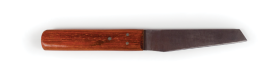
Sold: 100g
Incl. VAT Exl. VAT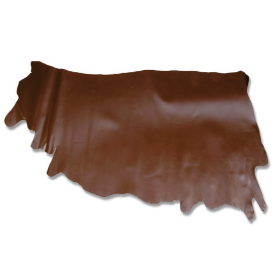
Sold: Skin
Incl. VAT Exl. VAT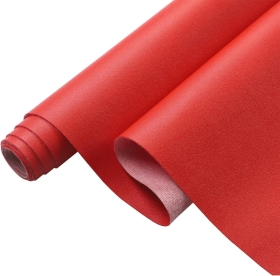
Sold: Sold per Sheet
Incl. VAT Exl. VAT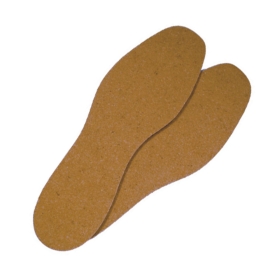
Sold: Pair
Incl. VAT Exl. VAT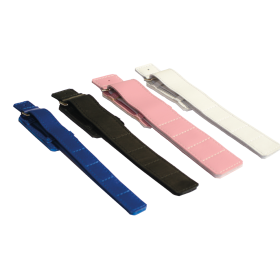
Sold: Sold Individually
Incl. VAT Exl. VAT
Sold: Each
Incl. VAT Exl. VAT