SHOW PRICES WITH OR WITHOUT VAT? MANY BUSINESS CUSTOMERS PREFER TO VIEW PRICES EXCLUDING VAT.
0151 448 1228 (UK)




- Home
- Orthotic Therapy
- Condition Specific Solutions
- Peroneal Tendinitis
Orthotics and Heel Wedges for Peroneal Tendinitis
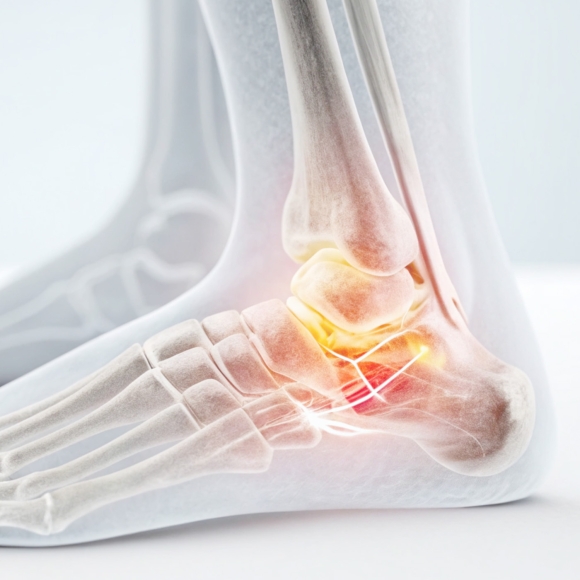
Peroneal tendinitis causes pain and irritation on the outside of the ankle. It is often caused by overuse, high arches, or ankle instability. It’s common in runners and athletes, but it can affect anyone. The discomfort is due to inflammation in the tendons that stabilise your foot during movement.
Supportive insoles and ankle braces are often recommended to reduce strain and improve alignment. These help offload pressure on the tendons, especially in those with high arches or who over-supinate. Heel wedges and lateral supports can also aid recovery.

Guide: How Foot Orthotics Can Help with Peroneal Tendinitis
Peroneal Tendinitis is a painful condition. It affects the tendons on the outside of the lower leg. These tendons wrap around the ankle. These tendons, known as the peroneus longus and peroneus brevis, help to stabilise the foot. They are important during movements like walking, running, or balancing on uneven ground.
When these tendons become inflamed, it can lead to pain. This often happens due to overuse or poor movement. You may also notice swelling and tenderness around the outer ankle. Thankfully, a combination of proper rest, rehabilitation and targeted footcare products can significantly ease symptoms and support recovery.
What Causes Peroneal Tendinitis?
The condition is often caused by repetitive stress or overload on the peroneal tendons. This can happen due to more physical activity, like running or hiking. It can also be caused by bad shoes or unusual foot posture, such as high arches or rolling the foot outward too much.
Ankle sprains and chronic ankle instability are also common contributing factors. Once the tendons are irritated, each step can worsen the strain, creating a vicious cycle of discomfort.
How Orthotics Can Help
Foot orthotics are one of the most effective conservative treatments for Peroneal Tendinitis. These in-shoe devices help by rebalancing pressure and improving foot alignment, which reduces tension on the affected tendons.
For people with high arches or who supinate, orthotics can offer support. This helps stop the foot from tipping outward and putting stress on the peroneal tendons.
Prefabricated orthotics such as Slimflex Green or Slimflex Comfort insoles are designed to improve stability and reduce abnormal foot movements. They’re especially useful in the early stages of the condition or for those looking for an off-the-shelf solution.
Custom-made orthotics may be recommended by podiatrists for people with more complex foot mechanics or recurrent tendinitis. These are tailored to address specific alignment issues and are often used alongside strengthening exercises and physiotherapy.
Lateral Wedges and Heel Lifts
For some patients, adding special parts to their shoes, like lateral heel wedges, can help reduce strain on the peroneal tendons. These devices gently tilt the heel inward, helping to counteract the outward rolling of the foot. By doing this, they lessen the strain on the tendons. This can bring clear relief, especially when walking on uneven ground or during sports.
Heel lifts are another useful tool, particularly if leg length discrepancy or Achilles tightness is contributing to symptoms. Elevating the heel slightly can reduce overall strain through the lower leg and ankle complex.
Foam, EVA, or cork heel lifts are commonly used and can be placed directly into the shoe, often under an orthotic device. These lifts are simple, inexpensive, and surprisingly effective when used as part of a broader treatment plan.
Ankle Supports and Bracing
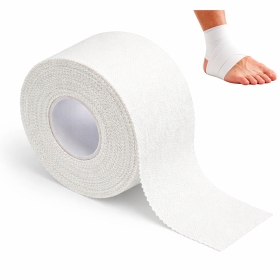
Ankle braces and support straps are often suggested for people with Peroneal Tendinitis. This is especially true for those who have had ankle sprains or instability before. A lace-up or figure-of-eight brace can limit excessive motion that may aggravate the tendons. Some braces are made to give focused compression. This can help reduce swelling and provide support while moving.
In milder cases or during the return-to-activity phase, lightweight compression sleeves or ankle wraps may be enough to provide comfort and confidence. For athletes, these can be worn inside sports shoes without restricting motion too much, helping to ease back into training without risking further damage.
Cold Therapy and Massage Tools
During flare-ups, managing inflammation is key. Cold packs and ice wraps applied to the outer ankle can help reduce swelling and ease pain. Products like reusable gel packs or cold compression wraps mould around the ankle and can be kept in the freezer between uses. They’re especially helpful after long periods of standing or activity.
Massage balls and foam rollers can also be used to release tension in the peroneal muscles higher up the leg. Tightness in these muscles can increase pull on the tendons, worsening symptoms. Regular use of a spiky massage ball or foam roller on the outer calf can support long-term recovery and help prevent recurrence.
Choosing the Right Footwear
While orthotics and inserts go a long way, they work best when paired with appropriate footwear. Supportive shoes with a firm heel counter, cushioned midsole, and good arch support can significantly reduce the load on your tendons. Running shoes with neutral or stability features, depending on your foot type, are usually the best starting point.
It’s also important to avoid worn-out trainers, flat fashion shoes, or overly soft footwear with no structure. If you’re unsure about what to wear, many podiatrists can perform a gait analysis and recommend suitable options for your activity level and foot shape.
When to Seek Professional Help
If pain from Peroneal Tendinitis doesn’t settle with rest and over-the-counter supports, it’s best to consult a podiatrist or physiotherapist. They can assess your foot biomechanics, recommend appropriate orthotic therapy, and guide you through rehabilitation. In some cases, imaging (like ultrasound or MRI) may be needed to check for tendon tears or chronic damage.
Summary
Foot orthotics, heel lifts, and supportive products offer a non-invasive and effective way to manage Peroneal Tendinitis. By correcting alignment and reducing strain, these tools help the foot and ankle. They ease pain, promote healing, and prevent it from coming back.
Sold: 1 Roll
Incl. VAT Exl. VAT