SHOW PRICES WITH OR WITHOUT VAT? MANY BUSINESS CUSTOMERS PREFER TO VIEW PRICES EXCLUDING VAT.
0151 448 1228 (UK)





Condition-specific support
Arch Supporting Orthotic Insoles User Guide
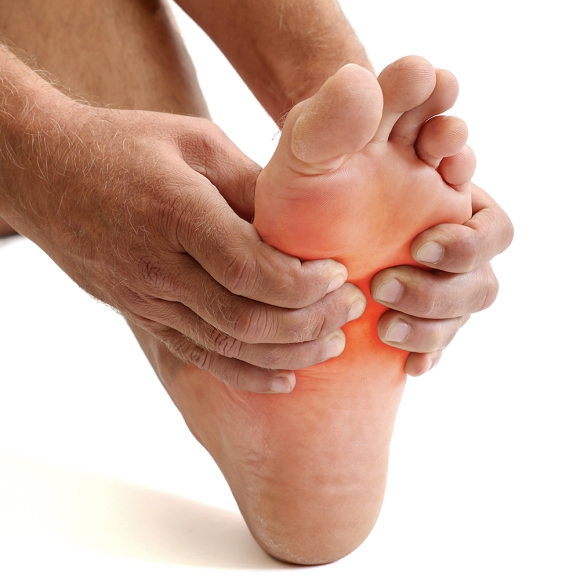
Arch pain can make everyday walking, standing and sport feel uncomfortable, especially when the foot is not getting the support it needs. It may be linked to plantar fascia strain, flat feet, overuse or footwear that does not provide enough stability through the arch.
The right orthotic insole can help by redistributing pressure, supporting foot alignment and improving comfort during daily activity.
For many people, arch support insoles are a practical way to reduce strain on the foot and make movement feel more stable and supported.
What causes arch pain?
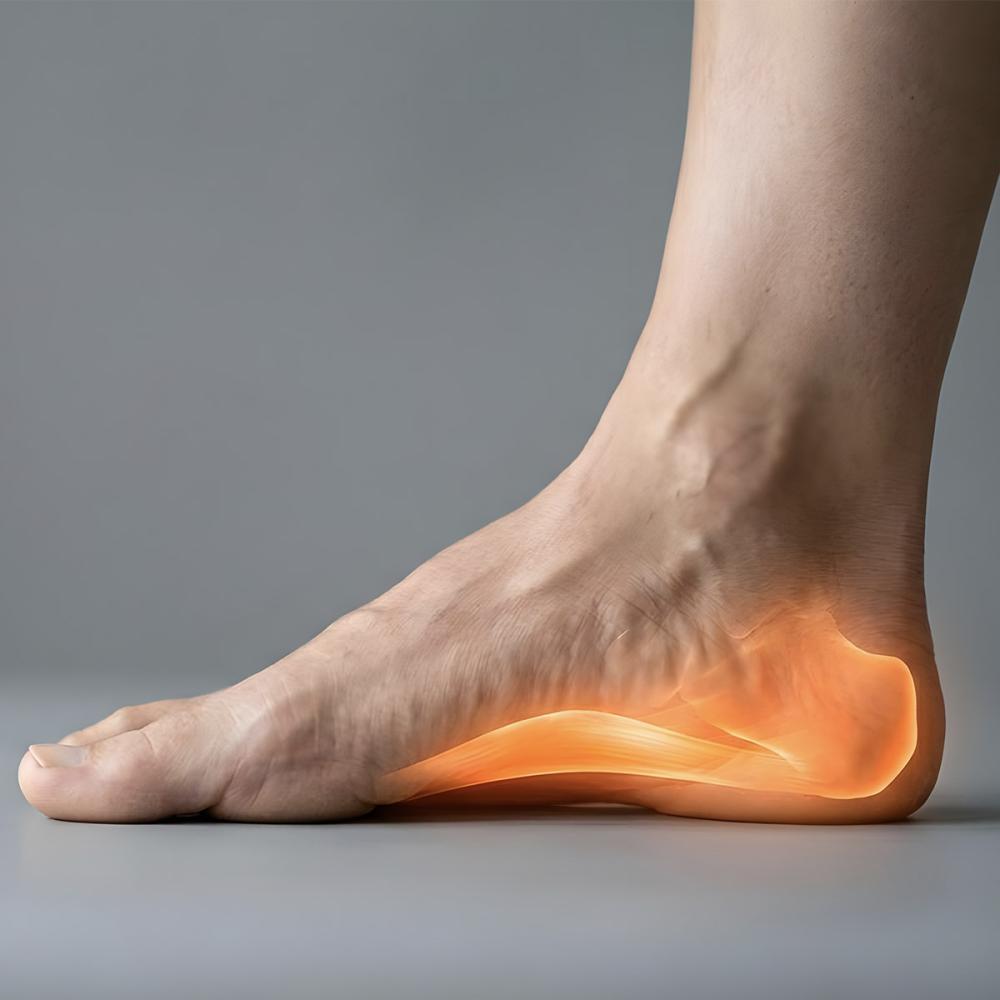
The arch of the foot is a complex structure made up of bones, ligaments, muscles and connective tissue. When these structures become overloaded or strained, pain may develop along the inner arch or midfoot.
One of the most common causes is strain through the plantar fascia, the connective band running from the heel to the toes. This is why arch pain often appears alongside plantar fasciitis.
Other contributing factors include foot structure, footwear, sudden increases in activity or poor support during long periods of standing.
Common causes of arch pain
- Flat feet or fallen arches (pes planus)
- Overpronation during walking or running
- Strain in the plantar fascia
- Foot fatigue from prolonged standing
- Poorly supportive footwear
- Running or sport-related overuse
- Sudden increase in activity levels
If arch pain is severe, persistent, associated with swelling or follows an injury, seek professional assessment from a podiatrist or healthcare professional.
How arch support insoles help arch pain
Structured arch support
Supportive insoles cradle the midfoot and help maintain the natural shape of the arch during walking and standing.
Pressure redistribution
Orthotic shells help spread body weight more evenly across the foot, which may reduce strain through the plantar fascia.
Improved foot alignment
By supporting the arch and stabilising the heel, orthotics can improve lower limb alignment and walking mechanics.
Reduced fatigue
Supporting the arch reduces muscular strain in the foot, which may improve comfort during long periods of standing.
Shock absorption
Cushioned layers help absorb impact forces during walking or sports activities.
Footwear support
Orthotic insoles help stabilise the foot inside the shoe, improving comfort and control.
Common arch pain presentations and support options
| Concern | How support may help |
|---|---|
| Mild arch strain | Improves everyday foot support and reduces fatigue |
| Arch pain with heel pain | Supports the plantar fascia and redistributes pressure |
| Flat feet with arch fatigue | Supports fallen arches and improves stability |
| Running or sports-related arch pain | Provides structured support during high-impact activity |
| Arch pain in tighter footwear | Low-profile orthotic improves shoe compatibility |
Types of insoles for arch pain
Arch support insoles
Designed to support the midfoot and reduce excessive flattening of the arch. Ideal for everyday comfort and mild symptoms.
Structured orthotic insoles
More rigid orthotic shells provide stronger biomechanical support and may help control excessive foot movement.
3/4 length orthotics
Shorter devices that fit better into tighter shoes while still providing meaningful arch support.
Sport orthotics
Designed for higher activity levels where shock absorption and foot stability are important.
Clinical prefabricated orthotics
Products such as Interpod orthotics offer deeper heel cups and more structured support.
Low-profile orthotics
Slimflex insoles provide strong support while fitting comfortably in everyday footwear.
How to choose insoles for arch pain
- Identify where the pain occurs. Pain near the heel may indicate plantar fascia strain, while mid-arch discomfort may relate to fatigue or poor support.
- Consider your activity level. People who walk long distances or run may benefit from firmer orthotic support.
- Look at your footwear. Shoes with removable liners and a firm heel counter usually work best with orthotic insoles.
- Choose the right support level. Softer comfort insoles may suit mild fatigue while firmer orthotics are often better for biomechanical control.
- Allow a bedding-in period. Most orthotics feel best after gradually increasing wear over one to two weeks.
Helpful guides and advice
Arch Support Insoles Guide
How arch support works and which styles suit different foot types.
What Are Orthotics?
An overview of orthotic therapy and how insoles support foot biomechanics.
Best Orthotic Insoles UK
A comparison of different orthotic insole designs available in the UK.
Slimflex Explained
Learn how Slimflex orthotics work and why they are widely used in podiatry.
Understanding Flat Feet
How flat feet affect arch function and foot mechanics.
FAQ
Can arch pain go away on its own?
Mild arch pain caused by overuse or fatigue may improve with rest, footwear changes and better foot support.
Are arch support insoles good for plantar fasciitis?
Yes. Supporting the arch can reduce tension in the plantar fascia and improve comfort during walking.
Do flat feet cause arch pain?
They can. When the arch collapses excessively it may strain ligaments and connective tissues, leading to discomfort.
How long do orthotic insoles last?
Most orthotic insoles last between 6–18 months depending on use, body weight and activity level.
Can arch support help knee or ankle pain?
Supporting the arch can influence lower limb alignment which may reduce strain on the knees and ankles.
References
- NHS – Plantar Fasciitis
- NICE Guidance on Foot Pain
- Journal of Foot and Ankle Research
- BMC Musculoskeletal Disorders
Product Category Manager
Marc Cameron
Product and digital lead with extensive experience in health-related product development and orthotic therapy education. 25 years. Writing for educated consumers who want clear, evidence-informed guidance without the marketing fluff.
Sold: 1 Roll
Incl. VAT Exl. VAT