



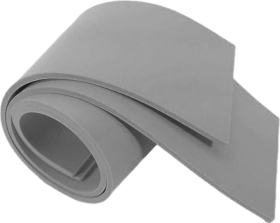
 Poron 4000 Mini Sheet - Performance Grade£12.07 £10.06
SHOW PRICES WITH OR WITHOUT VAT? MANY BUSINESS CUSTOMERS PREFER TO VIEW PRICES EXCLUDING VAT.
0151 448 1228 (UK)- Home
- Orthotic Therapy
- 3D Printed Orthotic Insoles
- Top Covers for 3D Printed Insoles
Top Covers for 3D Printed Insoles
The top-covering range for 3D-printed orthotic insoles from Algeos addresses the growing need for high-performance, customisable finishing materials that both protect the printed substrate and enhance comfort and durability.
Ideal for clinics and orthotic labs working with 3D-printed insole shells, the range offers a selection of leather, synthetic leathers and advanced cushioning sheets (such as Poron laminates) that allow you to tailor the user experience without compromising the light, precise geometry of the underlying 3D-printed structure.
With professional-grade materials from recognised brands and the backing of Algeos’ orthotic-therapy expertise, this top-covering range bridges the gap between additive manufacturing and high-end podiatric finishing.
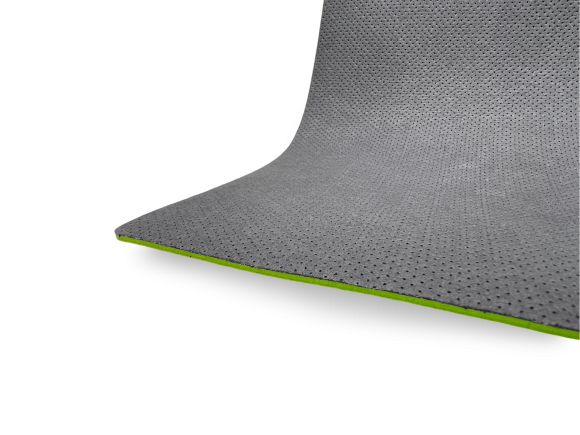
Covers for 3D-Printed Orthotic Insoles - Premium Finishing for Premium Devices
3D-printed foot orthoses give you highly precise geometry and consistent repeatability; the top cover is what transforms that precision shell into a premium device that feels as good as it performs.
Algeos' range of covers for 3D-printed insoles has been selected to complement high-end digital orthotics, adding cushioning, shear reduction, moisture management and a professional finish without compromising the underlying 3D design.
Within the range you’ll find PORON medical urethanes, Plastazote and other polyethylene foams, PORON–Plastazote laminates, Slimflex pre-formed top covers (these dovers fit most 3D insoles brands), performance fabrics, leather and synthetic leather sheets, plus chairside PORON pads for quick modifications.
Each material family is available in practical thicknesses and sheet sizes - so you can either laminate directly to a 3D-printed shell in the lab or carry out rapid upgrades in clinic.
Why top-cover materials matter clinically
It’s not just the shell that influences outcomes. A systematic review of orthotic materials found that polyurethane foams (including PORON), polyethylene foams (including Plastazote) and EVA all helped reduce peak plantar pressures in different regions of the foot during walking. Landorf et al., Journal of Foot & Ankle Research.
More recent work focusing specifically on insole top covers has also shown that the choice and thickness of foam top cover can significantly alter peak pressure values in people with diabetes and neuropathy. MDPI Sensors top-cover study. In other words, a well-chosen cover can actively support off-loading and comfort, not just improve cosmetics.
PORON and Plastazote - proven pressure management
PORON medical urethane foams are widely used in orthotics because of their slow-rebound cushioning, ability to increase contact area and potential to lower localised pressures. Laboratory work comparing “slow recovery” PORON insoles with standard PORON indicates that these materials can increase plantar contact area and reduce contact pressures in key regions of the foot. Ulster University Poron study.
When those same PORON grades are used as top covers on a rigid or semi-rigid 3D-printed shell, you retain precise biomechanical control while giving sensitive tissues a forgiving, energy-absorbing interface.
Plastazote and other polyethylene foams have long been used as accommodative materials, especially for high-risk feet. Classic clinical studies on insole materials demonstrated that Plastazote could substantially lower pressures over painful plantar areas compared with baseline, and that it was among the most effective materials tested for pressure relief. Leber & Evanski, O&P Journal; follow-up analysis.
Combining Plastazote with PORON in laminated sheets (as you’ll find in several covers in this range) gives you a firm, shape-retentive base with a softer, more resilient layer where the foot meets the device.
Studies specifically comparing different insole constructions for diabetic feet have also highlighted combinations using Plastazote base layers and softer PORON “plugs” in high-pressure regions as effective for off-loading. multi-plug insole work using Plastazote and Poron.
This type of multi-density thinking is baked into many of the PORON/Plastazote laminates available for 3D-printed shells in the Algeos range.
Bamboo and performance textiles - comfort, moisture and odour control
Slimflex top covers using bamboo-derived textiles bring a modern take on comfort and hygiene. Research on bamboo fabrics suggests they can offer excellent moisture management, high comfort scores and, in some cases, antibacterial activity compared with conventional cotton. Dakuri et al., 2023; Akarslan et al., 2024.
Reviews of bamboo fibres similarly highlight their potential antimicrobial and comfort properties when processed appropriately. Gokarneshan & Khan; bamboo fibre antibacterial review.
When these fabrics are laminated over PORON or EVA on a 3D-printed device, you get the best of both worlds: the orthotic does the mechanical work under the hood, while the top cover keeps the foot feeling dry, fresh and less prone to odour – important for patient adherence with long-term orthotic use.
Leather and synthetic leather - durability and premium aesthetics
For patients who prefer a more “traditional” orthotic look, the range includes Leather-Tec insole covers, Yampi synthetic leather and Dry-Best style performance linings. Leather and engineered synthetic linings are valued in the footwear literature for combining durability with a smooth, relatively low-friction surface that helps minimise shear while still allowing the foot to slide slightly during gait.
On a 3D-printed shell this delivers a smart, shoe-like finish that matches the expectations of premium custom devices and is particularly suitable for dress shoes or high-end footwear.
Top covers and premium 3D-printed orthoses: working together
A recent review of insole materials and plantar pressure reduction makes the point that orthopaedic insoles reduce peak plantar pressure primarily because of their materials, and that material choice can be tuned to different risk profiles and conditions. Appl. Sci. review of insole materials.
For premium 3D-printed orthoses, this means the printed shell provides the structural alignment and motion control, while your choice of top cover fine-tunes pressure distribution, cushioning feel, temperature, moisture and wear life.
Because the Algeos cover range has been curated with digital manufacturing in mind, the materials are thin enough to preserve the calibrated geometry of the 3D-printed shell, yet resilient enough to deliver measurable comfort for everyday wear.
Whether you select a PORON/Plastazote laminate for a high-risk diabetic patient, a bamboo-textile Slimflex cover for an active runner, or a leather finish for executive footwear, each option is there to help your 3D-printed orthotics live up to their “premium” promise in real-world use.
Key material families at a glance
| Material family | Typical role on 3D-printed shell | Key benefits |
|---|---|---|
| PORON medical urethane | Primary cushioning / pressure redistribution layer |
Slow-rebound comfort, increased contact area, pressure and shock attenuation |
| Plastazote and polyethylene foams | Accommodative interface, often for high-risk feet |
Proven plantar pressure reduction and conformity to foot shape |
| PORON / Plastazote laminates | Multi-density covers over corrective shells |
Firm support with softer “plug” zones for targeted off-loading |
| Bamboo and performance textiles | Top cloth over foam or EVA |
Moisture management, comfort, potential antimicrobial and odour benefits |
| Leather / synthetic leather | Premium finish layer |
Durability, smooth low-friction surface, classic orthotic aesthetics |
Taken together, this cover range lets you specify a 3D-printed orthotic as a complete system: precision-printed shell plus evidence-informed top cover, working in harmony to protect the foot, enhance comfort and deliver the premium experience your patients expect.
Sold: Sold per Mini Sheet
Incl. VAT Exl. VAT