




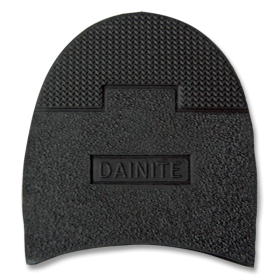
 Dainite Rubber HeelsIncl. VAT Exl. VAT£11.94 £9.95
SHOW PRICES WITH OR WITHOUT VAT? MANY BUSINESS CUSTOMERS PREFER TO VIEW PRICES EXCLUDING VAT.
0151 448 1228 (UK)- Home
- Materials
- Shoe Materials and Shoe Repair Supplies
- Shoe Sole Units
Shoe Sole Units
A sole unit is the part of a shoe that is located under the foot and makes contact with the ground. It is typically made of a durable, flexible material such as rubber or polyurethane and is designed to provide cushioning, support, and traction for the wearer.
The sole unit is an important component of a shoe, as it helps to protect the foot from the impact of walking and running, and it helps to improve the stability and comfort of the shoe.
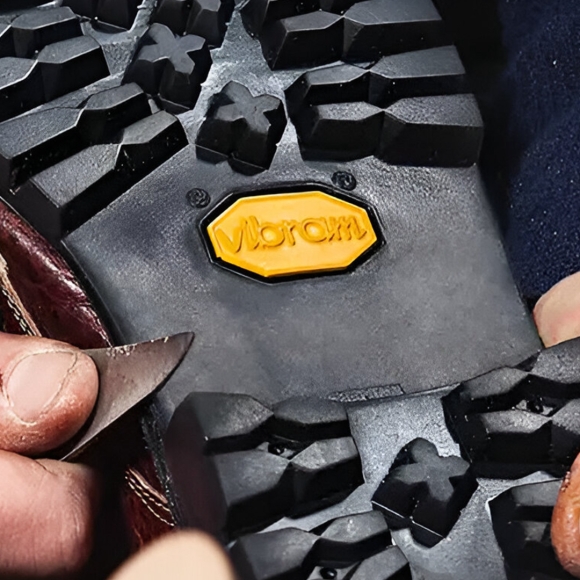
Sole Unit Bonding Advice
When cementing sole units, different steps should be taken, depending on the sole’s compound and the material to which the sole is going to be cemented to. Below is a guide on how to best work with various materials.
Identifying the Materials
The first step in the choosing the correct adhesive is to identify the material to be cemented, differentiating between PVC, rubber, leather, PU, TR, and plastic.
Prepare the Surface
Using heavy grit sandpaper, buff the soles and/or heels to be replaced, as well as the part to which the new Vibram product is to be applied. Remove all surface dust and apply a thinner, especially if the surface is oily. We suggest following these processes, even if the product is pre-buffed.
Apply the Adhesive
Be sure the adhesive is applied within 72 hours of buffing.
Drying times
There is an inverse relationship between temperature and drying time: if temperature increases, then the drying time decreases. Therefore, at high temperatures, the drying process will quicken.
There is also an inverse relationship between dampness and drying time. If dampness increases, the drying process will slow. Attention also needs to be paid to external temperature. Adhesives which have been exposed to cold during shipment or storage should be left at room temperature for several hours before being used.
Opening time
An adhesive must be left “open” for it to harden. Temperature and dampness affect the “opening time.” Due to absorption, some expanded materials may also require a second layer of adhesive to be applied. Be sure adequate adhesive is visible on the surface.
Additional points to remember:
- If the product is put into a press, ensure that there is enough pressure to achieve perfect fusion of the materials.
- Leave the product in the press for at least 15 seconds in order to obtain a sufficiently strong bond.
- If the opening time has expired, the adhesive can be reactivated with heat. This can be achieved by means of a heat lamp, stream, or heat gun.
- Before moving on to the finishing stage, wait several hours to prevent possible reactivation of the glue and therefore possible detachment.