



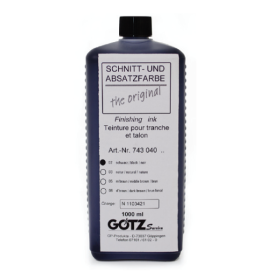
 GP Finishing Ink for Shoe Soles£21.60 £18.00£33.82 £28.18
Sold: 1 Litre
Incl. VAT Exl. VAT
SHOW PRICES WITH OR WITHOUT VAT? MANY BUSINESS CUSTOMERS PREFER TO VIEW PRICES EXCLUDING VAT.
0151 448 1228 (UK)- Home
- Materials
- Shoe Materials and Shoe Repair Supplies
- Colouring for Shoe Making
Colouring for Shoe Making
Shoe colouring is the process of adding colour to the surface of a shoe or boot. This can be done using a variety of methods, including painting, dyeing, and printing.
The choice of colouring method will depend on the specific requirements of the shoe and the materials being used. For example, leather shoes may be dyed using a liquid dye, while synthetic shoes may be painted using a spray or brush-on paint. Printing techniques, such as screen printing or heat transfer printing, may also be used to add patterns or designs to the surface of the shoe. It is an important step in the shoe manufacturing process, as it allows for a wide range of design options and helps to create the desired aesthetic appearance of the shoe.
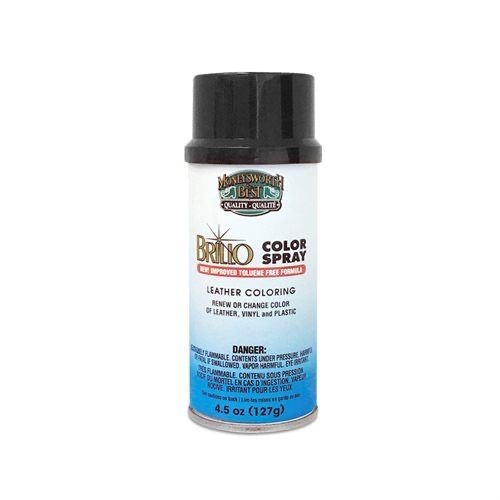

The Art of Bespoke Shoemaking and the Colouring Process
Bespoke shoemaking is a craft that blends precision, artistry, and tradition to create custom footwear tailored to the wearer's exact specifications. Unlike mass-produced shoes, bespoke shoes are handcrafted, often using techniques passed down through generations of skilled artisans. Each pair is unique, designed to fit the client's feet perfectly, ensuring comfort and a personalised style.
The Bespoke Shoemaking Process
The journey of creating bespoke shoes begins with an initial consultation, where the shoemaker takes detailed measurements of the client's feet. This includes assessing the length, width, arch, heel, and any unique characteristics. These precise measurements are crucial for ensuring the final fit of the shoe.
Following the measurements, a custom last (a foot-shaped mold) is created. This last is the foundation of the shoe. The client then selects the materials, often opting for high-quality leather, and chooses the colour and finish. The shoemaker cuts the leather pieces, which are carefully stitched together by hand. The upper part of the shoe is then shaped over the last, ensuring it conforms perfectly to the mold.
Next, the sole is attached to the upper, followed by the insole and lining. The finishing touches, such as broguing, polishing, and other custom elements, complete the shoe, resulting in a bespoke product that combines comfort, durability, and unique style.
The Colouring Process in Bespoke Shoemaking
Colouring is a critical component of bespoke shoemaking, allowing for customisation and personal expression. The colouring process includes several stages:
1. Preparing the Leather
The leather must be cleaned and prepared before any colour application. This step removes oils, dirt, and previous finishes that could affect the dye’s absorption.
2. Dye Application
The dye is applied using brushes, sponges, or spray guns, depending on the desired effect. Multiple layers may be applied to build up the intensity of the colour.
3. Drying
Once applied, the leather is allowed to dry completely, ensuring the colour sets properly.
4. Finishing
The leather is polished and buffed to bring out its shine and add a protective layer. Additional products, such as waxes or creams, may be used to enhance the colour’s depth.
5. Customisation
Clients can choose from a range of colours, from classic hues to custom-mixed shades. The shoemaker can create unique effects, such as antique finishes, to add individuality to the footwear.
Frequently Asked Questions (FAQ) About Bespoke Shoemaking and Colouring
1. What is the difference between bespoke and ready-to-wear shoes?
Bespoke shoes are custom-made to fit the client's feet, offering personalised design and unmatched comfort. Ready-to-wear shoes are mass-produced in standard sizes, which may not provide the same level of fit or customisation.
2. How long does it take to make a pair of bespoke shoes?
The process can take several weeks to months, depending on the design's complexity and material availability.
3. Can I choose any colour for my bespoke shoes?
Yes, clients can choose from a wide range of colours or even request custom-mixed shades.
4. What is a patina, and how is it applied?
A patina is a finish that gives leather an aged appearance. It is applied by layering different shades of dye and polish to create depth and texture.
5. How should I care for my bespoke shoes to maintain their colour?
Regular cleaning and conditioning are essential. Use a soft cloth to remove dirt, and apply a leather conditioner to keep the leather supple. Avoid excessive moisture and direct sunlight to prevent fading.
6. Can bespoke shoes be re-dyed or recoloured?
Yes, bespoke shoes can often be re-dyed or recoloured by a professional.
7. What are the most popular colours for bespoke shoes?
Classic colours like black, brown, and tan are popular, but unique shades like burgundy and navy are also favoured.
8. How much do bespoke shoes cost?
The cost varies depending on materials, design complexity, and the shoemaker’s reputation. Prices typically start at several hundred pounds.
9. What makes bespoke shoes more durable than ready-to-wear options?
Bespoke shoes are made with higher-quality materials and hand-crafted precision, resulting in a more durable product that can be repaired and resoled multiple times.
10. Can bespoke shoes be made for special occasions or specific needs?
Yes, bespoke shoes can be customised for special occasions or specific requirements, such as orthopaedic needs.
Conclusion
Bespoke shoemaking is an art that combines traditional craftsmanship with modern techniques, resulting in footwear that is both beautiful and functional. The colouring process adds a layer of personalisation, allowing clients to create a unique product that reflects their style. Whether you desire a classic look or a bold statement piece, bespoke shoes offer unmatched quality and individuality.
Sold: 1 Litre
Incl. VAT Exl. VAT