



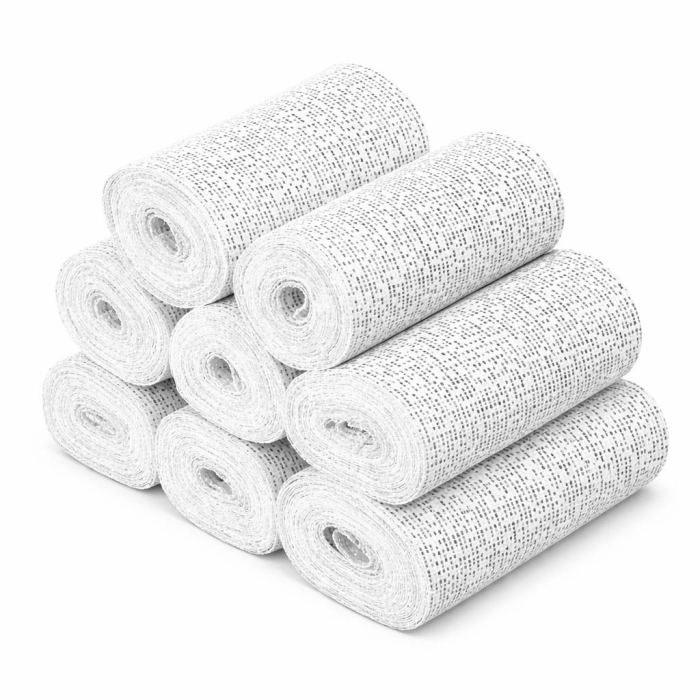
Multicast Plaster of Paris Bandages
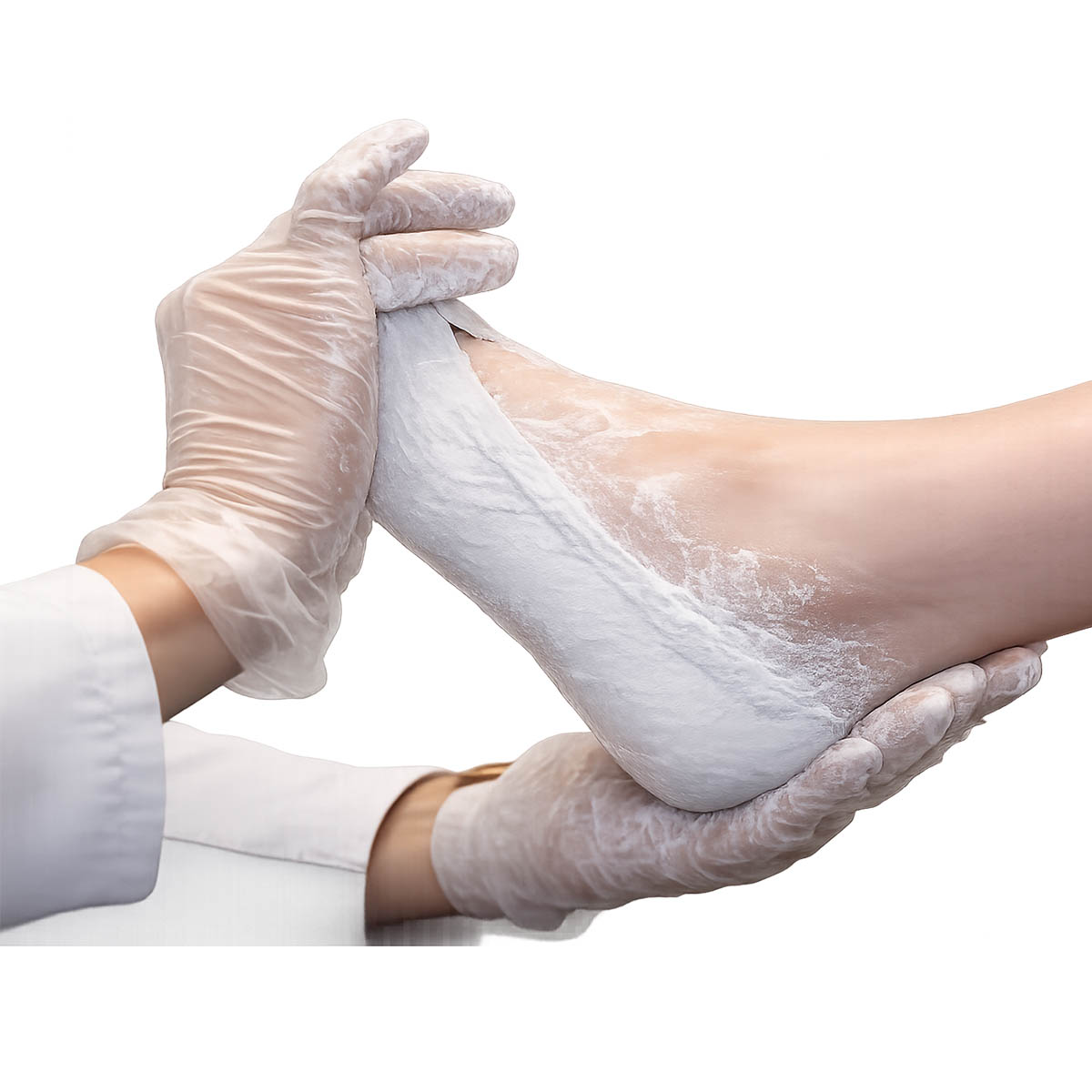
our plaster of paris bandages are suitable for creating positive plaster models that can be modified and refined before the final device is produced.
Useful in the manufacture of custom foot orthoses.
Can be used as part of the production process for ankle-foot orthoses, shoe inserts and accommodative devices.
Appropriate for some braces and support shells where a stable, well-formed positive model is needed.
Can also be used for generic everyday crafts and casting tasks.
Sold: Pack of 12
Incl. VAT Exl. VAT
Product Description
Multicast Plaster of Paris Bandages
Multicast Plaster of Paris Bandages are designed for fast, dependable cast formation where strong support, smooth finishing and good moulding control are needed.
Supplied in packs of 12, they are suitable for orthopaedic casting, immobilisation and general plaster-based clinical work.
They are a practical choice for clinicians, technicians and healthcare teams who need a plaster bandage that shapes well during application and sets with the rigidity needed to support the treatment area.
Key Selling Points
Smooth finish
Helps produce neat, professional casts with a more refined final surface.
Excellent moulding ability
Shapes closely around the treatment area to support accurate cast formation.
Strong support once set
Provides the rigidity needed for immobilisation and structured limb support.
Trusted for routine casting
Suitable for regular use in orthopaedic, wound care and general clinical settings.
What It Does and How It Works
These bandages use plaster of Paris to create a mouldable support layer that can be wrapped, shaped and formed around the required area during application. While still workable, the bandage can be adjusted to achieve a close fit and the level of support needed for the task.
Once set, it becomes rigid enough to help maintain position and reduce unwanted movement. This makes it useful for orthopaedic casts, immobilisation, support of injured limbs and customised casting where accurate shaping is important.
It can also be used when creating positive models for further fabrication work. Once the cast model has been formed and refined, it can support the manufacture of custom orthoses and other bespoke devices.
Common Problems It May Help With
Fracture management
Used to create supportive casts that help restrict movement around the affected area.
Limb immobilisation
Suitable where stable external support is required during recovery or treatment.
Custom cast creation
Useful for applications that require close moulding and a consistent finished shape.
General wound care support work
Can be used within broader plaster-based care workflows where rigid support is needed.
Applications and Suitability
Suitable for
- Orthopaedic casts
- Orthotics and prosthetics
- Immobilisation of fractures and injuries
- Support of injured limbs
- Customised cast formation
- Hospitals, clinics and home care settings
- Crafts and workshop use
Typical users
- Orthopaedic teams
- Healthcare professionals involved in casting
- Clinicians managing immobilisation and support
- Technicians using plaster for impression and cast work
- Home crafters, schools and colleges
Making custom orthoses
The positive model can be modified and used to manufacture a range of custom supportive devices where shape accuracy and consistency are important.
- Custom foot orthoses
- Ankle-foot orthoses
- Shoe inserts
- Accommodative devices
- Some braces or support shells
Workshop and fabrication use
Suitable for casting and model-making workflows that support podiatry, orthotic and rehabilitation applications.
Who It May Not Suit
This product may be less suitable where a synthetic cast system is preferred, where lower cast weight is a priority, or where a faster-drying alternative is required by local protocol. It is also not intended to replace clinical judgement, treatment planning or correct casting technique.
For patient use, application should be carried out by a suitably trained professional who can assess fit, positioning and ongoing cast safety.
Multicast Plaster of Paris Bandages
Product Specifications
| Product type | Plaster of Paris bandages |
|---|---|
| Pack size | Pack of 12 |
| Main use | Orthopaedic casting, immobilisation and support |
| Key material property | Smooth finish with superior moulding ability |
| Clinical areas | Orthopaedics, wound care, impression taking and general casting applications |
| Additional fabrication use | Can be used to create positive models for custom orthoses and related devices |
| Setting characteristic | Designed to maintain shape and rigidity once set |
Usage Instructions
- Prepare the patient, limb or work area according to normal clinical protocol.
- Select the appropriate bandage width and quantity for the cast being formed.
- Activate and apply the bandage using standard plaster casting technique.
- Mould carefully while the material is still workable to achieve the desired fit and support.
- Allow the cast to set fully before subjecting it to handling or load.
Where used for model-making or orthotic fabrication, the finished positive model can be refined and modified before manufacturing the final device.
Application method, number of layers and final cast design should always be based on the intended use and the judgement of the treating professional.
Benefits
Supports effective immobilisation
Helps reduce unwanted movement when a rigid cast is required.
Easy to shape during application
Useful when fit, contouring and accurate positioning matter.
Dependable clinical performance
Designed for regular use in professional treatment environments.
Versatile across settings
Appropriate for hospital, clinic, fabrication and home care use under professional guidance.
Contraindications & Warnings
- Use only where plaster casting is appropriate for the intended treatment plan.
- Application should be carried out by a trained professional familiar with safe casting technique.
- Avoid casts that are excessively tight, poorly moulded or not adequately monitored after application.
- Follow local clinical guidance for skin protection, circulation checks and aftercare advice.
- If a patient reports increasing pain, numbness, swelling, pressure or irritation, the cast should be reviewed promptly.
FAQs
What are Multicast Plaster of Paris Bandages used for?
They are used for cast formation, immobilisation and support where a rigid plaster structure is needed. Common uses include orthopaedic casts, support for injured limbs, customised casting work and creating positive models for orthotic fabrication.
How do these bandages work?
The bandage is applied and moulded while workable, then sets into a rigid shape. This allows the clinician or technician to create close-fitting support or an accurate positive model for further manufacturing.
Are they suitable for fracture immobilisation?
Yes, they are designed for orthopaedic casting and immobilisation applications. They are intended to provide the strength and rigidity needed once the cast has set properly.
Who typically uses this product?
These bandages are mainly used by healthcare professionals involved in orthopaedic and wound care workflows. They may also be used by technicians and practitioners involved in impression taking and orthotic fabrication.
Can they be used for making custom orthoses?
Yes, they can be used to create a positive model that is then modified and used to manufacture custom orthoses. This may include custom foot orthoses, ankle-foot orthoses, shoe inserts, accommodative devices and some braces or support shells.
What makes plaster of Paris bandages useful for customised casts?
They offer good moulding ability, which helps during shaping and contouring. That makes them useful when a cast or positive model needs to match the treatment area closely and hold that shape once set.
Do they provide a smooth cast finish?
Yes, a smooth finish is one of the key features highlighted for this product. This can help improve handling during application and contribute to a neater final result.
Can they be used outside hospital settings?
Yes, they are described as suitable for hospitals, clinics and home care settings. They may also be used in fabrication environments where plaster models are part of the workflow, provided they are used appropriately.
Are these bandages a good option for routine clinical stock?
They are well suited to services that need a dependable plaster bandage for regular casting work. Their combination of moulding performance, rigidity and general versatility supports everyday professional use.
Related Links
Product Summary
Multicast Plaster of Paris Bandages are a pack-of-12 plaster bandage designed for orthopaedic casts, immobilisation, injured limb support and positive model creation. They offer a smooth finish, strong moulding ability and dependable rigidity once set, making them a practical choice for clinical casting, impression taking and custom orthotic fabrication workflows.
Sold: Pack of 12
Incl. VAT Exl. VAT