SHOW PRICES WITH OR WITHOUT VAT? MANY BUSINESS CUSTOMERS PREFER TO VIEW PRICES EXCLUDING VAT.
0151 448 1228 (UK)




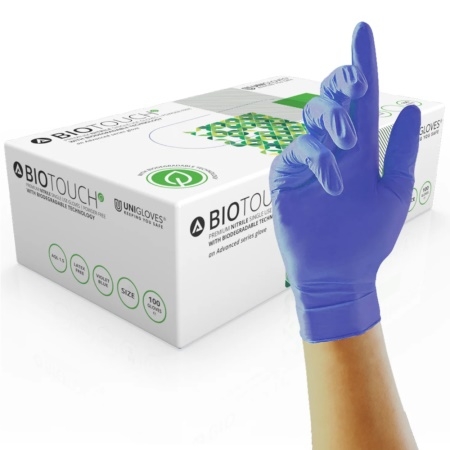


Nitrile Gloves in Healthcare: Types and Professional Fitting
Nitrile gloves have become an essential component in various industries, particularly healthcare settings, where they play a crucial role in ensuring the safety of both patients and healthcare providers. This comprehensive buyer guide explores the use of nitrile gloves, the different types available, and the proper methods for fitting them professionally.
The Importance of Nitrile Gloves in Healthcare
Nitrile gloves are primarily used to prevent cross-contamination between patients and healthcare providers. They are made from Nitrile Butadiene and similar synthetic materials for excellent performance and flexibility as well as minimise the risk of allergies, as opposed to those made from natural rubber latex which may trigger skin hypersensitivity.
These gloves provide an effective barrier against pathogens, including bacteria, viruses, fungus and their spores and other harmful organisms.
Their use is particularly critical in environments where the risk of infection is high, such as hospitals, clinics and labs.
The significance of nitrile gloves extends beyond infection control. They also protect healthcare workers from exposure to hazardous chemicals and drugs, particularly in settings like chemotherapy units.
Moreover, nitrile gloves offer superior tactile sensitivity - making them ideal for tasks that require precision and dexterity.
Types of Nitrile Gloves
Nitrile gloves come in various types, mainly for industrial use or medical grade, some of which are certified medical devices.
They usually are AQL 1.5 certified, which is a high level of quality control standard for possible defects on the product.
The main types of medical gloves are:
- Powder-Free Gloves: Undergo a chlorination process that removes residues, making them easier to don without the need for powder. These gloves are preferred in sterile environments because they reduce the risk of contamination and allergic reactions.
- Surgical Gloves: Sterile and designed for use in operating rooms. They offer a high degree of precision and tactile sensitivity, which is essential for surgical procedures.
- Examination Gloves: Non-sterile and used for routine medical examinations and procedures. They provide a reliable barrier against pathogens and are designed for single use.
- Heavy-Duty Gloves: Thicker and more durable than standard latex gloves, designed for tasks that require greater protection against punctures and chemicals.
- Biodegradable Gloves: especifically designed to to break down more rapidly after disposal, addressing the growing need for eco-friendly solutions without compromising on quality or performance.
Professional Fitting of Nitrile Gloves
Correct fitting of nitrile gloves is essential to ensure maximum protection, comfort and dexterity - especially important in sterile and clean room environments. Ill-fitting gloves can compromise safety and hinder performance, so it is crucial to select the right size and fit them correctly.
Here are the steps to professionally fit nitrile gloves:
Select the Right Size!
Nitrile gloves come in various sizes, typically ranging from extra-small to extra-large. To determine the correct size, measure the circumference of your hand around the widest part of the palm, just below the knuckles, excluding the thumb.
Refer to the manufacturer's sizing chart to select the appropriate size, usually provided on the box.
Inspect the Gloves
Before putting on the gloves, inspect them for any tears, holes, or defects. Damaged gloves should be discarded, as they may not provide adequate protection.
Wash and Dry Hands
Ensure that your hands are clean and dry before putting on the gloves. Washing your hands with soap and water removes any dirt or contaminants that could compromise the integrity of the gloves.
Dry your hands thoroughly, as moisture can make it difficult to don the gloves.
Don the First Glove
To put on the gloves, follow these steps:
- Hold the Glove by the Cuff: Pick up one glove by the cuff, ensuring that the fingers are pointing downwards. Avoid touching the outside of the glove to prevent contamination.
- Insert Your Hand: With the other hand, open the glove and insert your hand, fingers first. Gently pull the glove over your hand, making sure that each finger is correctly positioned.
- Adjust the Fit: Once the glove is on, adjust the fit by gently tugging on the cuff and smoothing out any wrinkles. The glove should fit snugly without being too tight.
Don the Second Glove
Repeat the process for the second glove. Be careful not to touch the outside of the first glove while putting on the second one. If you accidentally contaminate the glove, discard it and use a new one.
Check for Proper Fit
Once both gloves are on, check for a proper fit. The gloves should cover your wrists and fit snugly without restricting movement. There should be no excessive gaps or loose areas, as these can compromise protection and dexterity.
Removing the Gloves
To remove the gloves without contaminating your hands, follow these steps:
- Pinch the Outside of the Glove: With one hand, pinch the outside of the glove at the wrist, being careful not to touch your skin.
- Peel the Glove Off: Peel the glove away from your hand, turning it inside out as you do so. Hold the removed glove in your gloved hand.
- Remove the Second Glove: Slide a finger from your ungloved hand under the cuff of the remaining glove. Peel it off, turning it inside out and trapping the first glove inside.
- Dispose of the Gloves: Dispose of the gloves in an appropriate waste container, which may be the hazardous waste. Avoid touching the outside of the gloves with your bare hands.
Wash Hands Again
After removing the gloves, wash your hands thoroughly with soap and water to remove any potential contaminants.
Sold: Box of 100
Incl. VAT Exl. VAT