



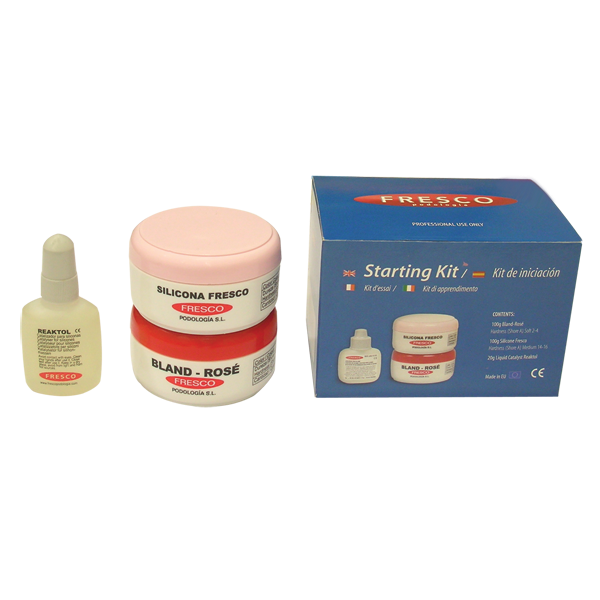
Duo 10 Podiatry Silicone Starter Kit - Fresco
Starter silicone kit designed for learning and practising basic podiatric silicone moulding techniques.
Soft, low-hardness DUO 10 silicone suitable for palliative pads, toe protectors, and simple orthoses.
Easy 1:1 mixing system with clear colour change for reliable, controlled handling.
Includes silicone components, catalyst, and instructions for practical hands-on training.

Product Description
Podiatry Silicone Starter System for Fresco Silicones
A practical introduction kit for learning, practising and refining basic silicone moulding techniques using a soft, low-hardness material.
Best for: clinicians, students, and healthcare professionals who want hands-on experience with silicone orthoses and toe protection devices.
Not ideal for: users requiring high-load, rigid, or long-term corrective orthoses.
- Designed specifically for training and skill development
- Includes all core components needed to practise safely
- Soft Shore A hardness suitable for palliative applications
What is it?
The Duo 10 Silicone Starter Kit is a professional training kit developed to help users become familiar with working with soft podiatric silicones.
It brings together two-part silicone putty components, a catalyst, and instructions in one complete package, allowing repeated practice without the need to purchase full-size materials.
This kit focuses on DUO 10 silicone, a low-hardness, high-elasticity material commonly used in palliative foot care. Once mixed, the silicone forms a pliable paste that can be shaped directly by hand into simple protective or cushioning devices.
After setting, the material retains flexibility and resilience, making it suitable for short- to medium-term wear and repeated handling during training.
The starter kit format makes it especially suitable for those who are new to silicone orthotic fabrication, as well as experienced practitioners wishing to trial DUO 10 before committing to larger quantities.
Who is it for?
This kit is intended for a broad professional audience within foot health and related disciplines. It is commonly used in educational, clinical, and training environments where understanding material behaviour is as important as the finished device.
Typical users include:
- Podiatrists and foot health practitioners developing silicone skills
- Students in podiatry or orthotic training programmes
- Clinicians introducing silicone-based palliative care into practice
- Practitioners assessing whether DUO 10 suits their patient base
Although the kit is designed for professional use, the instructions and material properties are straightforward, making it accessible to users at an early stage of learning.
What does it help with?
Duo 10 silicone is primarily used for comfort-focused, palliative applications rather than structural correction. The starter kit supports the creation of simple devices that aim to reduce discomfort caused by pressure, friction, or toe deformities.
- Toe pressure areas: may help cushion sensitive skin and redistribute localised load
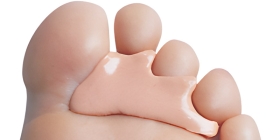
- Interdigital irritation: supports separation and protection between toes
- Prominent joints: can reduce rubbing within footwear
- Post-treatment sensitivity: offers soft protection during recovery phases
- Training scenarios: allows repeated practice without material waste
How does it work?
The DUO 10 system is based on a simple two-component silicone putty. Equal amounts of component A and component B are mixed together by hand. During mixing, the two colours combine to form a uniform light red paste, providing a clear visual cue that blending is complete.
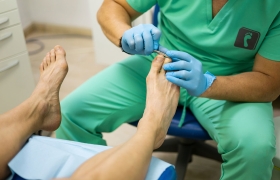
Once mixed, the silicone remains workable for a short period, allowing the user to mould it directly into the desired shape. This can be done freehand or with basic formers, depending on the training goal. The included Reaktol liquid catalyst supports consistent setting behaviour.
After curing, the silicone sets into a flexible, elastic form. It does not become rigid or brittle, allowing the finished device to adapt to movement and accommodate sensitive areas of the foot. Finished pieces can be assessed, adjusted, or remade as part of the learning process.
Expected use timeline
Understanding how soft silicone behaves over time is an important part of learning. The following timeline outlines typical expectations when using DUO 10 material.
First use
When first applied, the cured silicone feels soft and pliable. Most users notice immediate cushioning and reduced contact pressure in the targeted area. As this is a training material, initial devices may feel imperfect as technique develops.
Short-term use (first few days)
Over the first few days, the silicone maintains its elasticity and shape. Minor compression may occur in high-pressure zones, offering valuable feedback on load distribution and device design.
Ongoing use (weeks)
With continued use, DUO 10 remains flexible but may show signs of wear depending on footwear, activity level, and thickness. This natural behaviour helps users understand limitations and informs decisions about material selection for different patient needs.
Problem and solution overview
| Common problem | How the product helps |
|---|---|
| Uncertainty about working with silicone materials | Provides a manageable quantity for safe, repeated practice |
| Difficulty shaping consistent silicone devices | Soft paste allows controlled moulding and adjustment |
| Wasted material during learning | Starter kit format reduces cost and excess |
| Lack of familiarity with curing behaviour | Clear colour change and predictable setting time |
Key benefits
- Soft Shore A hardness suitable for palliative comfort applications
- Simple 1:1 mixing ratio reduces preparation errors
- High elasticity supports movement and flexibility
- Clear visual feedback during mixing
- Reusable learning material for skill development
- Compact kit size ideal for training environments
When creating and assessing silicone devices, comfort should always be described as snug, not painful. Devices should sit securely without causing tightness, skin blanching, or increased pressure in surrounding areas.
During training, it is helpful to test devices for short periods and review skin response. This reinforces correct thickness, edge finishing, and placement techniques.
Common mistakes to avoid
- Expecting permanent correction rather than comfort support
- Using excessive material that increases bulk in footwear
- Not mixing components thoroughly before shaping
- Ignoring footwear compatibility during assessment
How to use
- Prepare a clean, dry working surface and wear gloves if required.
- Measure equal amounts of DUO 10 component A and component B.
- Mix thoroughly until a uniform light red colour is achieved.
- Add Reaktol liquid catalyst as instructed and continue mixing.
- Mould the silicone into the desired shape using gentle pressure.
- Allow the material to cure fully before fitting or assessment.
- Review comfort, shape, and thickness, adjusting technique as needed.
Technical specifications
| Product type | Two-part silicone starter kit |
|---|---|
| Kit contents | 100 g DUO 10 A, 100 g DUO 10 B, 20 ml Reaktol liquid catalyst, instructions for use |
| Colour | White + red components combine to light red |
| Density | 1.25 g/cm³ |
| Hardness | Shore A 10–12 |
| Tensile strength | 1.2 N/mm² |
| Stretching | Approximately 550% |
| Split resistance | 5 N/mm |
| Aspect | Not fluid paste |
| Fit | Universal, moulded by user |
| Care | Clean with mild soap and water; air dry |
Frequently asked questions
Is this kit suitable for complete beginners?
Yes. The kit is specifically designed for learning and practising silicone techniques, with manageable quantities and clear visual mixing cues.
Can finished devices be worn daily?
Devices made from DUO 10 are intended for comfort and palliative support. Daily wear may be appropriate depending on design, footwear and activity level.
How long does the silicone take to set?
Setting time varies with mixing, temperature, and catalyst use. Full curing should be allowed before fitting or evaluation.
Is the silicone reusable?
Once cured, devices are not remelted, but they can be removed, assessed, and replaced as part of training.
Does this kit include everything needed to start?
The kit includes core materials and instructions. Basic tools such as gloves or shaping aids may be added depending on personal preference.
Can this be used alongside other orthotic products?
Yes. Silicone devices are commonly used in combination with insoles or footwear modifications.
Is this intended for corrective orthoses?
No. DUO 10 is designed for soft, comfort-focused applications rather than structural correction.
Complementary and pairing suggestions
- Prefabricated insoles for overall load distribution
- Toe sleeves or separators for combined protection
- Footwear with adequate toe box depth
- Basic podiatry tools for shaping and finishing
Content credibility
Written by: Algeos Product & Clinical Content Team
Last reviewed: February 2026
Purpose: This content is provided to support informed purchasing and product understanding. It is not intended as diagnosis or medical advice.
Frequently bought together
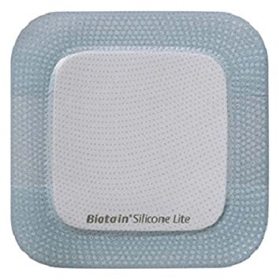
Sold: Pack of 10
Incl. VAT Exl. VAT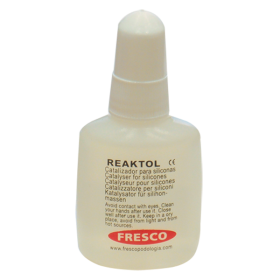
Sold: 20ml Bottle
Incl. VAT Exl. VAT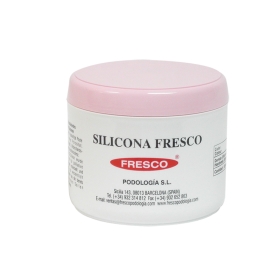
Sold: 500g
Incl. VAT Exl. VAT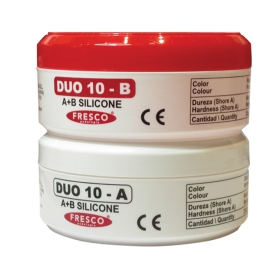
Sold: Each
Incl. VAT Exl. VATSold: Each
Incl. VAT Exl. VAT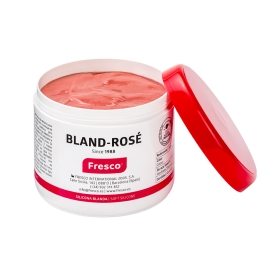
Sold: 500g Pot
Incl. VAT Exl. VATSold: 500g Pot
Incl. VAT Exl. VAT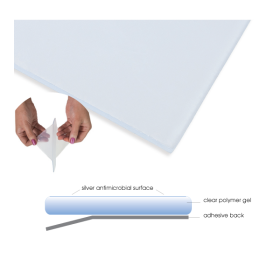
Sold: Per Sheet
Incl. VAT Exl. VAT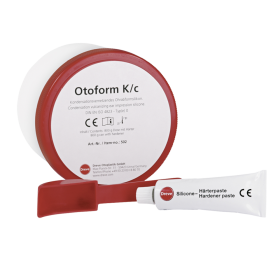
Sold: 800g
Incl. VAT Exl. VAT
Sold: Each
Incl. VAT Exl. VAT
Sold: each
Incl. VAT Exl. VAT
Sold: Each - Various Types
Incl. VAT Exl. VAT
Sold: Kit
Incl. VAT Exl. VAT